
Margaret Hamilton, a Pioneering Software Engineer Who Made the First Human Moon Landing Possible, Dies at 90
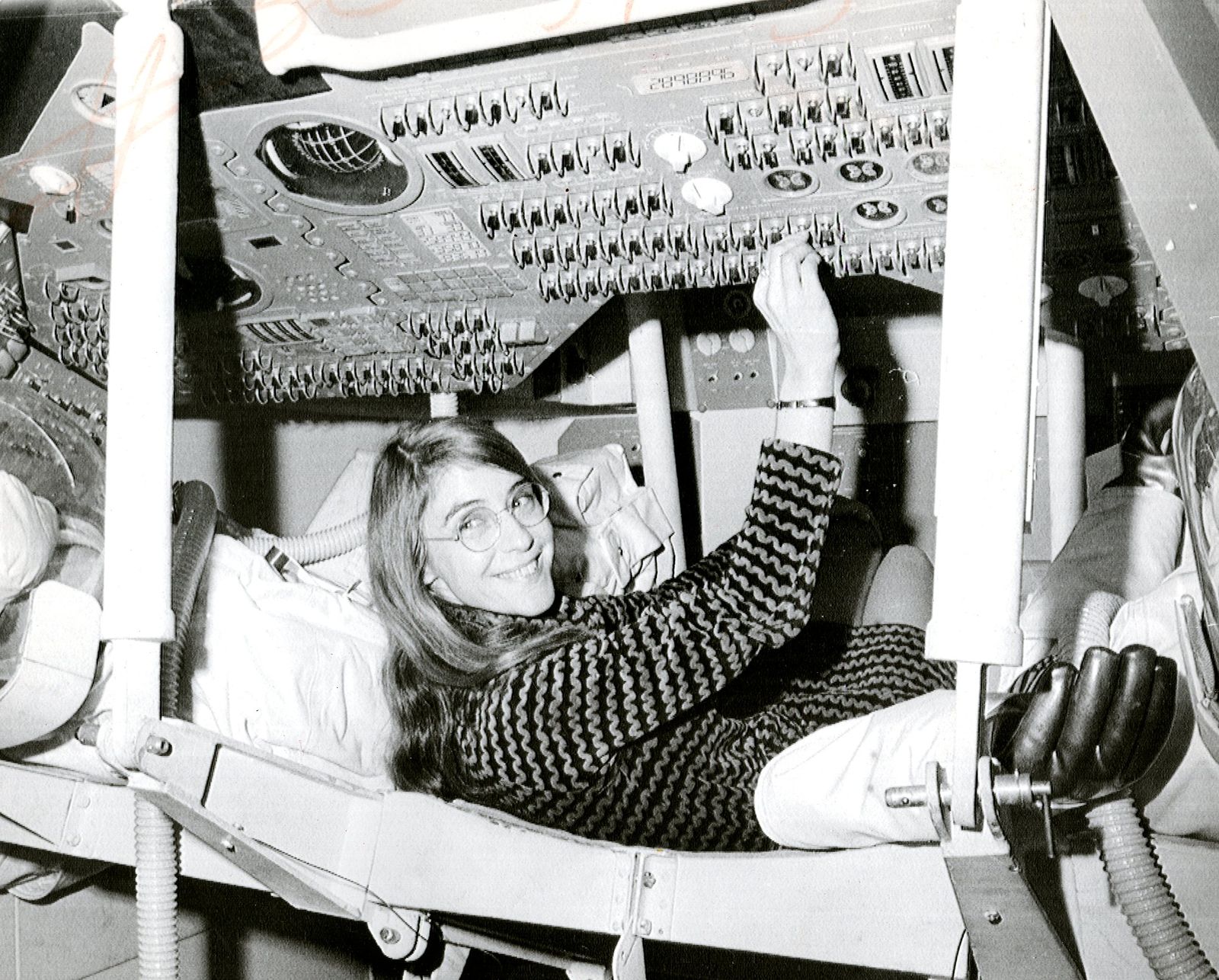
Margaret Hamilton, the software pioneer whose work became inseparable from the success of the first crewed moon landing, has died at 90. Her death on September 30 closes a remarkable career that helped define how complex computer programs are designed for situations in which failure is not an option. Hamilton’s name is most closely associated with NASA’s Apollo program, yet her influence extended beyond one historic mission into the language, methods and ambitions of modern software development.
Hamilton helped establish software work as an engineering discipline. She is widely credited with bringing the expression “software engineer” into broader use, a choice that reflected her view that code required rigor, planning and accountability. That framing mattered because digital instructions were becoming central to complex machines, including spacecraft, and because software had to be treated as a core part of a mission rather than an auxiliary task.
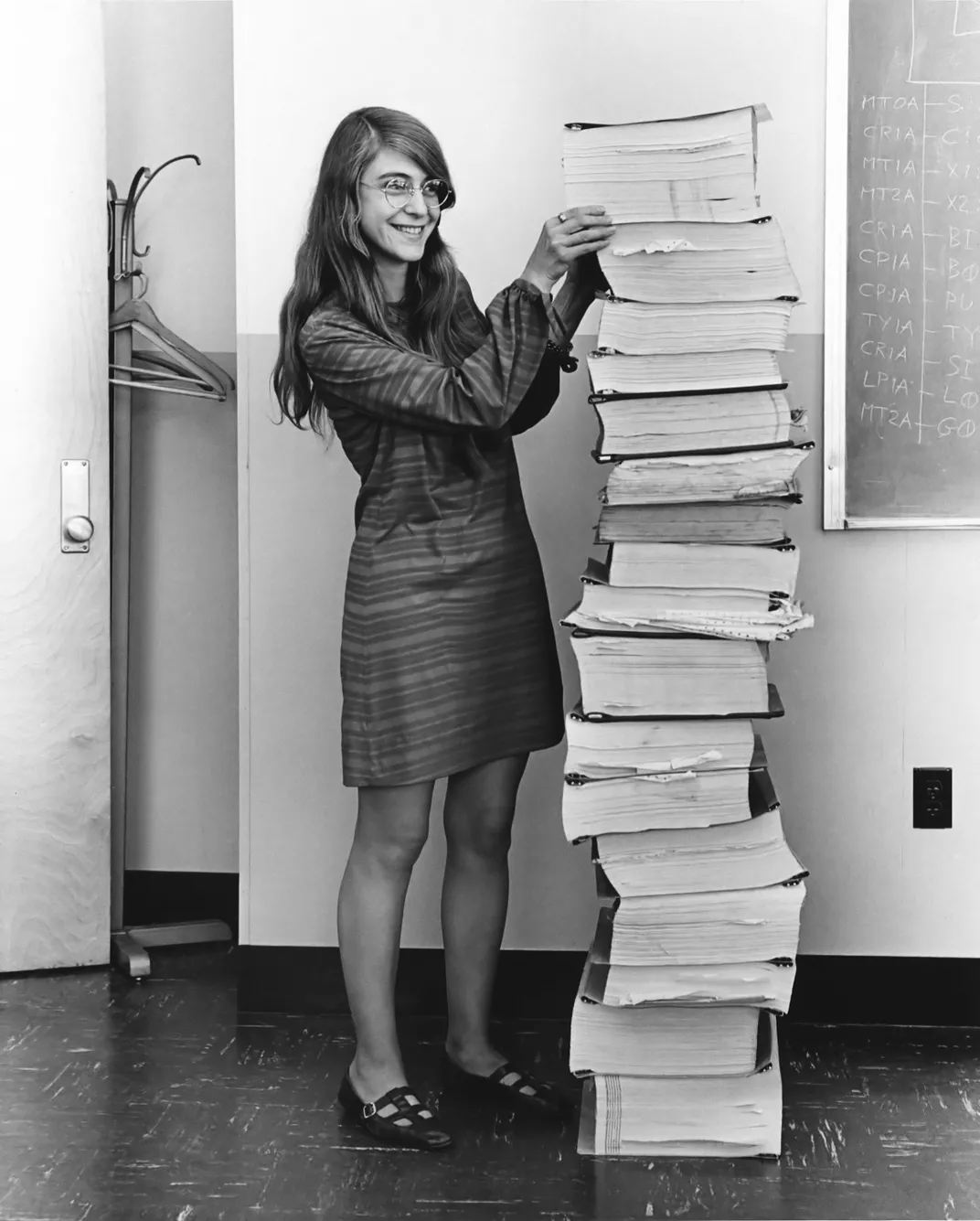
Hamilton led work on programs for NASA’s Apollo Command Module, the vehicle used in the lunar missions. The task was not simply to make a computer follow a preset sequence. The software had to anticipate unexpected conditions, recognize trouble and help a mission continue when circumstances changed. Her approach emphasized preparing for possible errors rather than treating them as afterthoughts once a problem had already appeared.
That focus became especially important during Apollo 11, the mission that brought the first humans to the moon. A computer issue threatened to complicate the landing, but the software developed under Hamilton’s direction helped the mission proceed. The episode became the best-known illustration of her contribution: careful programming could provide useful options at a moment when time, attention and computing capacity were all under intense pressure.
The lunar landing, however, is only one measure of her legacy. Andrew Meade McGee, a computing curator at the Smithsonian’s National Air and Space Museum, said Hamilton’s work provided a logical foundation for essential systems that support infrastructure and the present-day aerospace sector. His assessment places her achievement in a longer story: engineering principles developed for high-stakes missions did not remain confined to a single era of space exploration.
Hamilton also left a mark as an entrepreneur, pairing technical problem-solving with efforts that helped create a new branch of computer science and engineering. Her career showed that early software specialists often needed to explain the value of their work as well as perform it. Programs could be invisible to the public, while their consequences were immediate: an unanticipated condition could affect a mission’s ability to respond effectively.
Apollo 11 offers a vivid shorthand for Hamilton’s importance, but it can also narrow the story if her work is presented only as one dramatic rescue. Her significance also rests on the foresight built into the programs and on the broader standards for reliability that her work represented. The mission’s success made those principles visible, while later systems continued to rely on the kind of logical preparation she helped advance.
Her achievements were recognized in later years with the Presidential Medal of Freedom and induction into the National Aviation Hall of Fame. Those honors reflect a wider understanding of who shaped the age of spaceflight: not only the people associated with launches and landings, but also those who developed the software needed for complex machines to manage the unexpected. Hamilton’s death is likely to renew attention to that less visible layer of engineering and to its continuing role in modern aerospace systems.

Source: Smithsonian Magazine
Related articles

Immerse Yourself in the Cosmos at Frank Lloyd Wright's Only Planetarium, Recently Restored to Its Former Glory in Florida
Completed in 1958, the domed building is located on the campus of Florida Southern College, home to 13 Wright-designed buildings, the world's largest single-site collection of the architect's work

Play Tractor online with friends — free
Real-time Sheng Ji / Tractor for 3–5 players, with complete bidding and trump rules across web, iOS and Android.
Play bidfive →
A Team of Astronomers Thinks They Have Identified the Exact Night Sky That Inspired Vincent van Gogh's 'Starry Night.' Not Everyone Is Convinced
Very few night skies seen from the south of France during the summer of 1889 would match the scene on van Gogh's canvas. A new study argues that it could have been July 22

'Pretty Boy' Floyd, One of the Most Notorious Outlaws of the Great Depression, Was Shot and Killed in an FBI Raid 92 Years Ago
Some Americans lauded the 30-year-old bank robber as a Robin Hood-esque folk hero. Others castigated him as a violent criminal whose misdeeds were emblematic of the troubled era

GTA 6 guides, updates and practical reference
Explore a Chinese GTA 6 guide library covering the release, map, characters, missions, vehicles and weapons.
Browse guides →
Create AI images with your own API key
aixipi runs on desktop/web, uses your own model API balance, and avoids subscription lock-in.
Try aixipi →