
Montana Built a $107 Million Museum. Its Smallest Room Says a Lot About the Thought That Went Into Designing the Space
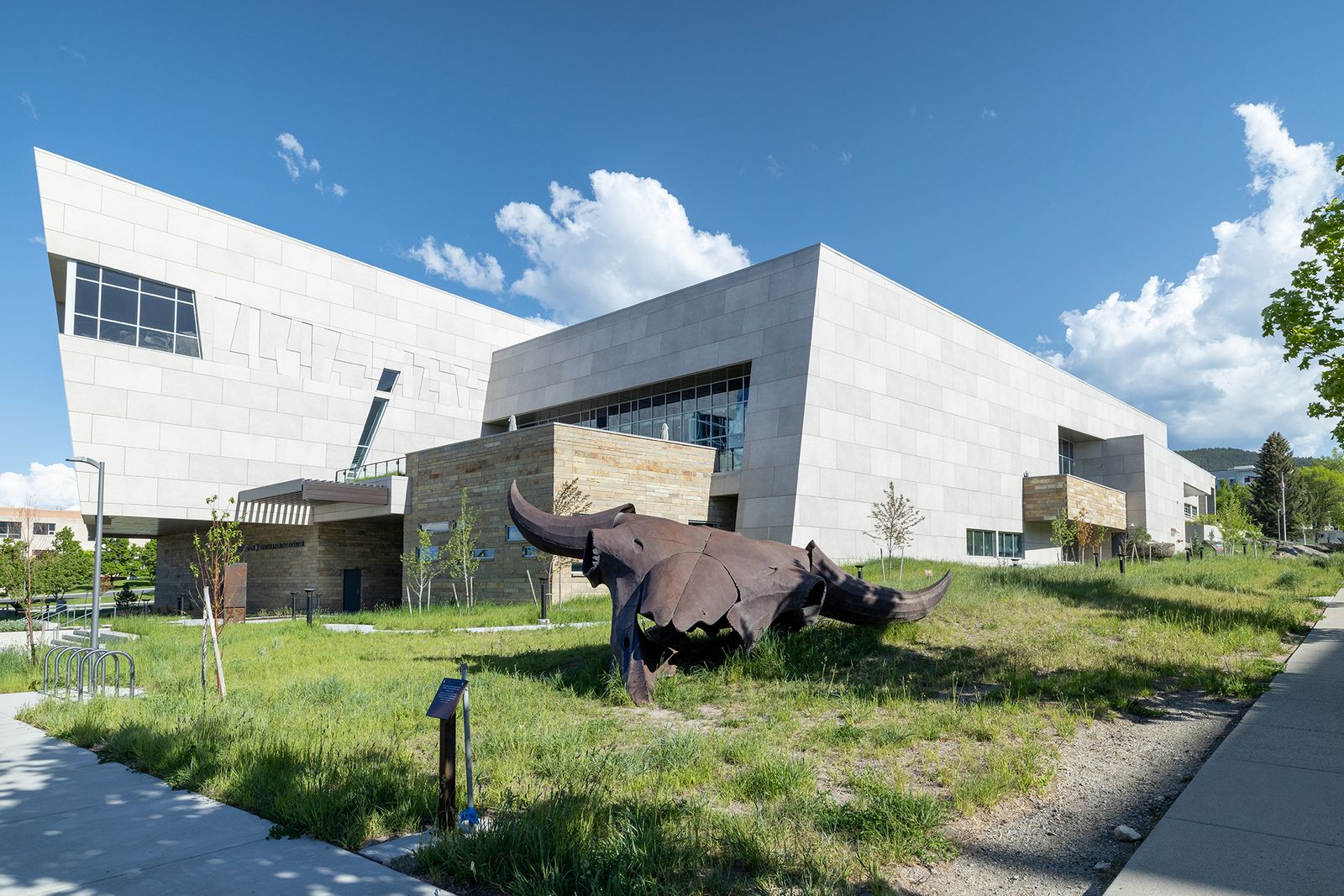
The Montana Heritage Center in Helena has opened a newly expanded home for the state’s history, culture, art and people, but one of its most significant additions is a small smudge room. The publicly accessible space is intended to help visitors who are not Native understand why some Indigenous traditions require a dedicated place for burning cleansing materials. Its presence makes a practical accommodation part of the museum experience rather than leaving that practice outside the building.
Smudging is used by many Indigenous cultures as a cleansing practice. At the Heritage Center, the room gives that practice a defined setting within an institution that displays historical and cultural material. The arrangement also places an explanatory responsibility on the museum: visitors unfamiliar with the tradition are invited to understand the purpose of the space, rather than encounter it without context or treat it as a generic museum feature.
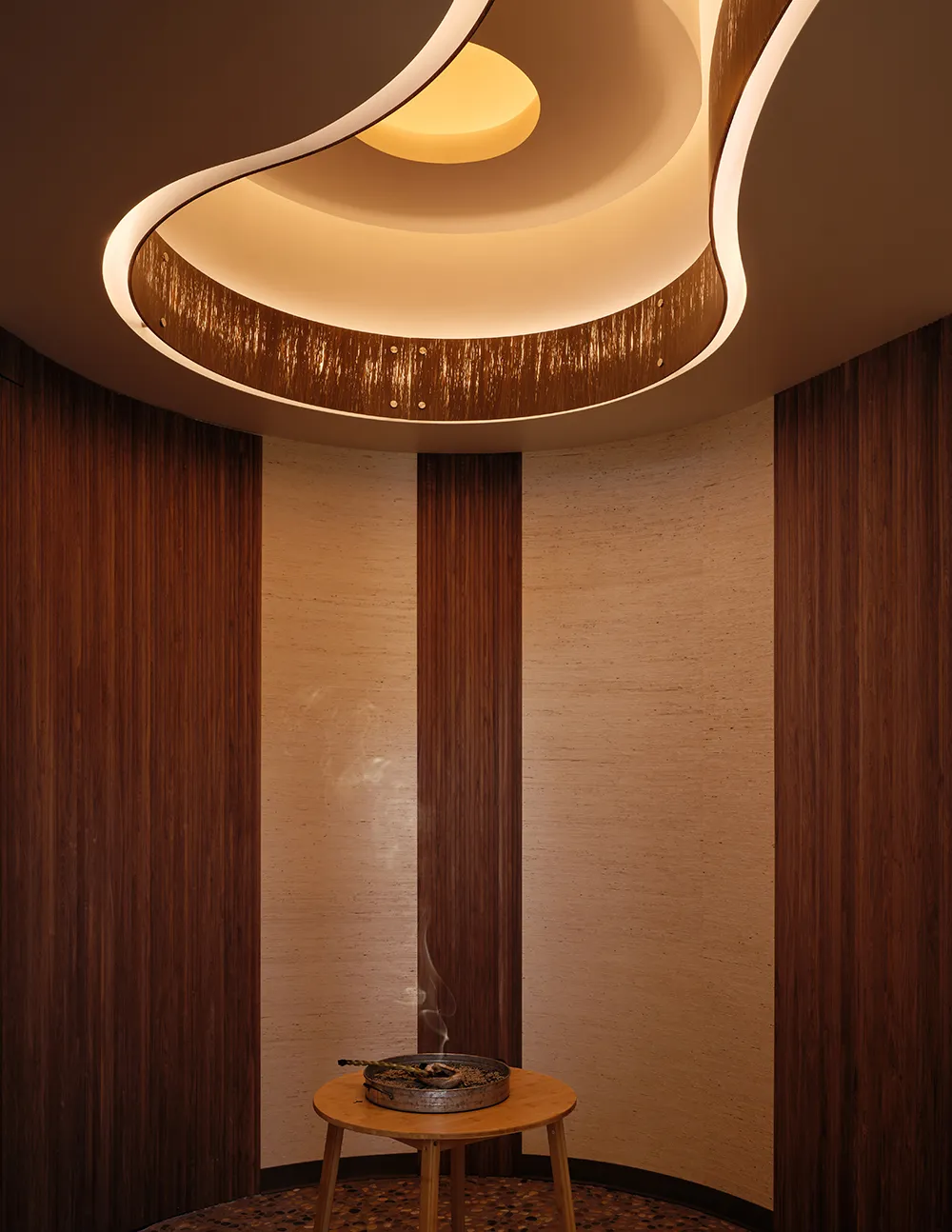
The practice can be especially important when visitors leave a collection, not only when they enter one. Sanders, who explained the room’s purpose, said objects in museum spaces once belonged to people who are no longer living and may still carry their energy. In that understanding, such energy can accompany someone as they depart. Smudging at the exit is intended to clear it away and provide protection for the person leaving.
The room is unusual enough to prompt a broader question about museum design. Institutions with substantial Indigenous holdings are not necessarily equipped with a dedicated place for smudging, even when they seek to present Native history and culture. The issue is therefore not simply whether a museum recognizes a tradition in its exhibitions. It is also whether the building itself can support practices connected to the objects and communities represented inside it. A gallery label can describe an object or a belief, but it cannot substitute for a space that permits a living practice to take place under appropriate conditions.
A major obstacle has been cost. Museums have often raised concerns about smoke and ventilation when smudging is proposed. Addressing those concerns can require specialized air-cleaning equipment, adding an expensive infrastructure need to any plan for such a room. That practical barrier helps explain why the idea has not been commonplace, despite the presence of Indigenous collections in many museums. The problem is rooted in building systems as much as in curatorial intent: a museum may need to make room for equipment as well as for the practice itself.
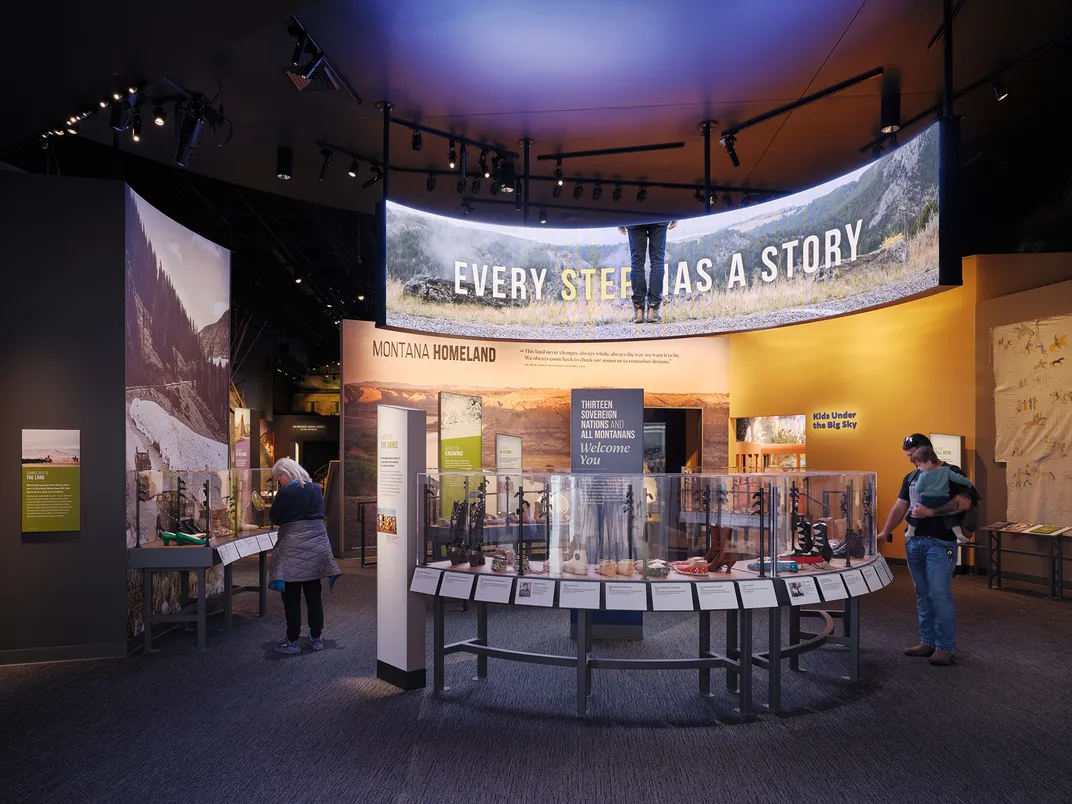
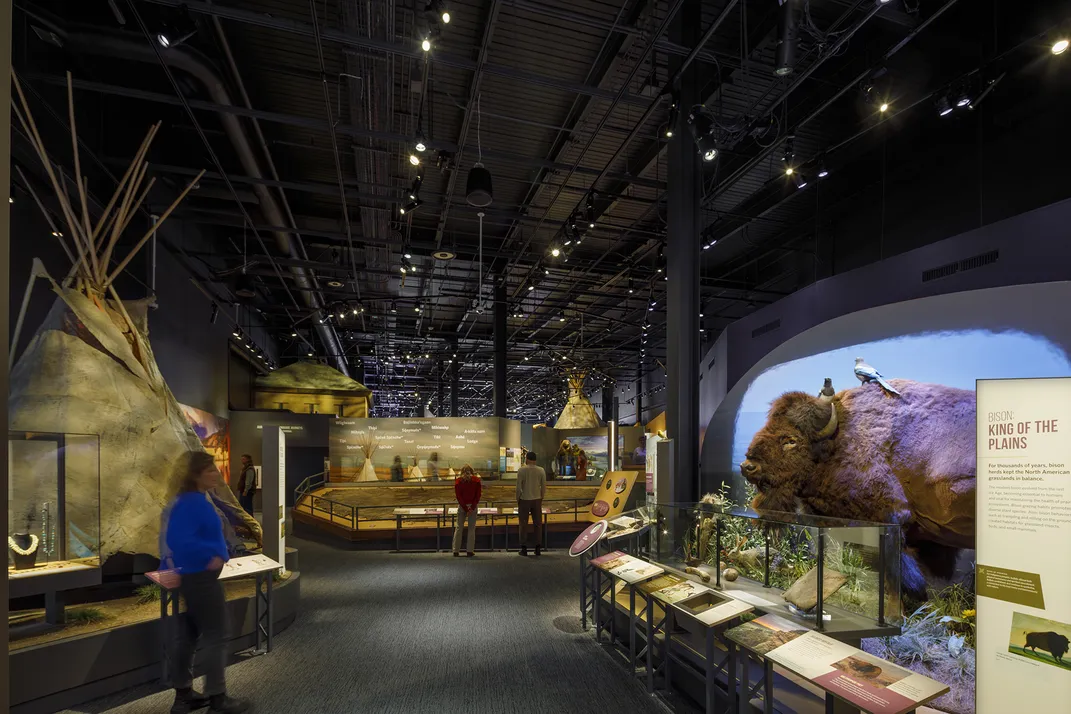
Montana found the money during a $107 million overhaul of the Heritage Center. Before the project, the building covered 95,000 square feet; the work added another 70,000 square feet. The site is home to the Montana Historical Society, a territorial agency established in 1865, as well as displays focused on the state’s past, cultural life, residents and art. The enlarged center began welcoming the public in December 2025.
Against the scale of that construction program, the smudge room illustrates how a relatively compact part of a building can depend on large decisions about budgets and systems. The expansion provided an opportunity to include ventilation and air treatment that could accommodate the practice. It also tied an operational choice—how air moves through the museum—to a cultural consideration involving visitors, collections and the energy some Native people associate with those collections. In this case, the smallest room is inseparable from the much larger renovation that made it feasible.
The new room does not by itself resolve the wider challenges museums face in serving Indigenous communities and caring for Indigenous material. Its value will depend on how it is explained, used and sustained over time. Still, the Heritage Center offers a concrete example of what becomes possible when a renovation budget includes both more gallery space and the less visible equipment needed for a designated smudging area. For other institutions, the key question may be whether future upgrades treat ventilation as an early design requirement rather than an afterthought that makes accommodation harder to afford.
Source: Smithsonian Magazine
Related articles
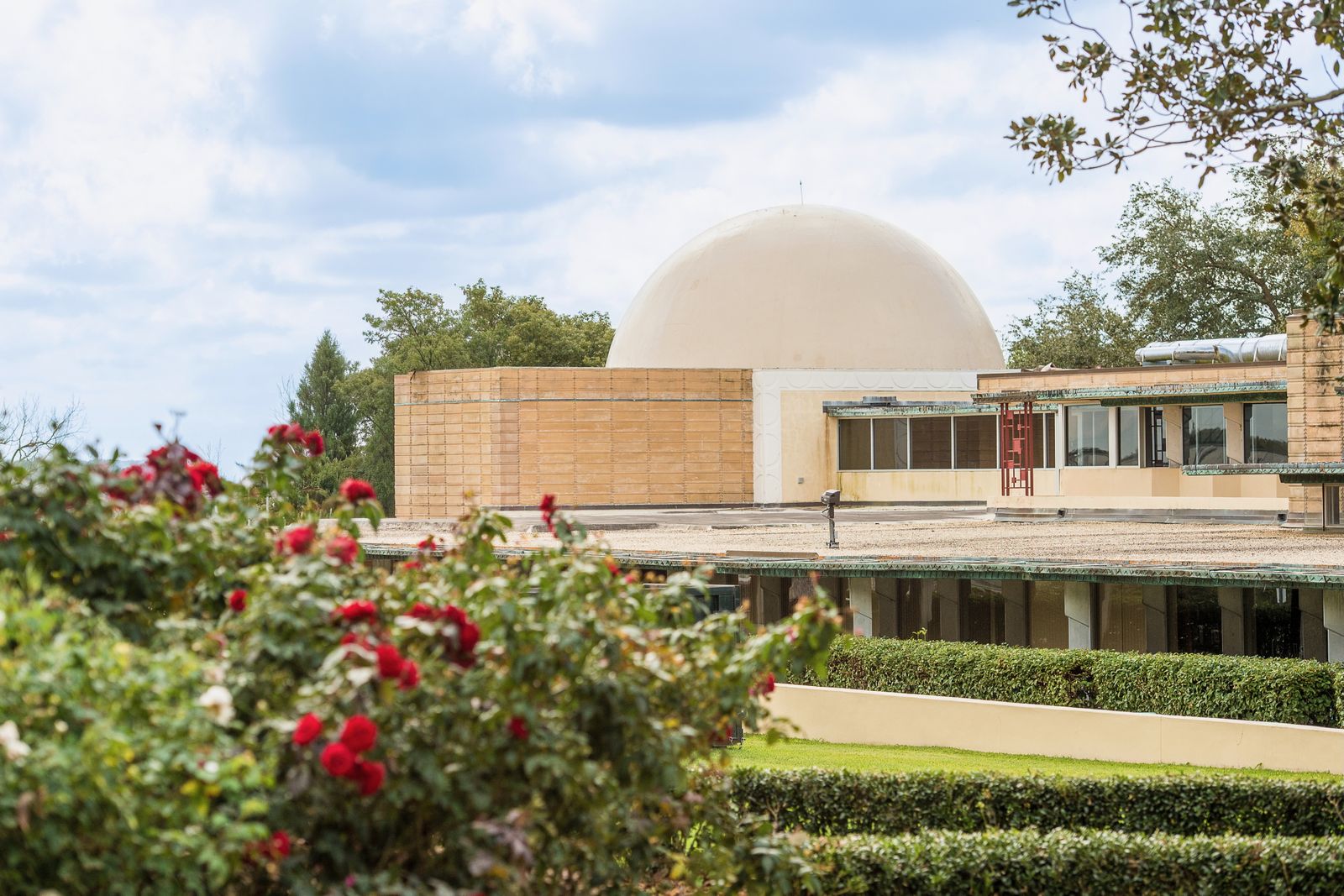
Immerse Yourself in the Cosmos at Frank Lloyd Wright's Only Planetarium, Recently Restored to Its Former Glory in Florida
Completed in 1958, the domed building is located on the campus of Florida Southern College, home to 13 Wright-designed buildings, the world's largest single-site collection of the architect's work

Play Tractor online with friends — free
Real-time Sheng Ji / Tractor for 3–5 players, with complete bidding and trump rules across web, iOS and Android.
Play bidfive →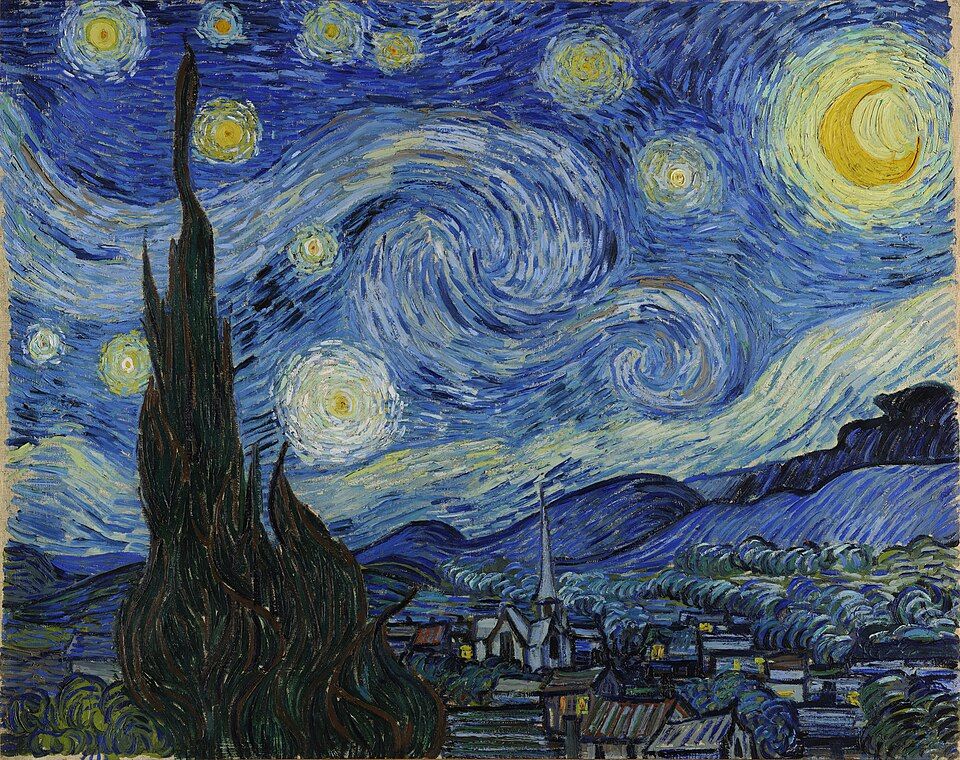
A Team of Astronomers Thinks They Have Identified the Exact Night Sky That Inspired Vincent van Gogh's 'Starry Night.' Not Everyone Is Convinced
Very few night skies seen from the south of France during the summer of 1889 would match the scene on van Gogh's canvas. A new study argues that it could have been July 22

'Pretty Boy' Floyd, One of the Most Notorious Outlaws of the Great Depression, Was Shot and Killed in an FBI Raid 92 Years Ago
Some Americans lauded the 30-year-old bank robber as a Robin Hood-esque folk hero. Others castigated him as a violent criminal whose misdeeds were emblematic of the troubled era

GTA 6 guides, updates and practical reference
Explore a Chinese GTA 6 guide library covering the release, map, characters, missions, vehicles and weapons.
Browse guides →
Create AI images with your own API key
aixipi runs on desktop/web, uses your own model API balance, and avoids subscription lock-in.
Try aixipi →