
Multiple U.S. military aircraft damaged in Iranian strikes on base in Jordan, sources say
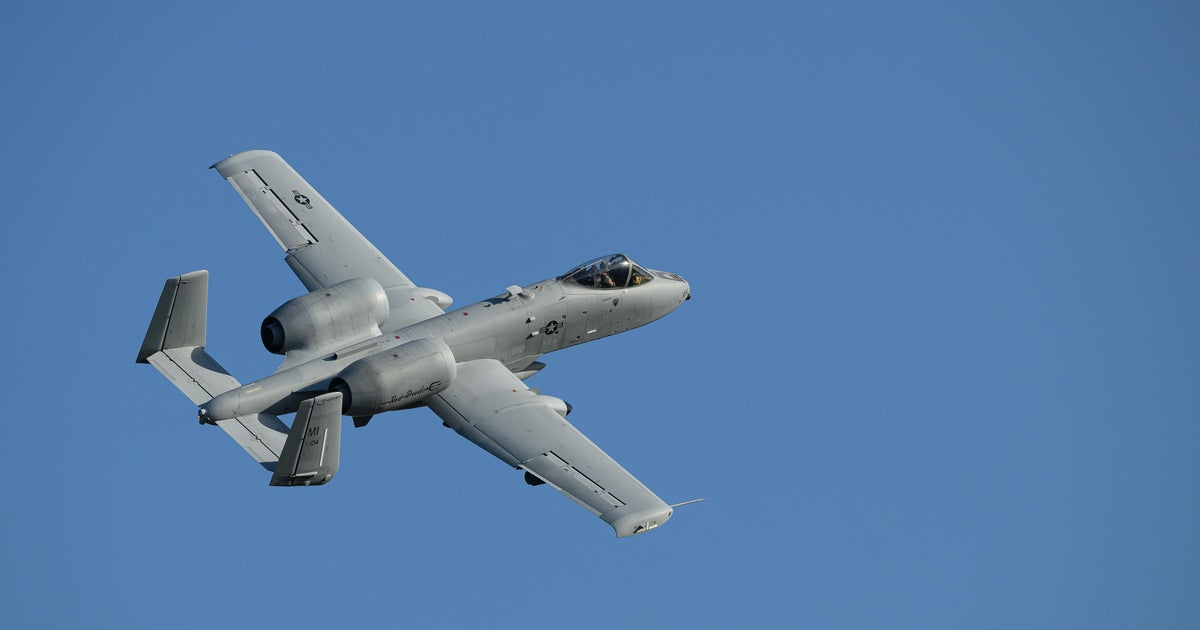
Several U.S. military aircraft were damaged during Iranian strikes that hit Muwaffaq Salti Air Base in Jordan overnight from Tuesday into Wednesday, according to people familiar with the incident. The accounts point to a direct effect on aircraft operating from the installation, rather than a report of a threat that was intercepted or confined to an area away from the flight line. The reported damage puts a focus on the base’s ability to sustain operations after the attack and on the condition of the aircraft involved.
Among the planes hit was an A-10 Thunderbolt II, the U.S. attack aircraft widely called the Warthog, the people said. They said the strike tore off one of the aircraft’s wings. The information provided did not describe the plane’s broader condition, whether it could be repaired, or where it had been assigned before the strike.
The same people said about eight F-15 fighter jets suffered comparatively limited damage. Those aircraft were returned to service after the incident, according to their account. That distinction matters: the reports describe damage to a group of combat aircraft, but do not portray every affected plane as permanently disabled. They also suggest that crews were able to assess and restore at least part of the force quickly enough for the F-15s to resume use.
The strikes occurred during the local overnight period spanning Tuesday and Wednesday, placing the reported damage in the immediate aftermath of an attack rather than in a later inspection or maintenance finding. Muwaffaq Salti Air Base is in Jordan, and the account concerns U.S. aircraft there. Beyond that basic sequence, the available details leave important questions unanswered, including the number of strikes, the weapons used, the precise location of the aircraft when they were hit, and whether additional equipment or facilities were affected.
People with direct knowledge supplied the details but requested anonymity because they were not cleared to discuss the matter publicly. That limits the amount of information that can be independently established from their descriptions alone. It also means the accounts should be read as an early picture of damage at the base, not as a complete official inventory. No public explanation is included in the reported information about the operational decisions that led to the aircraft being there or the protective measures in place at the time.
The reported mix of damage underscores a practical difference between aircraft that can be inspected, repaired and flown again and an aircraft that has suffered a major structural hit. The F-15s’ return to service suggests their damage was judged manageable, while the A-10’s missing wing places it in a separate category of loss or repair challenge. Still, the accounts do not state how long any inspections took, what work was performed on the F-15s, or whether their missions or availability changed after being restored.
For U.S. military planners, the episode raises near-term questions about readiness at a location where aircraft have reportedly come under attack. Aircraft damage can affect scheduling, maintenance capacity and the number of planes available for assigned tasks even when some jets are rapidly returned to service. But the sources did not provide figures for the base’s full aircraft complement, its remaining capacity, or any changes in its mission after the strikes. Those omissions make it difficult to measure the wider operational effect.
The incident also illustrates the gap that can emerge between an initial damage report and a fuller accounting. Early accounts may identify visually obvious losses and aircraft that can quickly fly again, while later assessments can determine whether less visible systems, support equipment or facilities need attention. In this case, the people familiar with the matter identified the damaged A-10 and the roughly eight F-15s, but did not describe a final damage assessment. Any conclusion about the overall scale of the strike would therefore remain provisional.
What comes next will depend on whether further official information clarifies the condition of the A-10, the repairs made to the F-15s and the broader status of operations at Muwaffaq Salti Air Base. The accounts establish that Iranian strikes caused damage to multiple U.S. aircraft and that at least the F-15s were placed back into service. They do not establish casualties, a broader tally of damage, or a final assessment of the attack’s consequences. Those distinctions will be central as more information emerges.
Source: CBS World
Related articles
Zelenskyy accuses Russia of using cluster warheads in deadly strikes
Russia launched the strikes on Ukraine less than a day after negotiations to end the war, which also involved the United States, ended in St. Petersburg.

Create AI images with your own API key
aixipi runs on desktop/web, uses your own model API balance, and avoids subscription lock-in.
Try aixipi →
At least 16 dead when powerful 7.0 magnitude earthquake strikes Tibet
It was the biggest earthquake in the region in the last five years, China

See how Big Tech is transforming Spain's landscape
A drought-stricken region of northeast Spain has become a focus for American companies searching for locations to place their data centers.