
Netanyahu calls claim he was warned of Oct. 7 attack "malicious libel"
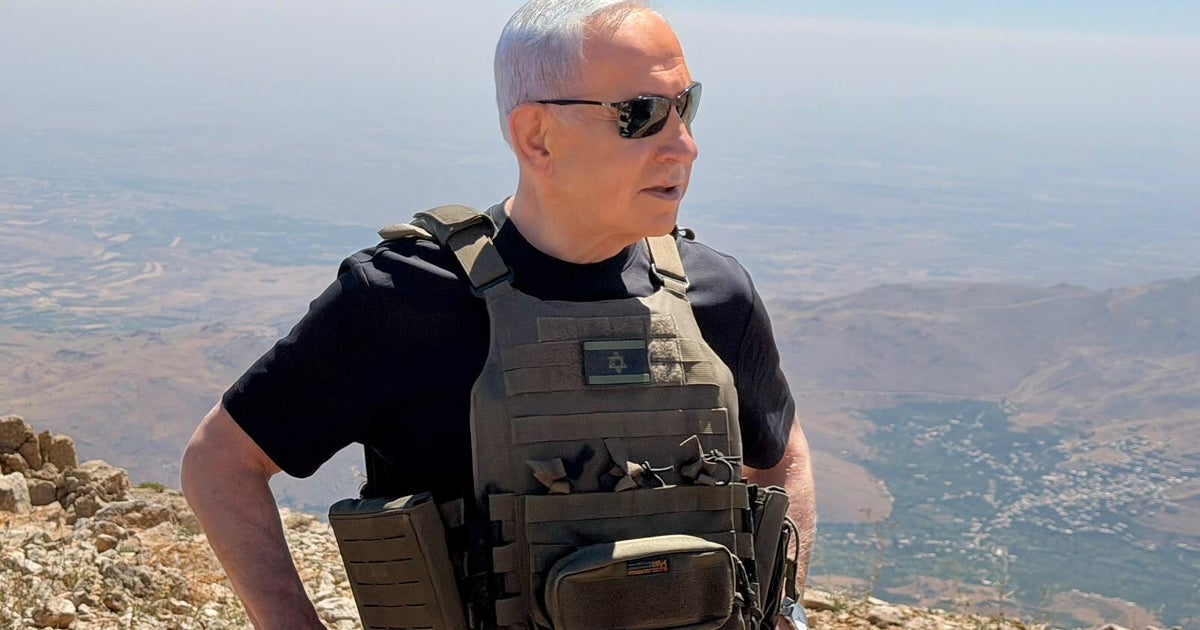
Prime Minister Benjamin Netanyahu has rejected an allegation that he received advance word of Hamas’s October 7, 2023 assault, describing the accusation as “malicious libel.” The dispute has injected a new and politically charged question into Israel’s approaching parliamentary election: whether a warning about an imminent major attack reached the country’s leader shortly before the assault that transformed the region.
The claim was reported Monday by Haaretz, which said the president of the United Arab Emirates spoke with Netanyahu by telephone only days before October 7. According to the newspaper, the Emirati leader relayed that Hamas figures in Gaza were preparing a large-scale operation. Haaretz further alleged that Netanyahu did not convey that information to Israel’s security leadership.
Netanyahu’s response puts a flat denial at the center of the account, rather than a dispute over how the purported message was handled. The allegation remains a report by Haaretz, and the central issue is therefore not only whether such a call occurred, but also whether any warning in it was specific enough to signal the attack that followed and whether it was shared with the institutions responsible for national security.
The October 7 assault caught Israel off guard. Hamas, which the United States designates as a terrorist organization, crossed from Gaza into Israel that day. More than 1,200 people were killed, and hundreds of others were abducted. The scale of the violence made the events an enduring national trauma and created lasting questions about intelligence, preparedness and political responsibility.
The attack led to the war in Gaza and became a defining point in a conflict that has spread far beyond the immediate battlefield. Its repercussions have been felt across the Middle East, where the war’s consequences have sharpened already intense regional strains. Within Israel, the failure to prevent the assault has continued to shape public debate long after the first emergency response.
That debate is now intersecting with electoral politics. Israelis are due to cast ballots next month in a close legislative contest whose outcome will decide which political forces form the next government. In that setting, a report suggesting that a possible warning was received near the time of the attack carries particular weight, because it touches directly on the leadership record voters are still assessing.
The account also centers attention on the distinction between receiving information and acting on it. Security warnings can vary in detail, reliability and urgency, and the available description of the reported call does not establish those elements. Netanyahu’s categorical characterization of the allegation as libel underscores the gap between the newspaper’s account and his position. The competing versions leave open key questions about the alleged warning’s content, its meaning and the path it may or may not have taken inside government.
For critics of the government, questions surrounding October 7 have remained tied to the issue of accountability for a disaster that killed so many people and left hundreds taken captive. For Netanyahu and his supporters, the new allegation is also a challenge to a leader facing a competitive election. The political argument is likely to remain intertwined with unresolved public demands to understand how the country was surprised.
What comes next will be watched closely in both political and security circles. Any additional detail about the reported UAE contact, its timing or the alleged handling of its contents could affect the argument. Until then, the episode illustrates how the events of October 7 continue to influence Israel’s choices as voters prepare to determine the country’s next government.
Source: CBS World
Related articles

Zelenskyy accuses Russia of using cluster warheads in deadly strikes
Russia launched the strikes on Ukraine less than a day after negotiations to end the war, which also involved the United States, ended in St. Petersburg.

Create AI images with your own API key
aixipi runs on desktop/web, uses your own model API balance, and avoids subscription lock-in.
Try aixipi →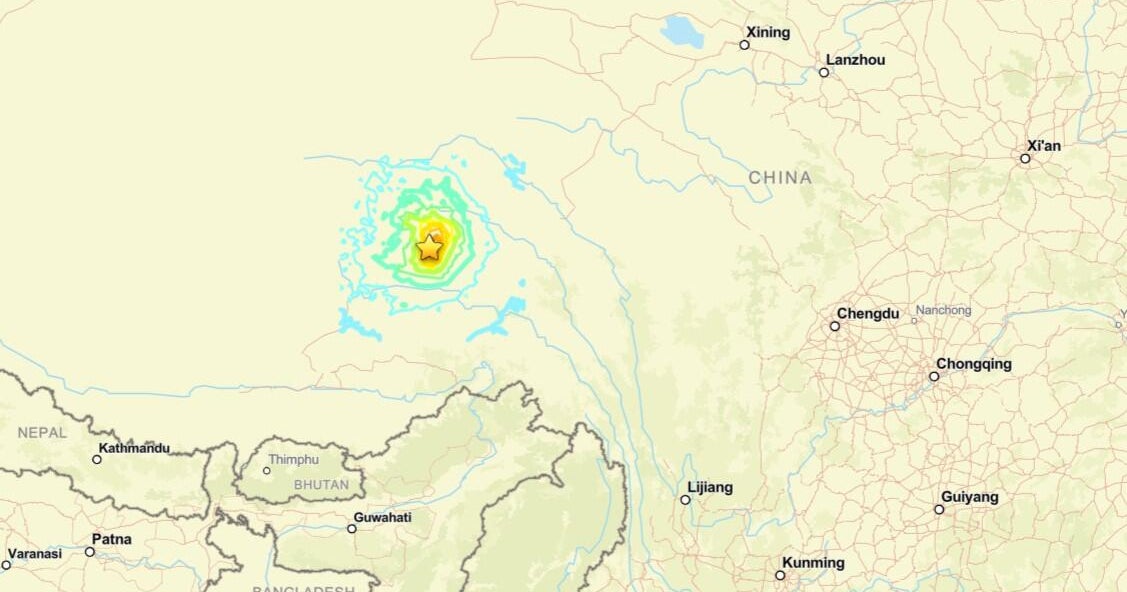
At least 16 dead when powerful 7.0 magnitude earthquake strikes Tibet
It was the biggest earthquake in the region in the last five years, China

See how Big Tech is transforming Spain's landscape
A drought-stricken region of northeast Spain has become a focus for American companies searching for locations to place their data centers.