
New Zealand Welcomes a Record 90 Kakapo Chicks, Helping the World's Chunkiest Parrot Species Rebound From the Brink of Extinction
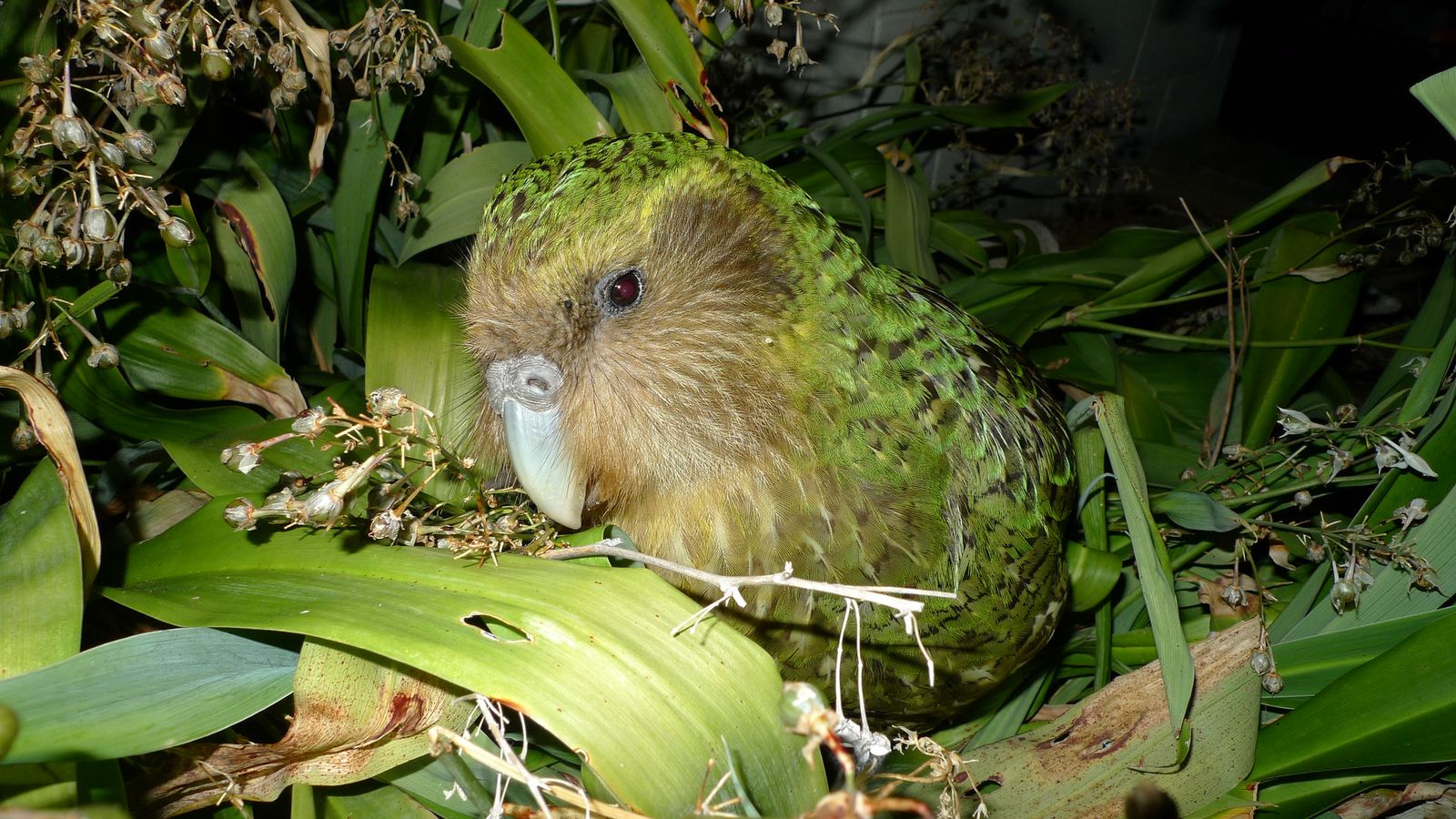
New Zealand’s kākāpō recovery effort has recorded its strongest breeding season yet, with 90 chicks joining one of the world’s rarest parrot populations. The addition brings the known total to 325 birds, a striking change from 1995, when only 51 kākāpō remained. The species is still classified as critically endangered, but the latest count gives conservation workers a far larger population base than existed three decades ago.
The 90-chick result is especially notable because it compresses an achievement that once took much longer. Deidre Vercoe, a conservationist at New Zealand’s Department of Conservation, said on Radio New Zealand’s Kākāpō Files podcast that reaching 90 chicks took roughly 16 years during the recovery program’s earlier period. Producing the same number within a single breeding season marks a major shift in the programme’s recent output.
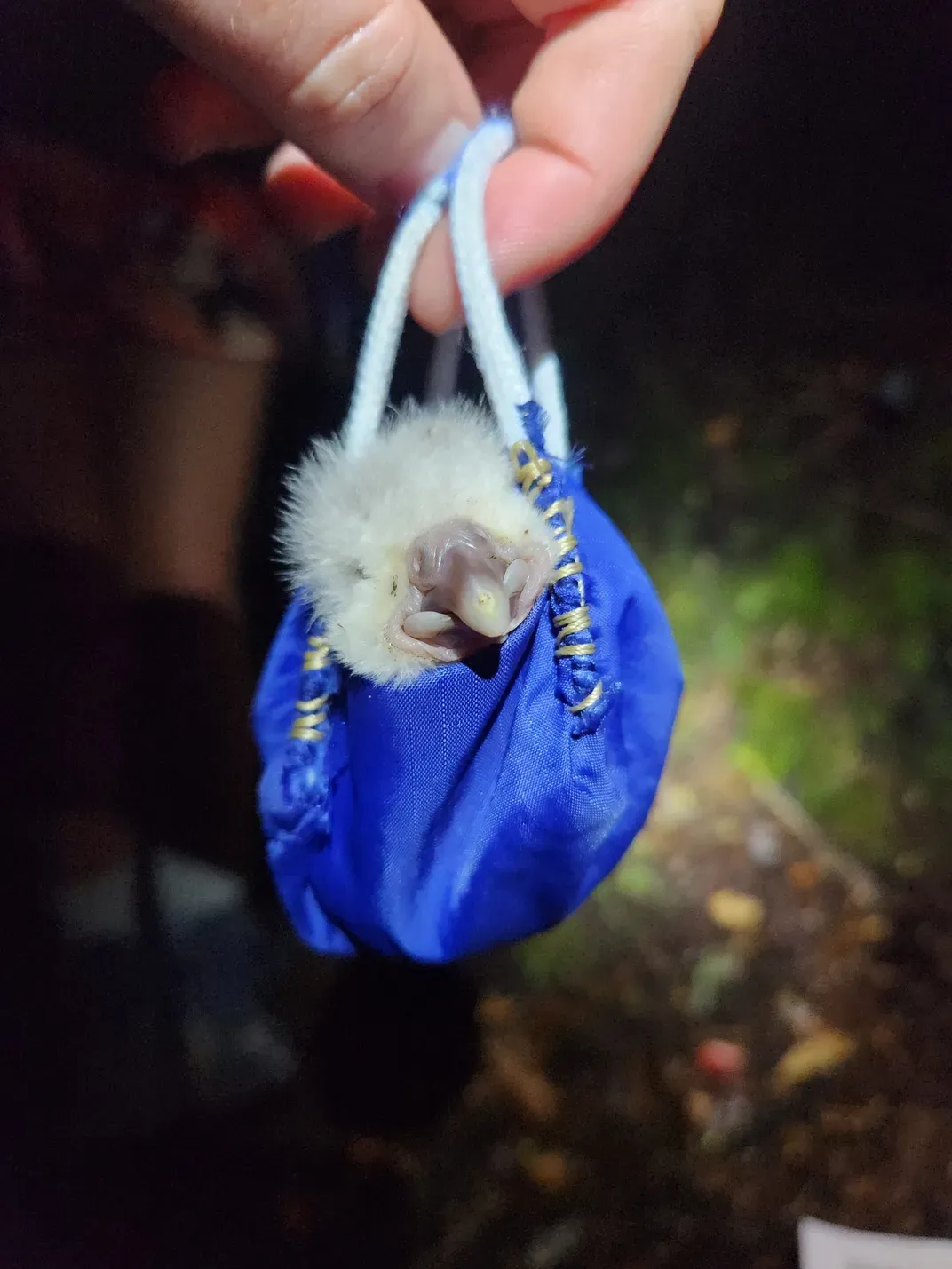
That comparison does not mean the final annual figure can be treated as settled the moment eggs hatch. Kākāpō chick totals are formally confirmed only after the youngest bird from the season reaches 150 days of age. That threshold is used as a sign that the chick has reached independence, so the process places the headline number in a longer cycle of observation rather than treating every hatch as an immediate permanent gain.
The kākāpō is found nowhere outside New Zealand. It is an unusually distinctive parrot: it can weigh as much as nine pounds, making it the heaviest parrot species on Earth. Its size has earned it an image as a particularly round, heavy-bodied bird, but its physical traits also separate it sharply from the airborne parrots that many people expect to see.
Unlike most members of its bird family, the kākāpō does not fly. Some of the lighter females can cover limited distances by gliding, but flight is not the species’ ordinary way of moving through its habitat. Instead, the birds use strong legs and robust claws, climbing into trees and travelling over the ground with a waddling gait.
Those traits make the recovery news about more than a seasonal record. A flightless, heavy parrot restricted to a single country has little margin for population losses when its overall numbers are small. Every chick therefore carries significance beyond a simple addition to a tally. Moving from 51 surviving birds to 325 does not remove its endangered status, but it changes the scale at which each breeding year can influence the species’ future.
The new total also puts the recovery programme’s history in perspective. In its early years, the accumulation of 90 chicks was itself a long-term undertaking. This season’s result is not simply a numerical milestone; it shows how much faster the population can grow when a large breeding outcome is achieved at once. For a species that had been reduced to a few dozen individuals, that difference matters because a single cohort now accounts for a visible part of the entire population.
There is nevertheless an important caution in the celebration. Critical endangerment describes a continuing vulnerability, not a problem solved by one successful season. The 150-day confirmation rule reflects that caution: conservationists wait until the last chick has reached the designated stage of independence before finalising the year’s count. The next measure to watch is therefore not only how many hatchlings are reported, but how the confirmed cohort contributes to the population total.
For now, the record season offers concrete evidence of a rebound that would have seemed remote when the population stood at 51 in 1995. New Zealand’s kākāpō remains an exceptional bird—native only to the country, too heavy to fly, and still critically endangered—but it is no longer represented by the tiny number of survivors recorded three decades ago. The arrival of 90 chicks is a substantial step in a recovery that remains unfinished.
Source: Smithsonian Magazine
Related articles
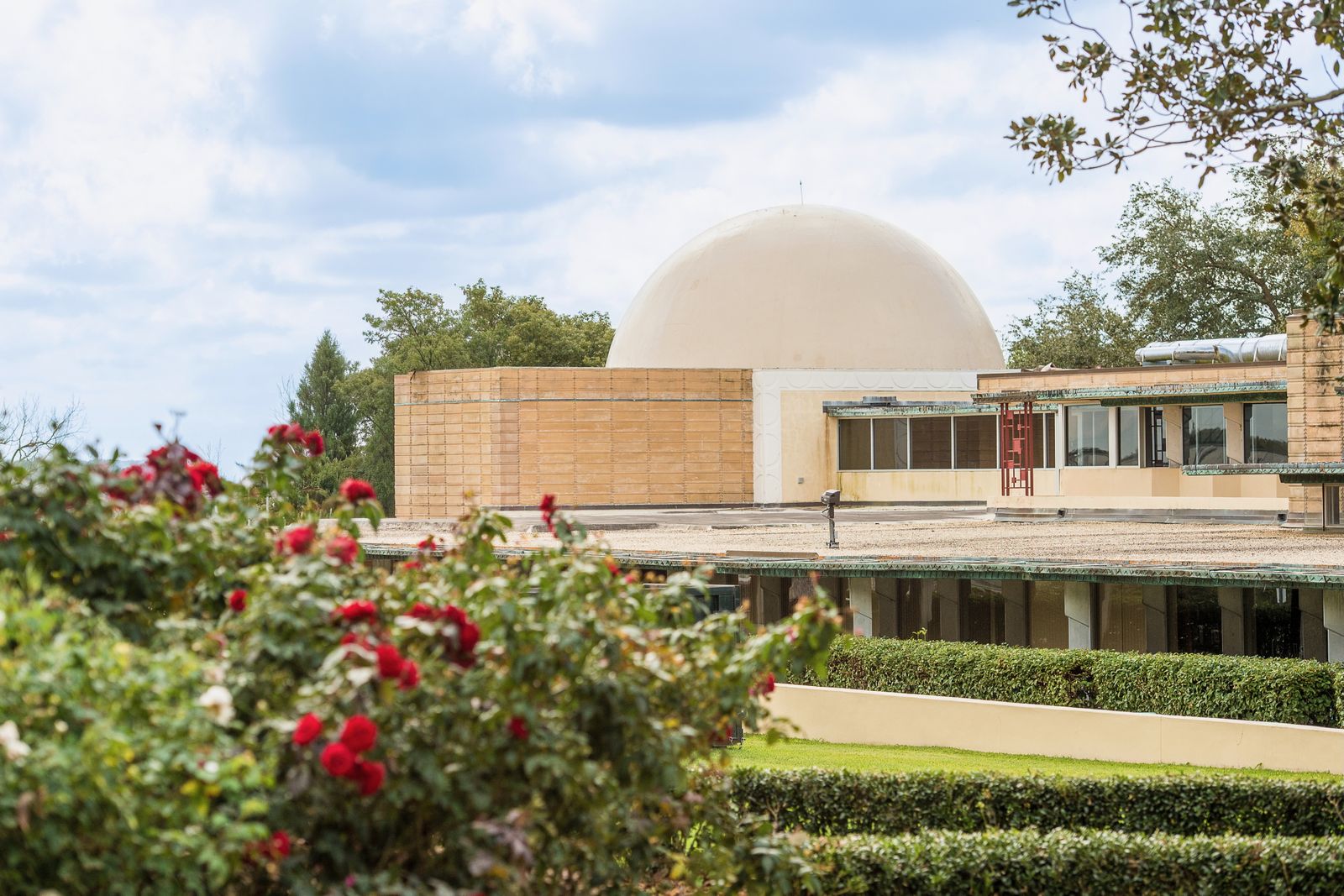
Immerse Yourself in the Cosmos at Frank Lloyd Wright's Only Planetarium, Recently Restored to Its Former Glory in Florida
Completed in 1958, the domed building is located on the campus of Florida Southern College, home to 13 Wright-designed buildings, the world's largest single-site collection of the architect's work

Play Tractor online with friends — free
Real-time Sheng Ji / Tractor for 3–5 players, with complete bidding and trump rules across web, iOS and Android.
Play bidfive →
A Team of Astronomers Thinks They Have Identified the Exact Night Sky That Inspired Vincent van Gogh's 'Starry Night.' Not Everyone Is Convinced
Very few night skies seen from the south of France during the summer of 1889 would match the scene on van Gogh's canvas. A new study argues that it could have been July 22

'Pretty Boy' Floyd, One of the Most Notorious Outlaws of the Great Depression, Was Shot and Killed in an FBI Raid 92 Years Ago
Some Americans lauded the 30-year-old bank robber as a Robin Hood-esque folk hero. Others castigated him as a violent criminal whose misdeeds were emblematic of the troubled era

GTA 6 guides, updates and practical reference
Explore a Chinese GTA 6 guide library covering the release, map, characters, missions, vehicles and weapons.
Browse guides →
Create AI images with your own API key
aixipi runs on desktop/web, uses your own model API balance, and avoids subscription lock-in.
Try aixipi →