
Peptides Are All the Rage, Promising Miracle Cures and Makeovers Delivered by Injection. How Did We Get Here?
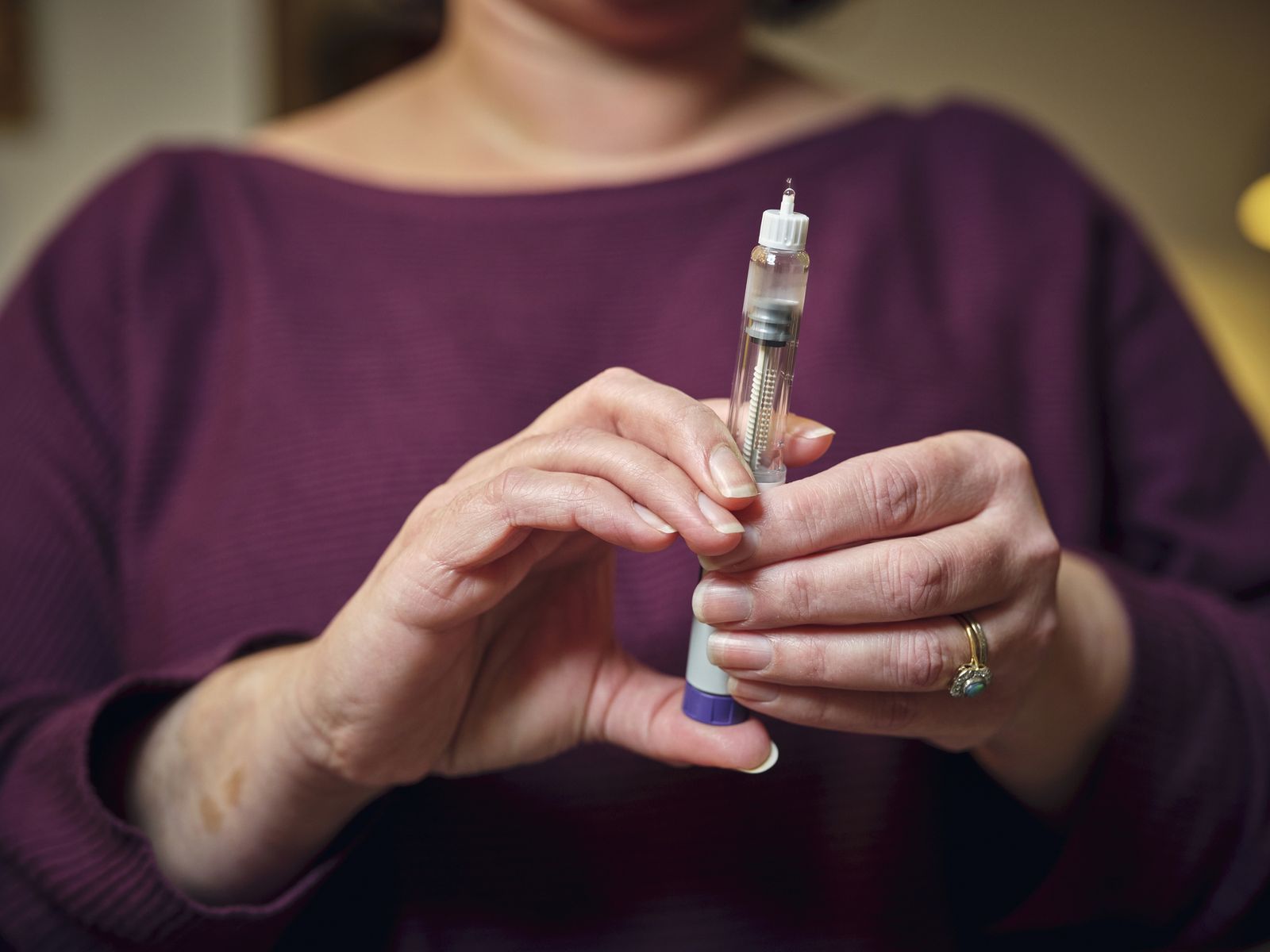
Peptide treatments have moved from the margins of health culture into a highly visible consumer market. Social-media feeds, medical-spa offerings and sleek online storefronts now present injections and related products as possible answers to an expanding list of worries. Names such as BPC-157 and GHK-Cu can sound technical and unfamiliar, yet their marketing often makes the proposed outcome easy to understand: lose weight, look younger, recover more quickly or feel better in some other specific way.
The surge is not occurring in isolation. Specialists describe it as part of a larger shift in which people seek options outside the conventional, regulated medical system when they face needs that standard care has found difficult to resolve. In that setting, a treatment need not be widely understood to attract attention. A promise of relief, repair or improvement can be enough to make an obscure compound seem worth investigating, especially when it is framed as a personal and direct intervention.
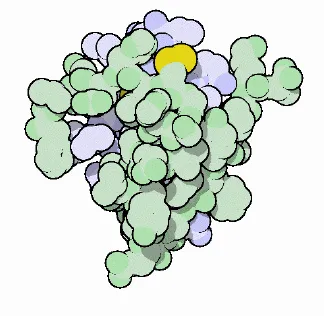
GLP-1 medicines helped create the conditions for that change. These drugs are self-administered by injection and are used to assist with weight reduction and lower blood-sugar levels. Their prominence brought peptide-based medicine into everyday conversation and made injection less surprising as part of a consumer health routine. That visibility also supplied a familiar reference point for people encountering a far wider range of peptide products and claims.
Only a few years ago, much of this activity was associated with body-building forums and the dark web. The setting has since changed markedly. Products that once circulated through niche or clandestine channels can now be encountered on professionally designed sites that adopt the appearance and language of medical services. The presentation has changed the audience as well as the atmosphere surrounding the products, replacing an underground image with one that can look polished and accessible.
Each compound is commonly attached to a particular aspiration. Some are promoted around body composition, others around the appearance of skin, and others around muscle recovery. The effect is a menu of seemingly tailored solutions, with a coded product name paired with a readily recognizable concern. That format can make the market feel broad and responsive: rather than one treatment for one diagnosis, consumers are shown a succession of possible interventions for distinct problems or goals.
In Silicon Valley, the culture has taken a particularly social form. Enthusiasts have convened at events where people drink and dance before administering peptide injections to themselves. The stated ambitions at those gatherings have included mental sharpness and a more defined physique. Such scenes capture the earlier association of peptides with self-optimization, where the focus is not necessarily illness but the pursuit of a perceived edge in appearance, performance or cognition.
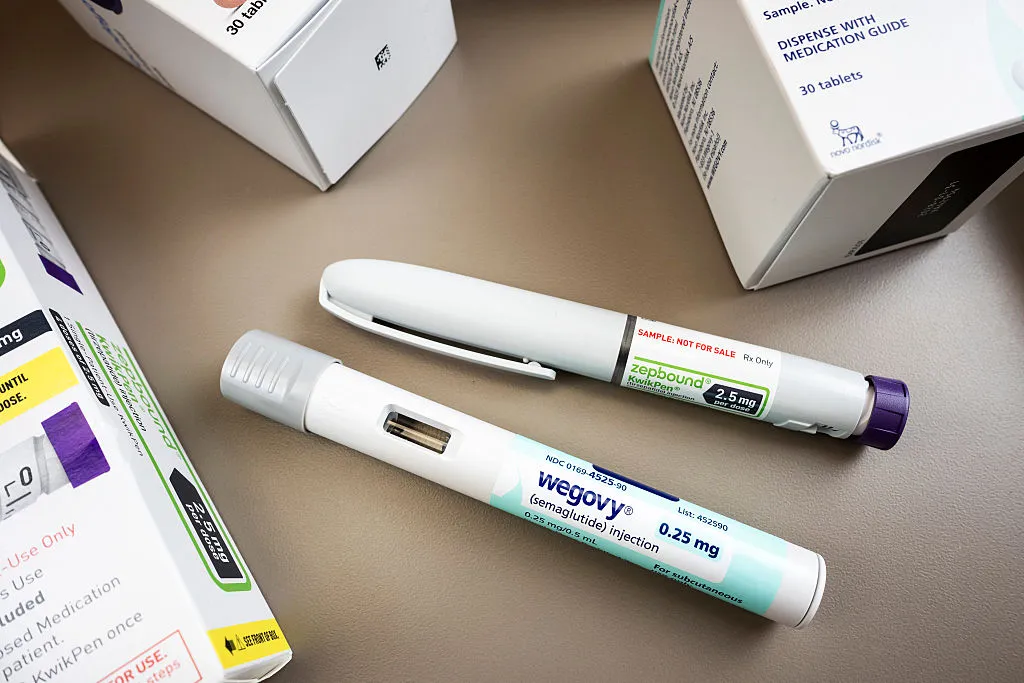
The audience has since expanded beyond that optimization-minded crowd. In recent years, peptides have increasingly been pursued by people looking for help with long-lasting pain and a range of other health concerns. This broadening matters because it moves the conversation from lifestyle experimentation toward conditions that may carry ongoing discomfort or frustration. It also helps explain why the products are appearing in venues designed to resemble mainstream wellness or medical services.
There are competing ways to interpret the trend. Supporters may see it as evidence that people want more control over persistent problems and are willing to explore new-looking options. A more cautious reading is that the very demand reflects unmet needs: patients are searching beyond the systems built to evaluate and treat them because existing care has not always delivered satisfactory answers. The same market can therefore represent both a desire for autonomy and a sign of dissatisfaction with available treatment pathways.
What comes next will depend in part on whether the market continues to be shaped by persuasive promises, consumer demand and the familiarity created by GLP-1 drugs. For now, peptides occupy an unusual space between medical language, wellness culture and personal experimentation. Their rapid journey from specialist online communities to spas, social gatherings and mainstream-looking websites shows how quickly a once-obscure category can become part of the public conversation about health, aging, appearance and pain.

Source: Smithsonian Magazine
Related articles

Immerse Yourself in the Cosmos at Frank Lloyd Wright's Only Planetarium, Recently Restored to Its Former Glory in Florida
Completed in 1958, the domed building is located on the campus of Florida Southern College, home to 13 Wright-designed buildings, the world's largest single-site collection of the architect's work

Play Tractor online with friends — free
Real-time Sheng Ji / Tractor for 3–5 players, with complete bidding and trump rules across web, iOS and Android.
Play bidfive →
A Team of Astronomers Thinks They Have Identified the Exact Night Sky That Inspired Vincent van Gogh's 'Starry Night.' Not Everyone Is Convinced
Very few night skies seen from the south of France during the summer of 1889 would match the scene on van Gogh's canvas. A new study argues that it could have been July 22

'Pretty Boy' Floyd, One of the Most Notorious Outlaws of the Great Depression, Was Shot and Killed in an FBI Raid 92 Years Ago
Some Americans lauded the 30-year-old bank robber as a Robin Hood-esque folk hero. Others castigated him as a violent criminal whose misdeeds were emblematic of the troubled era

GTA 6 guides, updates and practical reference
Explore a Chinese GTA 6 guide library covering the release, map, characters, missions, vehicles and weapons.
Browse guides →
Create AI images with your own API key
aixipi runs on desktop/web, uses your own model API balance, and avoids subscription lock-in.
Try aixipi →