
Pope Leo won't need more treatment after cancer surgery, doctors say
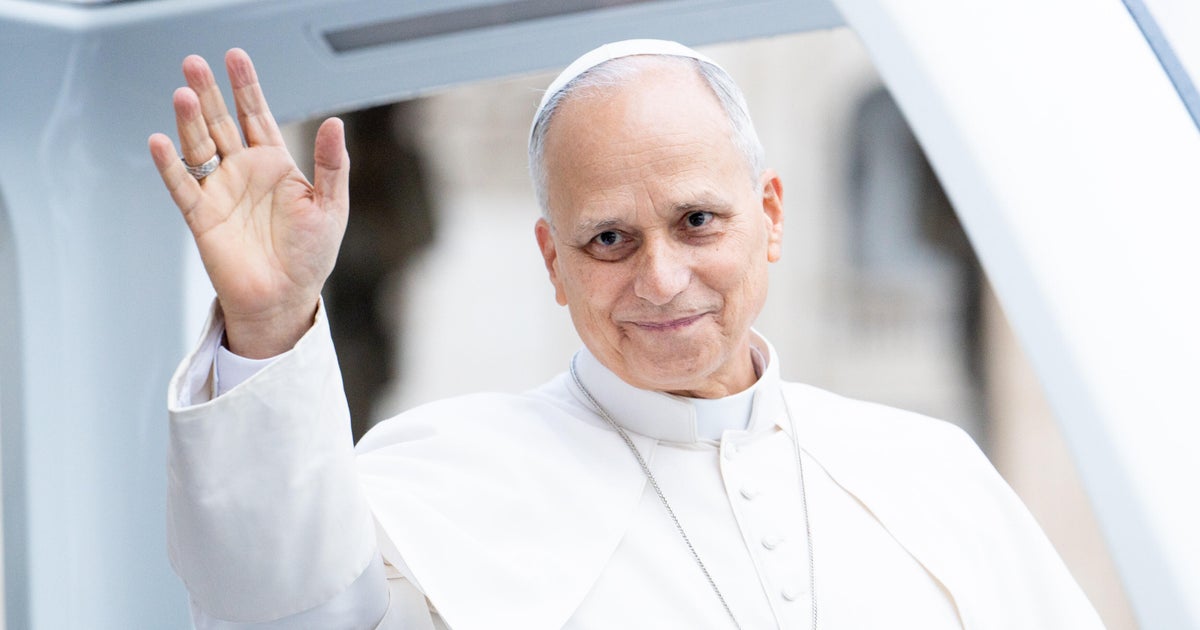
Pope Leo XIV will not undergo additional cancer treatment following surgery for lung cancer, according to a medical statement issued Wednesday by the two doctors responsible for his care. The announcement provides the clearest public account yet of the medical assessment after the operation: testing found the disease confined to a localized area, and a later oncology review found no reason to begin further therapy at this stage. The doctors said their conclusion followed post-operative testing and specialist review.
The statement was signed by Dr. Luigi Carbone, identified as the pope’s physician, and Dr. Stefano Margaritora, identified as his surgeon. Their conclusion rests on results reviewed after the procedure rather than on an initial expectation before surgery. They said the follow-up oncology assessment determined that added treatment was unnecessary. The doctors did not publicly describe the operation, the date of the diagnosis, or the specific tests used in reaching that conclusion.
For the Vatican and for people following the pontiff’s health, the central point is that doctors do not currently see a need for another phase of cancer care beyond the surgery already performed. The statement does not say that medical oversight has ended, nor does it provide a timetable for future examinations. Instead, it records a decision about whether further therapy is medically indicated after the post-surgical evaluation. It is a limited update focused on the immediate clinical recommendation.
The finding that the cancer was localized is a key part of the doctors’ explanation. Carbone and Margaritora said the testing confirmed that the disease was limited in scope, a result that informed the later oncology assessment. Their statement links that finding to the decision not to pursue further treatment. However, it does not release information about pathology, cancer staging, prognosis, or any personal medical factors considered by the care team during their review.
The announcement also distinguishes between two separate questions that can be combined in public discussions of cancer care: whether surgery has been completed, and whether doctors recommend treatment afterward. Leo has undergone the operation, and his physicians now say a further treatment phase is not required. That conclusion is based on the information available after surgery. It is not a detailed public account of every aspect of his recovery, nor does it define his longer-term medical outlook.
There is an important limit to what the statement establishes. A decision that further therapy is unnecessary now does not itself disclose a complete plan for observation in the months ahead. The doctors addressed the outcome of the cancer evaluation after surgery, not the full schedule of follow-up care. They did not specify future appointments, recovery milestones, activity restrictions, or how later health updates might be communicated by the Vatican or the medical team.
The update is likely to draw close attention because the pope’s health carries significance beyond an ordinary medical bulletin. Even so, the information released Wednesday is narrow and should be understood within those boundaries. The physicians did not announce a new treatment program or indicate that additional therapy remained under consideration. Their message was that the oncology review had reached the opposite conclusion: no extra cancer treatment is required following the operation.
What comes next will depend on any later information released by the Vatican and Leo’s doctors. For now, the confirmed points are consequential but limited: he had surgery for lung cancer, the testing cited by his physicians found the disease localized, and the subsequent oncology assessment concluded that further treatment was not needed. The absence of more clinical detail means future updates, if issued, may provide a clearer picture of recovery and any continuing medical follow-up.
Source: CBS World
Related articles
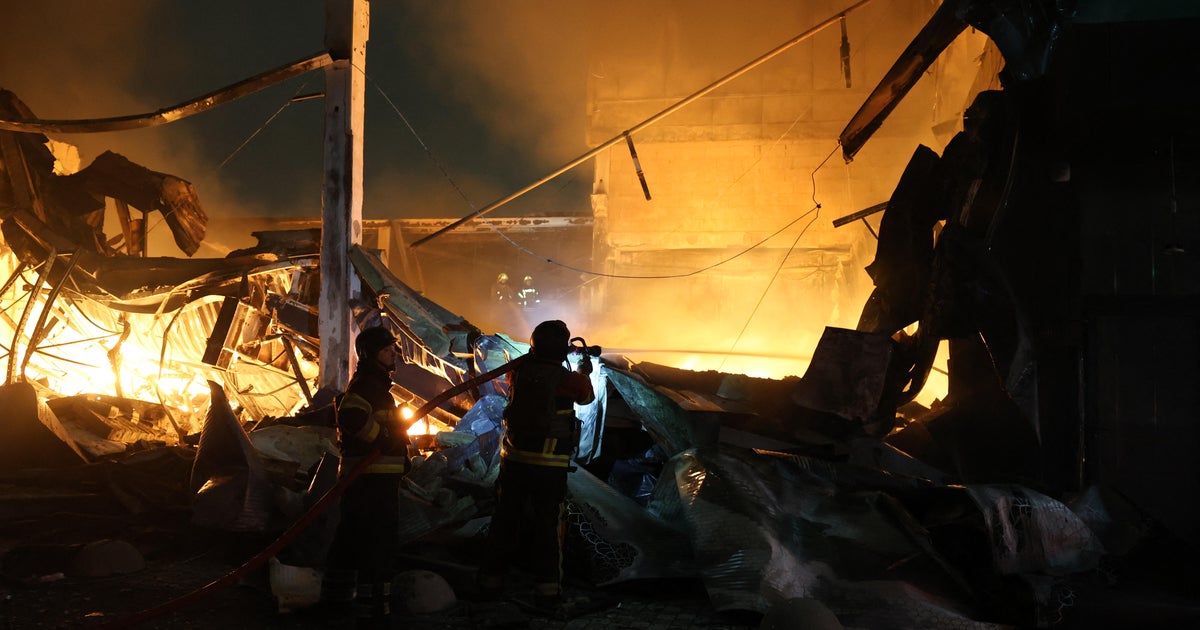
Zelenskyy accuses Russia of using cluster warheads in deadly strikes
Russia launched the strikes on Ukraine less than a day after negotiations to end the war, which also involved the United States, ended in St. Petersburg.

Create AI images with your own API key
aixipi runs on desktop/web, uses your own model API balance, and avoids subscription lock-in.
Try aixipi →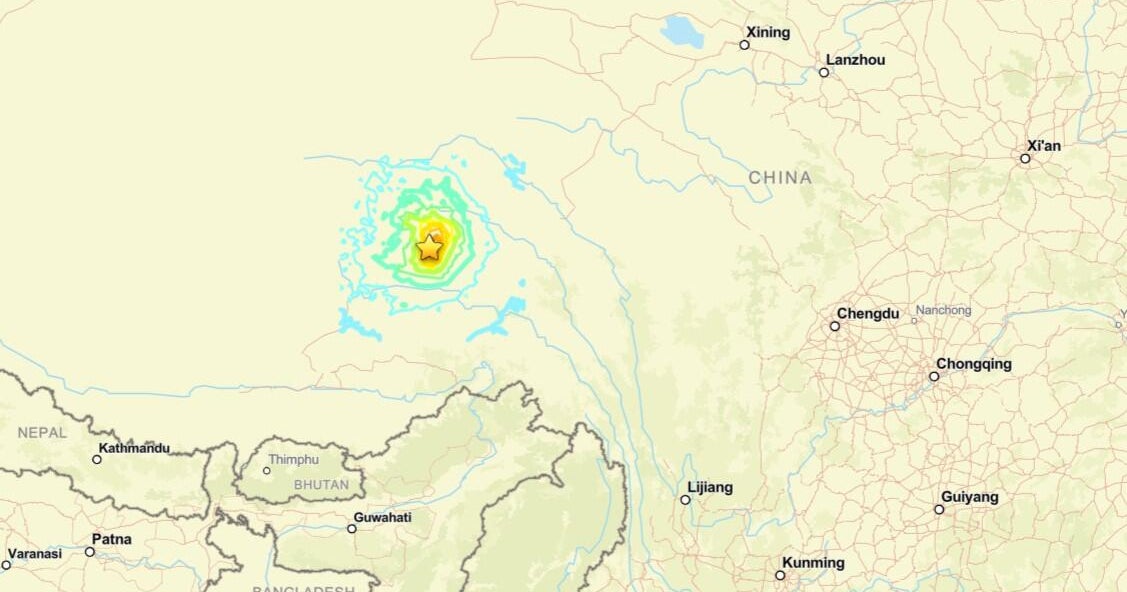
At least 16 dead when powerful 7.0 magnitude earthquake strikes Tibet
It was the biggest earthquake in the region in the last five years, China

See how Big Tech is transforming Spain's landscape
A drought-stricken region of northeast Spain has become a focus for American companies searching for locations to place their data centers.