
Putin relays Iran's position on deal to President Trump
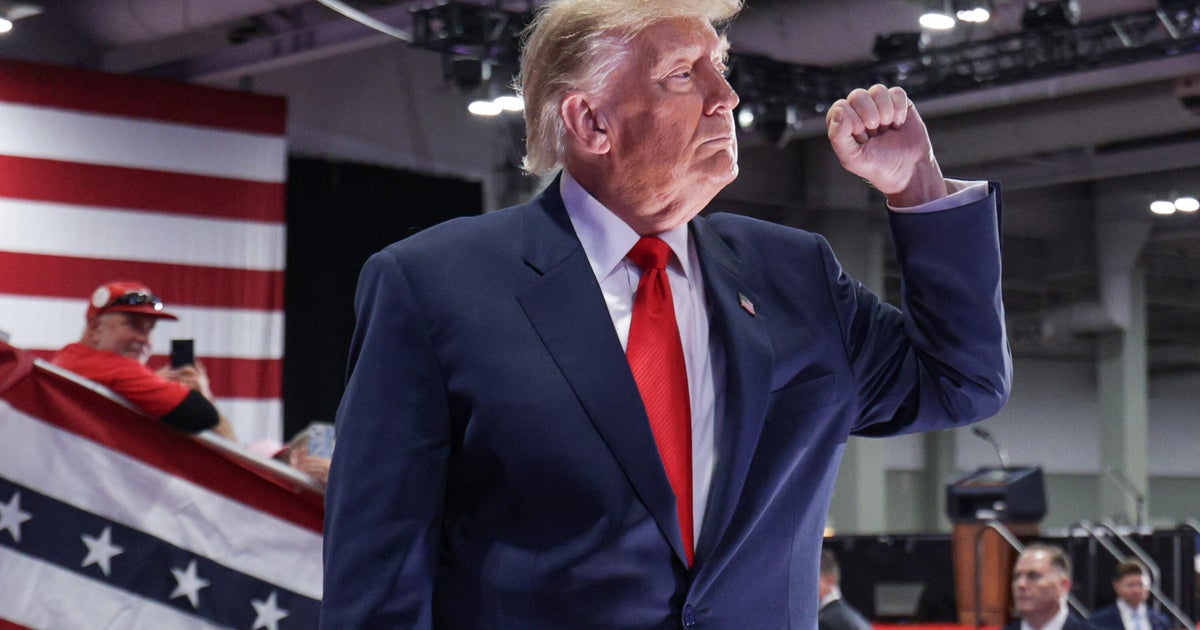
Russian President Vladimir Putin on Friday conveyed Iran’s terms for ending the war to President Trump, placing Moscow in an intermediary role as Washington weighs its next move in the region. The exchange put the focus on whether an opening for diplomacy could emerge at the same time that the conflict’s military pressures are intensifying. Details of the Iranian position relayed by Putin were not made public, leaving unclear how closely it may align with U.S. expectations or whether it could provide a basis for further talks.
The contact between the Russian and U.S. leaders came as Trump considered a separate but related question: whether the United States should enter Saudi Arabia’s fight with the Iran-backed Houthi movement. Asked about that prospect before departing the White House for a Tennessee campaign event, Trump did not rule it out. He said the administration was reviewing the situation and emphasized that its decisions could be made quickly.
Trump’s comments followed news of a recent attack on Riyadh’s airport, which he said the United States had only just learned about. The airport strike became an immediate factor in the administration’s deliberations, according to his remarks. It also underscored how an attack linked to the wider confrontation can force fresh choices even when leaders have sought to define limits on direct military action.
The president was specifically pressed on whether the airport incident might alter his previously announced approach to possible strikes against Iran. Trump had said that any such action would be held off until after the midterm elections. His response on Friday did not announce a change to that timetable, but it left the question open as officials assess the latest developments and the potential for a broader U.S. role.
Putin’s intervention adds a diplomatic track to a moment otherwise dominated by decisions about military involvement. By passing along Tehran’s position, the Russian leader appeared to be communicating Iran’s view directly to Trump rather than allowing the issue to be addressed solely through public statements or battlefield events. But the available information did not indicate that the two presidents reached an agreement, that Iran’s terms had been accepted, or that negotiations had begun.
The situation therefore contains two paths that could develop in parallel. One is diplomatic: clarification of what Tehran is seeking to bring the war to an end, and whether those conditions can be explored. The other is military: a determination by Washington about supporting Saudi Arabia against the Houthis after the Riyadh airport attack. A decision on one path could shape the other, especially if U.S. involvement is seen as affecting the pressure surrounding any settlement proposal.
Trump’s language suggested caution rather than a firm commitment. He neither promised U.S. participation in Saudi Arabia’s battle nor repeated an absolute refusal. That distinction matters because the administration had not yet publicly settled the issue when he spoke. The remarks also leave room for the assessment of the airport attack, its implications, and the relationship between Houthi actions and the broader question of potential measures involving Iran.
For Iran, the message delivered through Putin offers an opportunity to put its desired end-state before the U.S. president while the American response remains under review. For the United States and Saudi Arabia, the immediate concern described by Trump is the newly reported airport attack and whether it requires a quicker or stronger response. Neither perspective resolves the central uncertainty: whether diplomacy can move ahead before military decisions make the conflict more difficult to contain.
The next indications will come from the White House’s decision on participation in the Saudi-Houthi fight and from any further account of the Iranian proposal transmitted by Putin. Observers will also be watching whether Trump maintains his stated delay on potential action against Iran through the midterms, revises it, or distinguishes that question from assistance to Saudi Arabia. Until then, Friday’s developments leave both a possible channel for de-escalation and a continuing risk of wider involvement.
Source: CBS World
Related articles
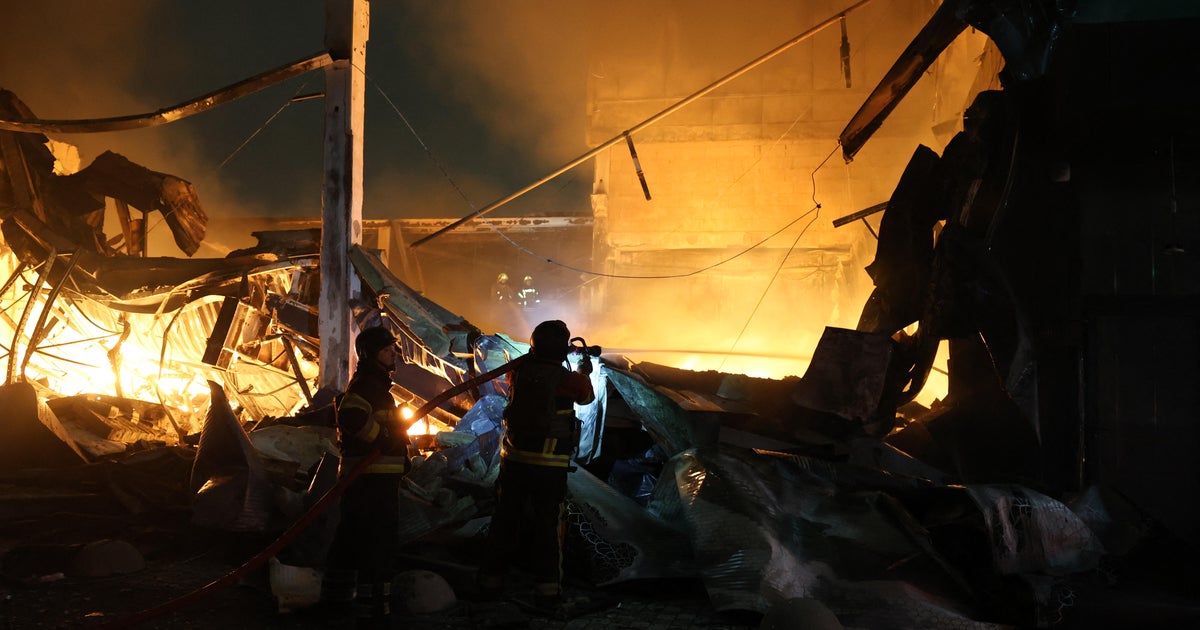
Zelenskyy accuses Russia of using cluster warheads in deadly strikes
Russia launched the strikes on Ukraine less than a day after negotiations to end the war, which also involved the United States, ended in St. Petersburg.

Create AI images with your own API key
aixipi runs on desktop/web, uses your own model API balance, and avoids subscription lock-in.
Try aixipi →
At least 16 dead when powerful 7.0 magnitude earthquake strikes Tibet
It was the biggest earthquake in the region in the last five years, China

See how Big Tech is transforming Spain's landscape
A drought-stricken region of northeast Spain has become a focus for American companies searching for locations to place their data centers.