
Raised in Apartheid South Africa, 2026 Nobel Peace Prize Winner Navi Pillay Is One of the World’s Leading Human Rights Jurists

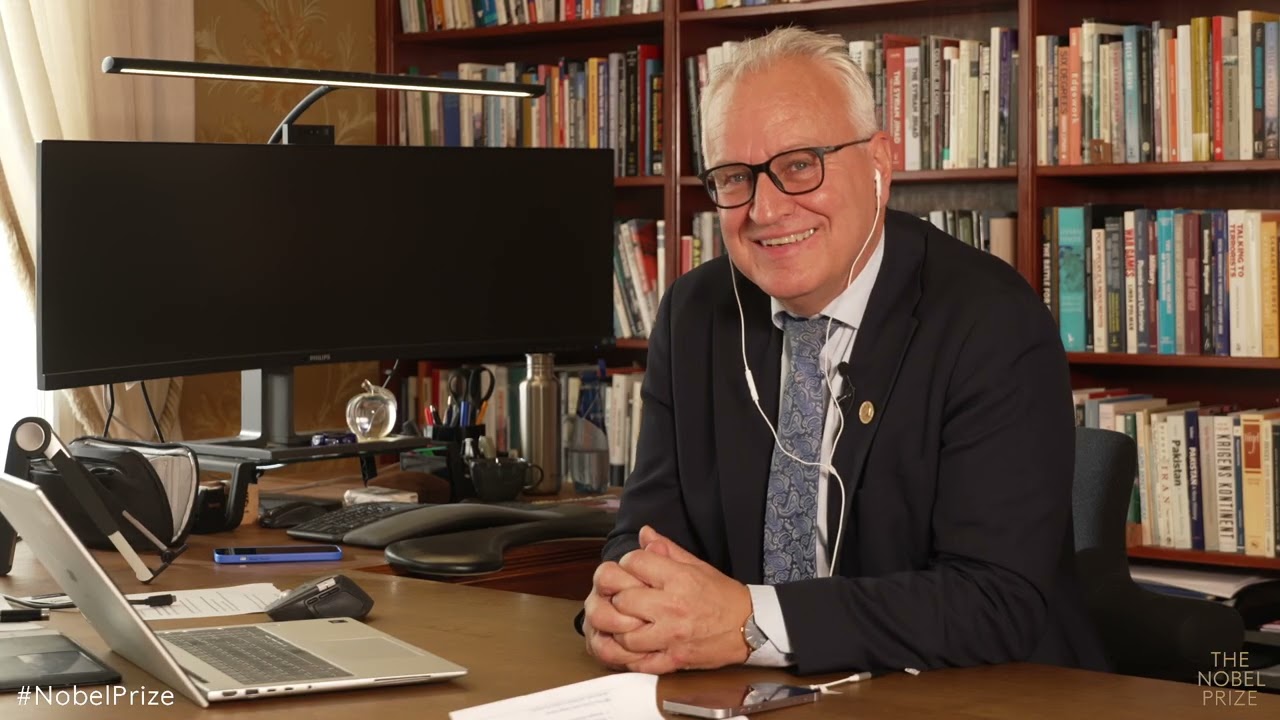
South African jurist Navanethem “Navi” Pillay has received the 2026 Nobel Peace Prize, an honor recognizing a career spent pressing courts and international institutions to confront grave abuses. The Nobel Committee cited her work advancing peace through international law. Pillay, 85, learned of the decision in Courtroom 600 at the Nuremberg Palace of Justice, a setting closely associated with postwar prosecutions of leading Nazi figures.
The location gave the announcement particular resonance. Courtroom 600 was the venue for the Nuremberg Trials, in which senior officials of the Nazi regime faced charges after World War II. Pillay was attending an international-law conference there when the award was announced. Her career has similarly centered on the proposition that atrocities should be answered through legal processes, whether the accused are state authorities or private individuals.

The committee described Pillay as a jurist guided by legal rules intended to apply to everyone, and it highlighted the ethical steadiness it said she had shown over many years. Known professionally as Navi, she has worked in courts in South Africa and abroad, helping shape efforts to make perpetrators and governments answer for violations of fundamental rights. The prize places that record at the center of a global debate about the reach and enforcement of international law.
Pillay was born in Durban in 1941 to a low-income family of Indian Tamil heritage. Her father drove a bus. She pursued legal training under apartheid, when non-white South Africans faced entrenched discrimination and sharply restricted opportunities. In 1967, she opened her own practice. More than two decades later, she became the first person from South Africa to earn Harvard Law School’s Doctor of Juridical Science degree, its highest academic qualification.
Her early legal work included representing opponents of apartheid, among them Nelson Mandela, who also became a Nobel Peace Prize laureate. In 1995, Pillay was appointed to South Africa’s High Court, becoming the first non-white woman to hold that position. The appointment marked a break with exclusionary structures that had long shaped the country’s legal profession and judiciary, while her earlier work had placed her alongside people challenging the apartheid state.
Her work later moved to international criminal justice. Pillay served as a judge and then president of the International Criminal Tribunal for Rwanda, which examined crimes committed during the 1994 genocide. During that period, the tribunal developed major rulings treating sexual violence as conduct that can constitute genocide or crimes against humanity. Those decisions drew international focus to the sexual assaults suffered by an estimated 100,000 to 250,000 Rwandan women during the roughly three-month mass killing.
From 2008 through 2014, Pillay was the United Nations high commissioner for human rights. She subsequently chaired the U.N. Independent International Commission of Inquiry on the Occupied Palestinian Territory between 2021 and 2025. That body concluded that Israel had committed genocide against Palestinians in Gaza. Israel forcefully rejected the finding, underscoring both the political stakes surrounding the commission’s work and the limits of consensus around some of the most consequential applications of international law.
Pillay has also sat as a judge at the International Criminal Court and now serves as an ad hoc judge at the International Court of Justice, the U.N.’s principal judicial organ. There, she is involved in the continuing case examining allegations that Myanmar committed genocide against the Rohingya minority. The Nobel Committee’s decision arrives in the Peace Prize’s 125th anniversary year, after 287 people and organizations were nominated. Created through Alfred Nobel’s will, the prize was first awarded in 1901. The award recognizes Pillay’s record, but it also directs attention to an unsettled question: whether international legal institutions can turn their standards into accountability when governments contest their authority.
Source: Smithsonian Magazine
Related articles
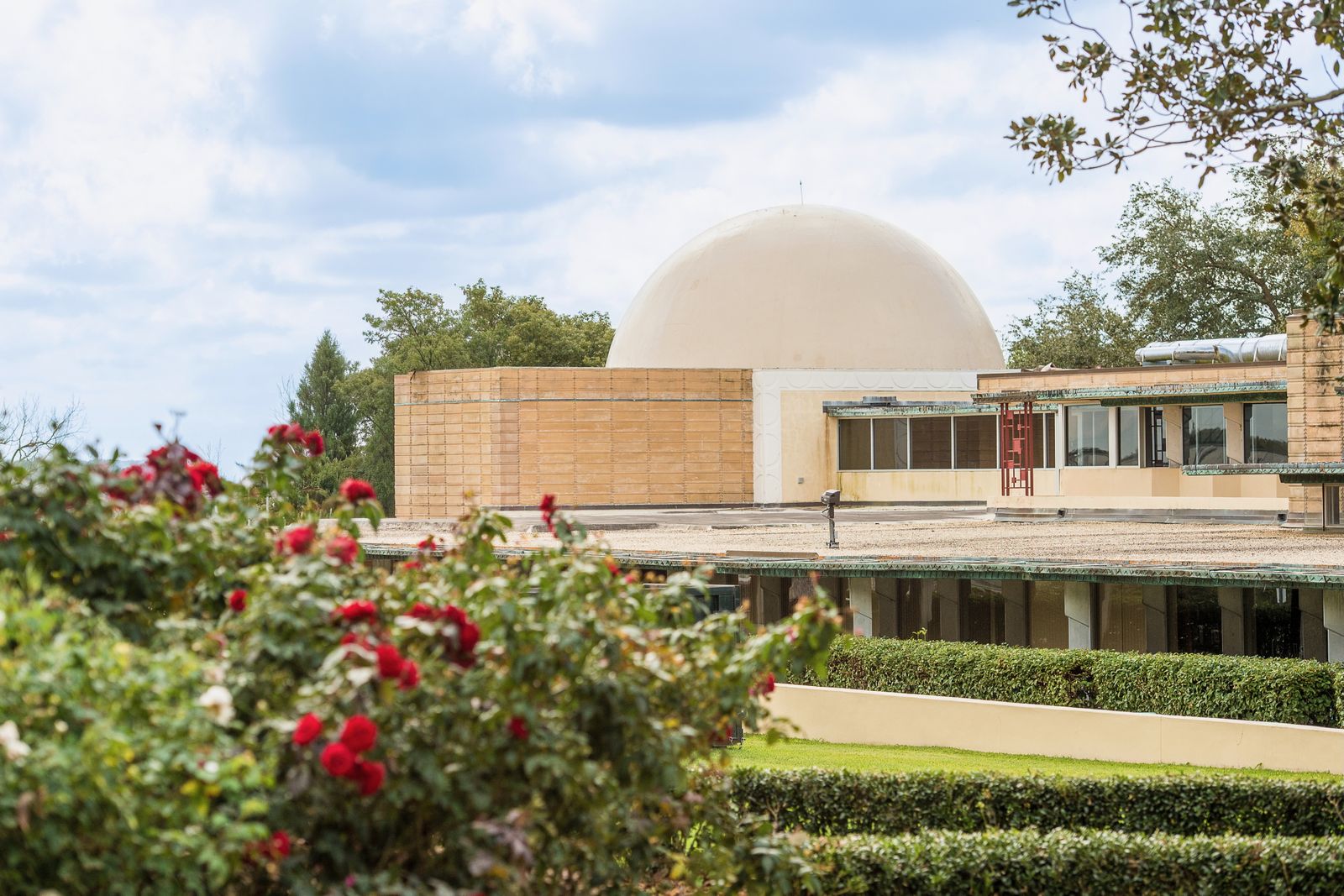
Immerse Yourself in the Cosmos at Frank Lloyd Wright's Only Planetarium, Recently Restored to Its Former Glory in Florida
Completed in 1958, the domed building is located on the campus of Florida Southern College, home to 13 Wright-designed buildings, the world's largest single-site collection of the architect's work

Play Tractor online with friends — free
Real-time Sheng Ji / Tractor for 3–5 players, with complete bidding and trump rules across web, iOS and Android.
Play bidfive →
A Team of Astronomers Thinks They Have Identified the Exact Night Sky That Inspired Vincent van Gogh's 'Starry Night.' Not Everyone Is Convinced
Very few night skies seen from the south of France during the summer of 1889 would match the scene on van Gogh's canvas. A new study argues that it could have been July 22

'Pretty Boy' Floyd, One of the Most Notorious Outlaws of the Great Depression, Was Shot and Killed in an FBI Raid 92 Years Ago
Some Americans lauded the 30-year-old bank robber as a Robin Hood-esque folk hero. Others castigated him as a violent criminal whose misdeeds were emblematic of the troubled era

GTA 6 guides, updates and practical reference
Explore a Chinese GTA 6 guide library covering the release, map, characters, missions, vehicles and weapons.
Browse guides →
Create AI images with your own API key
aixipi runs on desktop/web, uses your own model API balance, and avoids subscription lock-in.
Try aixipi →