
Reported attacks on ships around Hormuz reach record highs
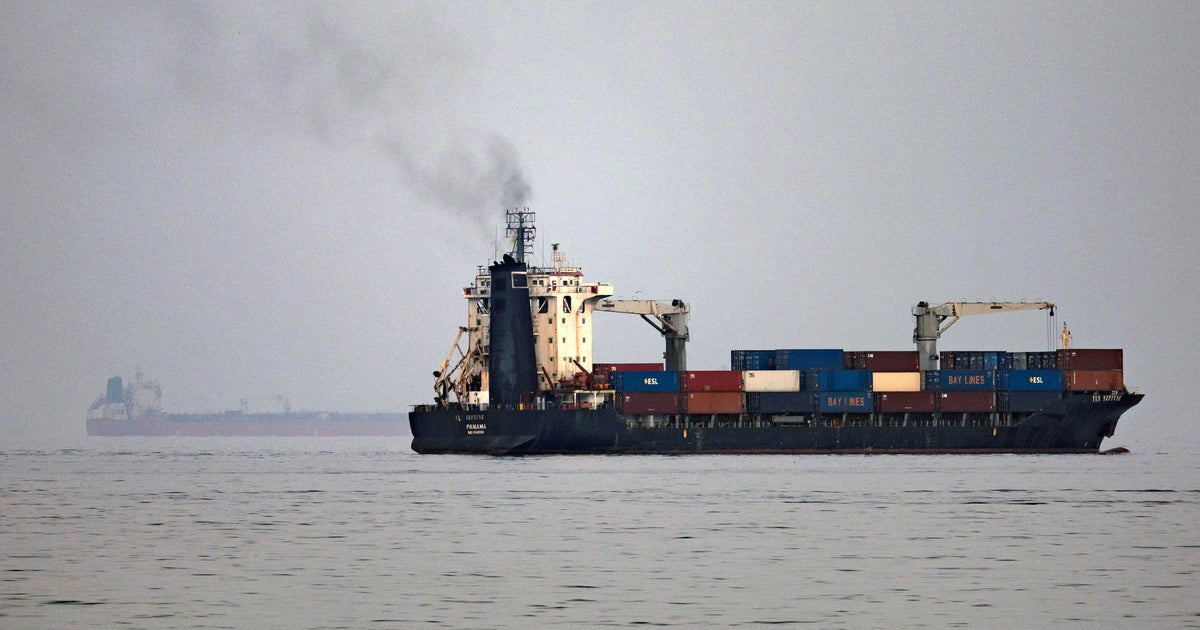
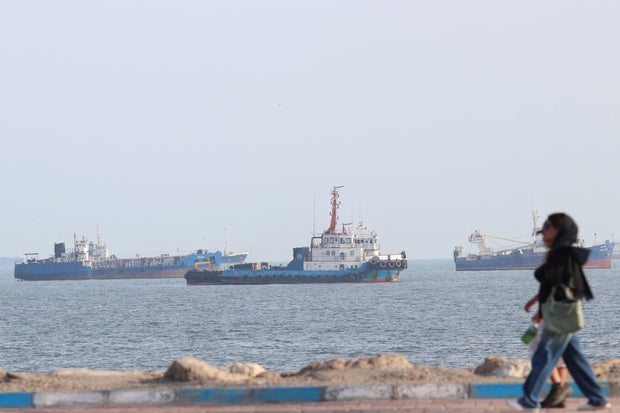
Reported attacks on vessels in and around the Strait of Hormuz have climbed to their highest recorded level, according to figures from a maritime monitoring organization, adding fresh pressure to one of the world’s most strategically watched waterways. The increase came as two additional ships said on Friday that they had been targeted, extending a run of incidents that has intensified concerns for crews, shipowners and governments with interests in the region.
The Strait of Hormuz is a narrow passage between Iran and the Arabian Peninsula that connects the Persian Gulf with the Gulf of Oman and the open sea. Its location gives it importance far beyond the countries along its shores. Ships using the route move through a confined corridor where any rise in nearby hostilities can quickly become a concern for commercial traffic, naval forces and the wider region.
The monitoring figures do not, by themselves, identify those behind every reported attack or establish whether all incidents were carried out in the same way. Still, a record total suggests that the danger is no longer being viewed as a series of disconnected events. The two new reports on Friday add to a growing list of maritime security concerns during a period of heightened confrontation involving Iran, the United States and their regional partners.
Shipping incidents can have effects beyond the vessels directly involved. Operators may reassess routes, timing and security procedures when reports of attacks increase, while governments seek clearer information about responsibility and intent. In a waterway with limited room for traffic, uncertainty can become a risk in itself, particularly when the political climate surrounding it is already tense and military threats are being exchanged.
Yemen remains one of the major political flashpoints in the broader dispute. Yemen’s foreign minister dismissed Iran’s proposal to help negotiate an end to the war between Yemen’s internationally recognized government and the Houthi movement, which is backed by Tehran. She said Iran could not reasonably claim the role of mediator because her government sees Iranian support for the Houthis as part of the conflict’s origin and continuation.
Her response highlights sharply different views of Iran’s place in regional conflicts. Tehran has offered diplomacy, while Yemen’s government has treated that offer as incompatible with its account of the Houthi takeover and the subsequent war. The disagreement illustrates a wider obstacle to negotiations: an intermediary must be accepted as credible by the parties involved, and Yemen’s government has made clear that it does not regard Iran that way.
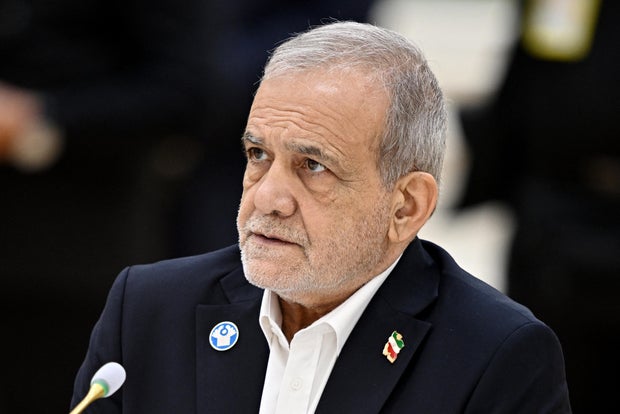
Iranian President Masoud Pezeshkian presented a different message during talks with Georgia’s prime minister on Friday. He said Tehran was not seeking a nuclear weapon and indicated that it was prepared to engage in dialogue. Pezeshkian also condemned U.S. sanctions, linking the economic pressure imposed on Iran to the broader deterioration in relations between Tehran and Washington.
At the same time, Iran’s newly appointed defense minister, Mehrdad Akhlaghi, delivered a forceful warning. He said the United States and its Middle Eastern allies would suffer major damage if Washington resumed military action against Iran. The combination of Pezeshkian’s openness to talks and Akhlaghi’s warning reflects the competing diplomatic and military messages emerging from Tehran as regional tensions remain elevated.
The next question for governments and maritime operators is whether the reported incidents remain limited or develop into a more sustained threat to passage through Hormuz. Investigators will be looking for information that can establish what happened to the vessels, whether the cases are connected and who may be responsible. Diplomatic contacts will also be closely watched for signs that tensions can be reduced before further maritime reports deepen the crisis.
Source: CBS World
Related articles
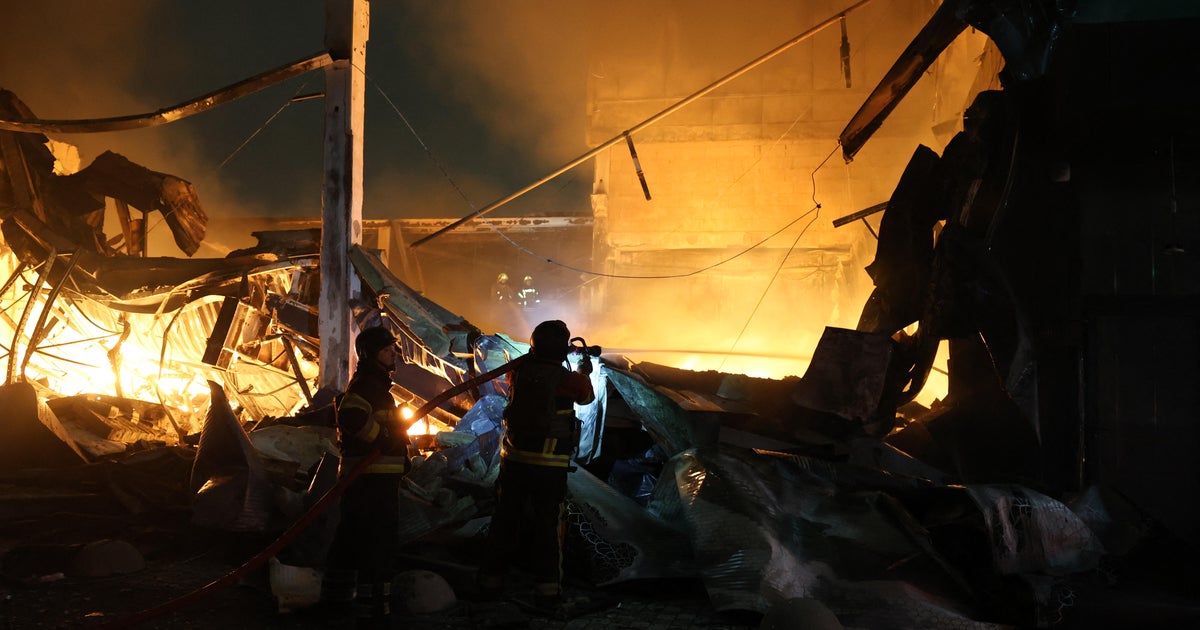
Zelenskyy accuses Russia of using cluster warheads in deadly strikes
Russia launched the strikes on Ukraine less than a day after negotiations to end the war, which also involved the United States, ended in St. Petersburg.

Create AI images with your own API key
aixipi runs on desktop/web, uses your own model API balance, and avoids subscription lock-in.
Try aixipi →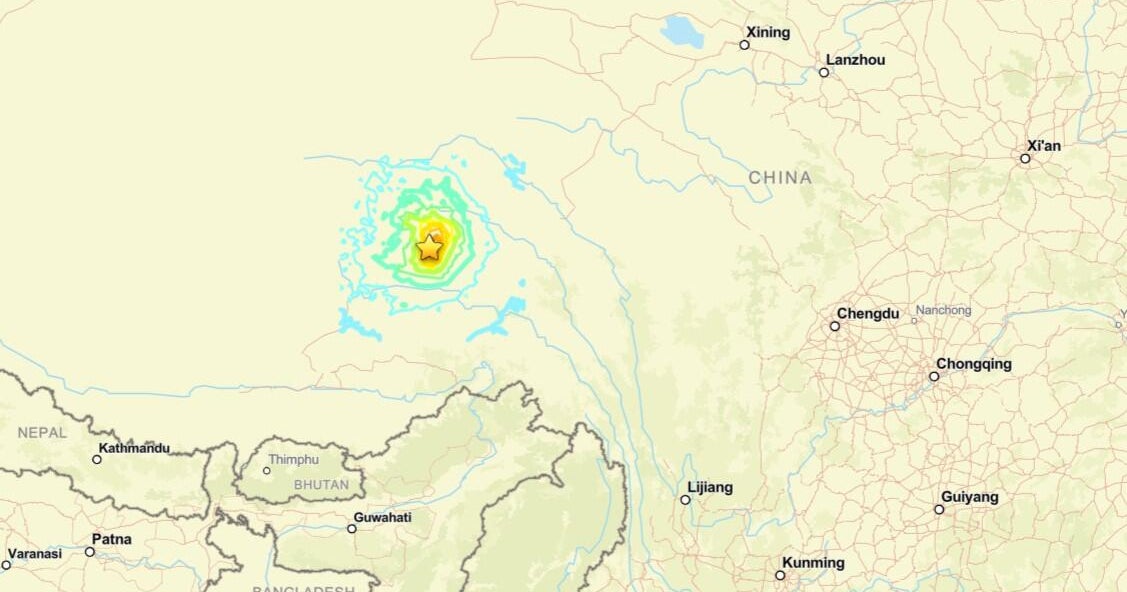
At least 16 dead when powerful 7.0 magnitude earthquake strikes Tibet
It was the biggest earthquake in the region in the last five years, China

See how Big Tech is transforming Spain's landscape
A drought-stricken region of northeast Spain has become a focus for American companies searching for locations to place their data centers.