
Researchers Have Analyzed the Roman Empire’s 190,000-Mile Network of Roads. Turns Out, Not All of Them Led to Rome
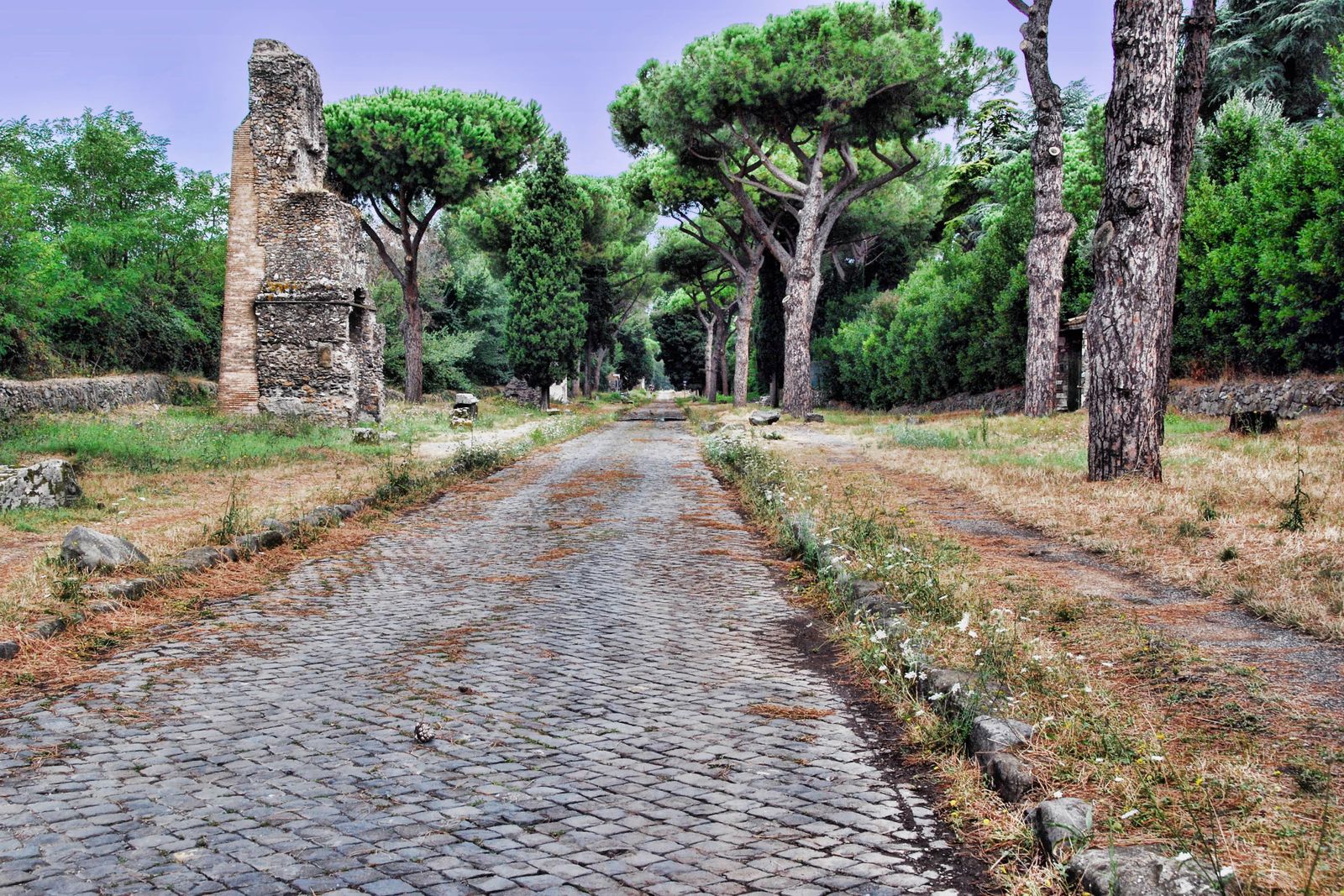
A new analysis of the Roman Empire’s vast road system is challenging one of the ancient world’s most durable clichés. Researchers who examined a network estimated at about 190,000 miles found a pattern that does not fit the simple idea that every route converged on Rome. Their work, published in Nature Communications, also calls into question broader assumptions about how uniformly engineered, direct and enduring those roads were.
The project uses a digital reconstruction to look at the network as a whole rather than treating famous routes as stand-ins for the entire imperial system. That wider view matters because a road map can reveal relationships that individual landmarks cannot: which areas were linked, where routes branched, and how much the capital actually dominated the connections. The researchers set out to test long-repeated beliefs about Rome’s reach instead of accepting them as established conclusions.
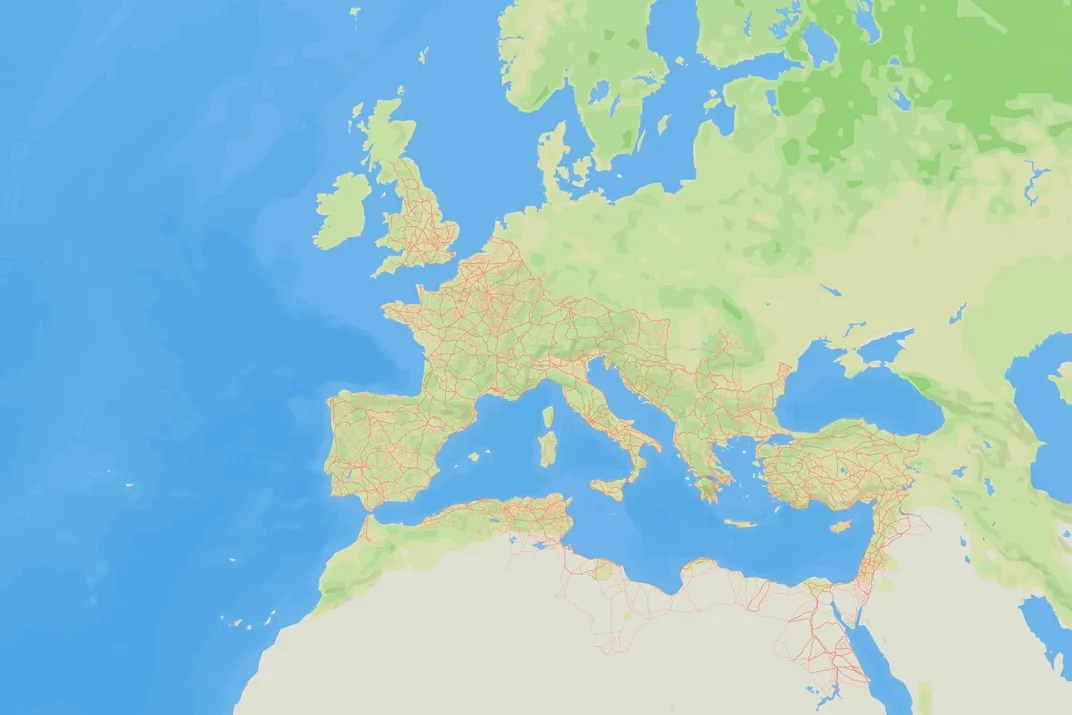
One central question was the capital’s place within the network. Rome is often imagined as the hub of an immense wheel, with roads extending outward like spokes and directing people, goods and power back to the city. The study’s co-author Tom Brughmans, an archaeologist at Aarhus University in Denmark, said that picture has become too easy to accept. In remarks to the London Times, he argued that the “spider’s web” image does not describe the system accurately.
The familiar saying about all roads reaching Rome has helped sustain that image for generations. It captures Rome’s symbolic authority, but the analysis suggests that symbolism should not be confused with a literal account of how the empire’s routes were arranged. A network built across an enormous territory could include important links between provincial places without making the capital the destination, or even the principal connection, for every stretch of road.
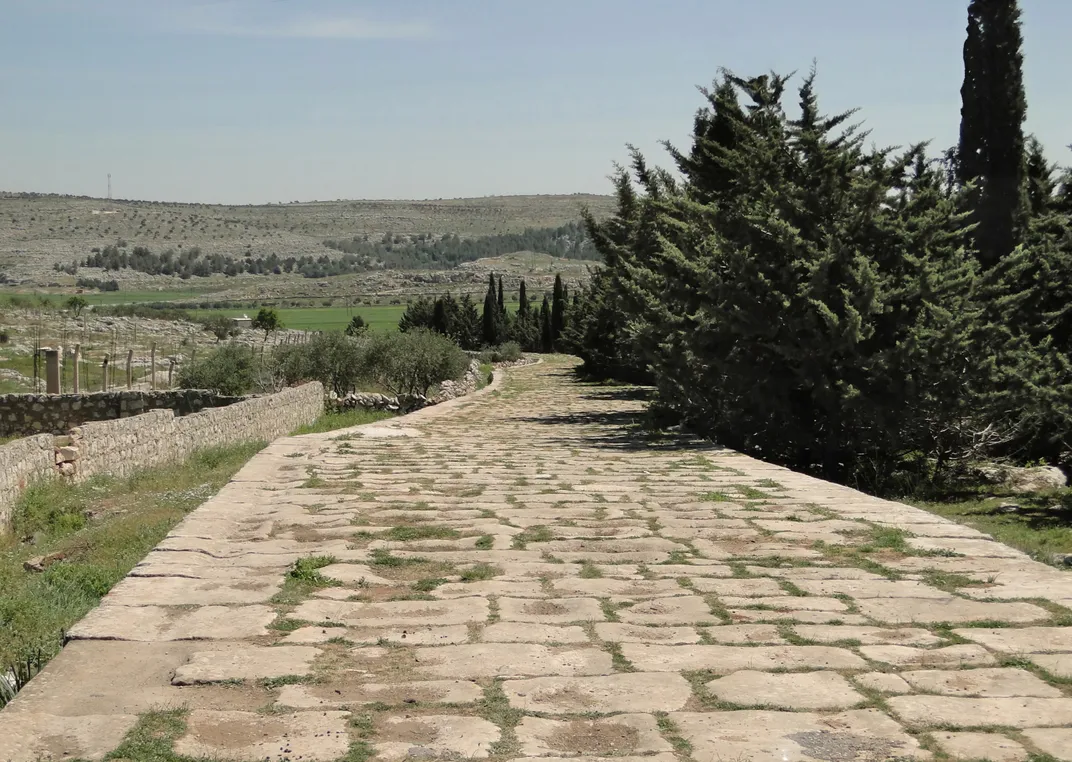
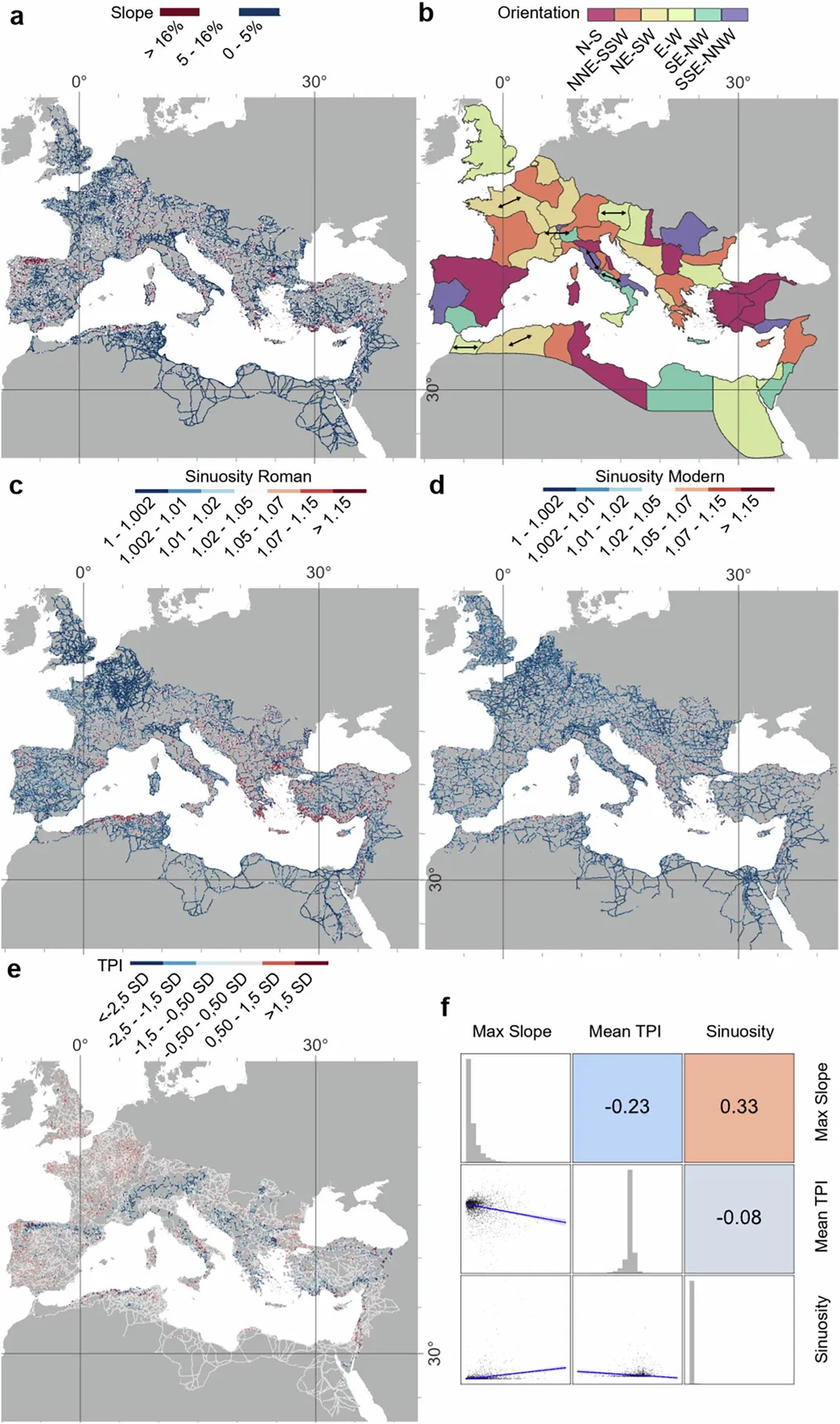
The study also revisits assumptions about design. Roman roads are commonly portrayed as straight lines laid down with a single level of technical precision, yet the researchers say such broad claims do not hold consistently across the network. The same applies to the popular belief that present-day travel routes simply preserve Roman alignments. Those ideas are widespread not only in public discussion but also among scholars, Brughmans told New Scientist.
The question of modern roads gives the research a contemporary dimension. The archaeologists considered whether today’s motorways follow paths created in the Roman period, a claim often repeated when ancient infrastructure is discussed. Examining that idea as a research question is different from treating it as a universal rule. Modern routes may invite comparisons with older landscapes, but the study argues that the relationship needs to be investigated rather than presumed.
That does not make the best-known roads unimportant. The Via Appia, for example, is widely regarded as the earliest of Rome’s great roads and remains a powerful emblem of Roman construction. But a celebrated route can shape perceptions out of proportion to what it shows about an empire-wide system. The new work shifts attention from a handful of memorable examples toward the many connections that together formed the larger transport landscape.
The broader implication is methodological. If historians begin from the premise that Roman roads were automatically straight, centralized and still visible beneath modern infrastructure, those premises can narrow the questions they ask. Brughmans said such assumptions have discouraged closer scrutiny of the network. A digital model gives archaeologists a way to test the inherited narrative against the arrangement of routes rather than relying on an aphorism or a small set of famous remains.
The findings are a correction, not a claim that Rome lacked importance. The capital’s political and cultural role in the empire is not the same issue as whether every road segment formed a direct line toward it. What the analysis asks is more precise: how the network was connected in practice, and whether a sweeping modern shorthand can bear that weight. Future research will likely examine how this revised map changes interpretations of movement and connection across different parts of the Roman world.
Source: Smithsonian Magazine
Related articles
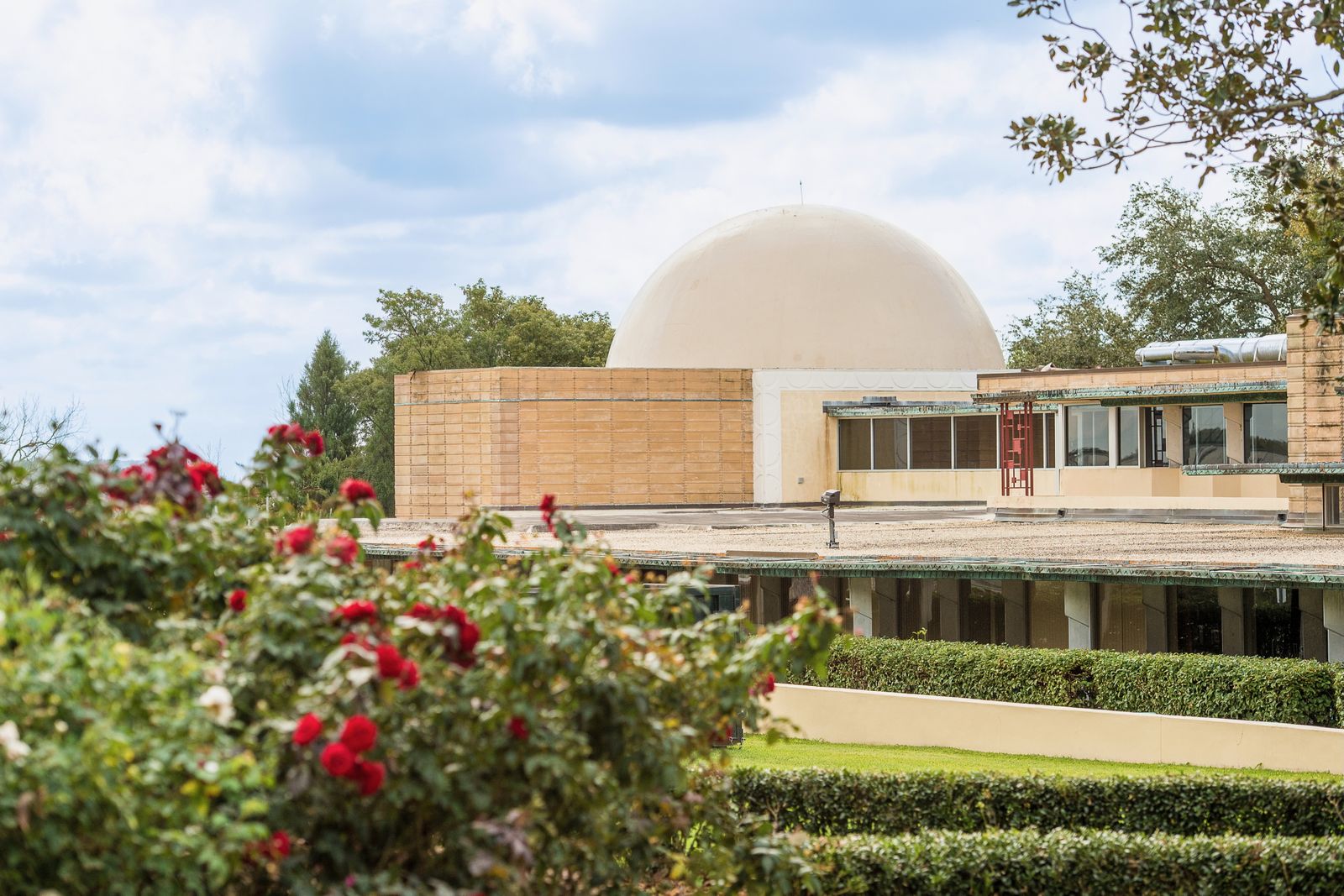
Immerse Yourself in the Cosmos at Frank Lloyd Wright's Only Planetarium, Recently Restored to Its Former Glory in Florida
Completed in 1958, the domed building is located on the campus of Florida Southern College, home to 13 Wright-designed buildings, the world's largest single-site collection of the architect's work

Play Tractor online with friends — free
Real-time Sheng Ji / Tractor for 3–5 players, with complete bidding and trump rules across web, iOS and Android.
Play bidfive →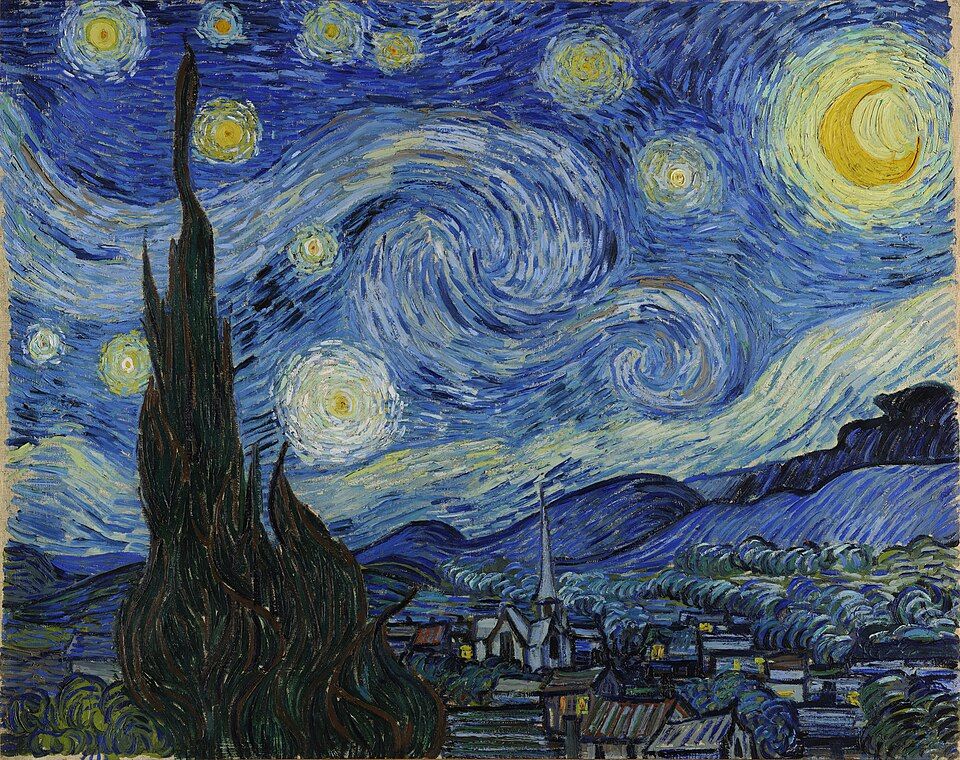
A Team of Astronomers Thinks They Have Identified the Exact Night Sky That Inspired Vincent van Gogh's 'Starry Night.' Not Everyone Is Convinced
Very few night skies seen from the south of France during the summer of 1889 would match the scene on van Gogh's canvas. A new study argues that it could have been July 22

'Pretty Boy' Floyd, One of the Most Notorious Outlaws of the Great Depression, Was Shot and Killed in an FBI Raid 92 Years Ago
Some Americans lauded the 30-year-old bank robber as a Robin Hood-esque folk hero. Others castigated him as a violent criminal whose misdeeds were emblematic of the troubled era

GTA 6 guides, updates and practical reference
Explore a Chinese GTA 6 guide library covering the release, map, characters, missions, vehicles and weapons.
Browse guides →
Create AI images with your own API key
aixipi runs on desktop/web, uses your own model API balance, and avoids subscription lock-in.
Try aixipi →