
Russia is stockpiling weapons to intensify attacks on Ukraine, analysts say
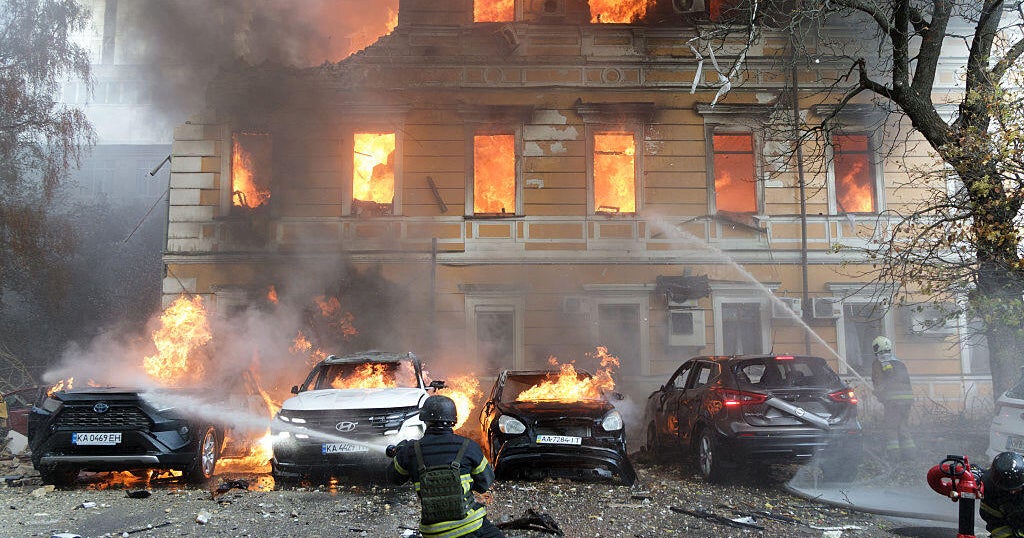
Russia may be holding weapons in reserve for a sharper campaign against Ukraine, analysts say, as a daylight drone operation on Monday struck civilian sites in several cities and left more than 100 people injured. Ukrainian local authorities reported damage to civilian buildings across the country, underscoring that the effects of the attack were not confined to a single city.
In central Kyiv, one drone hit the National Academy of Sciences. Later the same day, another unmanned aircraft damaged a privately run medical clinic only a few blocks from the first site. The two incidents brought the attack into a central part of the capital, where institutions and health services were among the places affected.
Dnipro also came under attack. In Ukraine's fourth-largest city, rescue personnel moved wounded civilians out of a business center after it was struck during the day. The evacuations added to the nationwide injury toll reported by local officials and illustrated the immediate burden placed on emergency services following the strikes.
Ukraine's Air Force said Russia deployed 124 attack drones between 6:30 a.m. and 6:30 p.m. Monday. That total was markedly below the scale of other Russian barrages reported this year. Previous waves have regularly combined more than 500 drones with 50 missiles over a comparable 12-hour period.
The separate locations show how a single day of attacks can touch different kinds of civilian activity: research in Kyiv, medical care near the academy, and workplaces in Dnipro. They also show that a smaller drone count is not synonymous with limited consequences. The reports of damage, injuries and emergency evacuations describe impacts felt in the capital and one of the country's largest cities, as well as elsewhere nationwide.
The lower number of drones does not remove the human impact of the operation. Damage at a scientific institution, a medical facility and a commercial building shows how attacks can disrupt services used by civilians even when the overall number of weapons is smaller than in earlier large-scale raids. The reported injuries and evacuations also point to the pressure such strikes place on local responders.
Analysts' assessment that Russia is accumulating weapons frames the smaller Monday barrage as potentially part of a broader calculation rather than simply a reduction in capability or intent. If those reserves are used in later operations, Ukraine could face renewed pressure from larger attacks. The available accounts, however, describe the stockpiling assessment and the day's drone activity without establishing a specific date, target list or scale for any future offensive.
The contrast also requires caution. Monday's air force figure refers to attack drones used during a defined 12-hour window, whereas the earlier examples cited by Ukraine involved both drones and missiles within the same duration. It establishes that the day's recorded drone use was smaller than those previous mixed barrages, but does not by itself answer how Russia may deploy any weapons it is said to be storing in later months. The figures instead offer a benchmark for judging whether the volume of future attacks changes.
Attention will now focus on whether subsequent strikes remain closer to Monday's level or return to the much heavier patterns seen earlier this year. It will also matter whether the reported buildup translates into a sustained escalation, as analysts expect. For residents of Kyiv, Dnipro and other affected areas, the immediate record is already clear: daytime attacks reached civilian places, injured more than 100 people nationwide, and required emergency evacuations.
Source: CBS World
Related articles
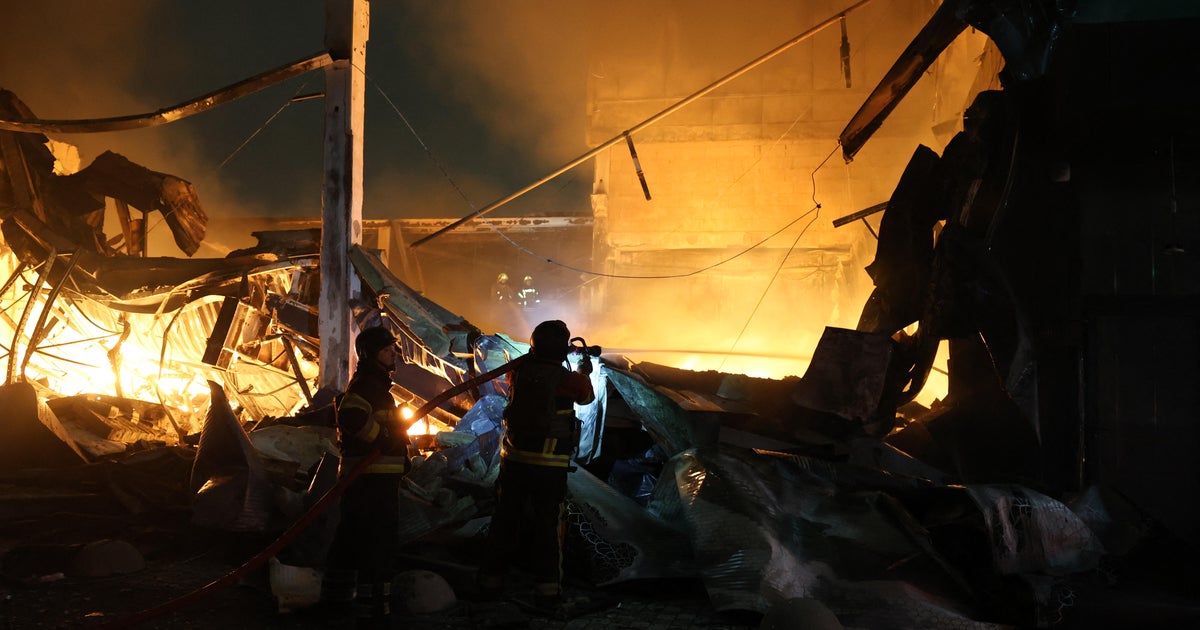
Zelenskyy accuses Russia of using cluster warheads in deadly strikes
Russia launched the strikes on Ukraine less than a day after negotiations to end the war, which also involved the United States, ended in St. Petersburg.

Create AI images with your own API key
aixipi runs on desktop/web, uses your own model API balance, and avoids subscription lock-in.
Try aixipi →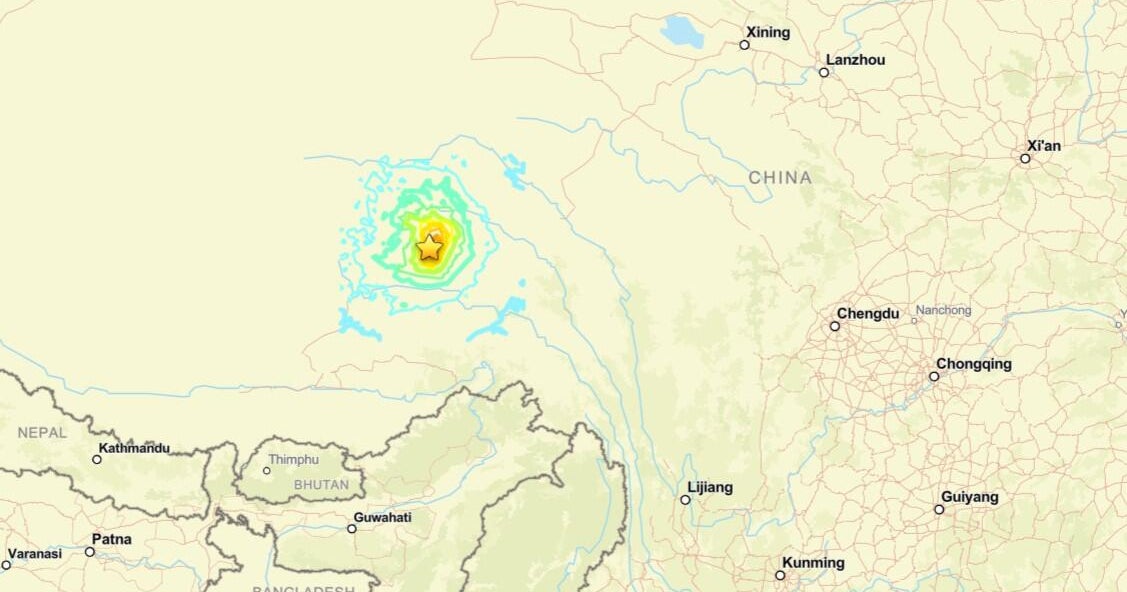
At least 16 dead when powerful 7.0 magnitude earthquake strikes Tibet
It was the biggest earthquake in the region in the last five years, China

See how Big Tech is transforming Spain's landscape
A drought-stricken region of northeast Spain has become a focus for American companies searching for locations to place their data centers.