
Russia Sends the Centuries-Old Remains of a Medieval Warrior Prince to Its Front Line in Ukraine, Hoping to ‘Spiritually Strengthen’ Troops
The Russian Orthodox Church has sent a relic linked to Dmitry Donskoy, a medieval ruler and military figure, to Russian forces in the Donetsk area of Ukraine. Church officials presented the move as an effort to “spiritually strengthen” troops serving near the front. The object is a small portion of Donskoy’s right hand, carried in a decorative reliquary protected by reinforced glass.
The dispatch follows the discovery of Donskoy’s burial place in Moscow in August. His remains had long held profound historical and religious importance, but the newly reported find gave church authorities a physical relic that could be displayed and transported. The decision to move part of those remains into a war zone brings a figure from Russia’s medieval past directly into the symbolism of its present conflict.
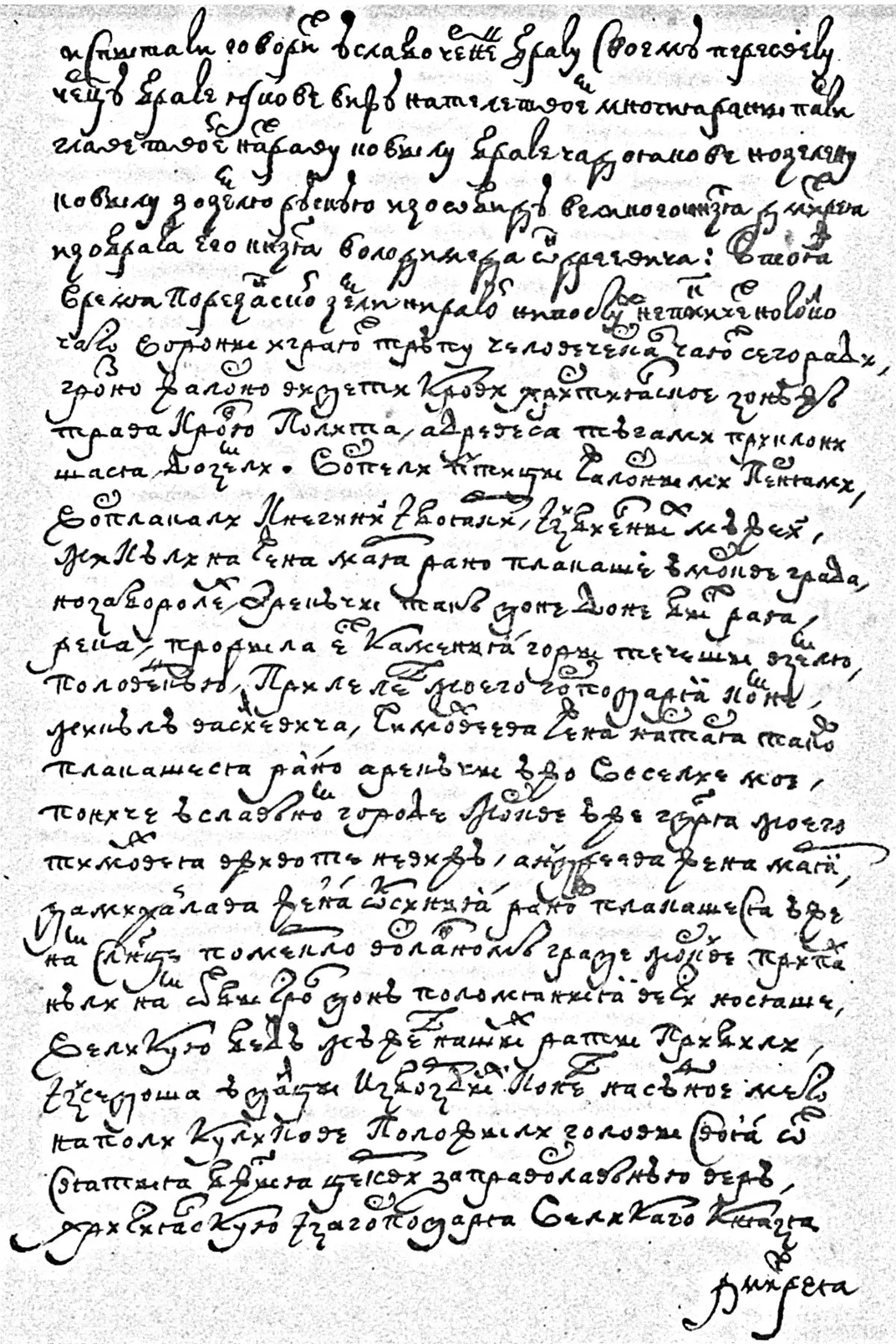
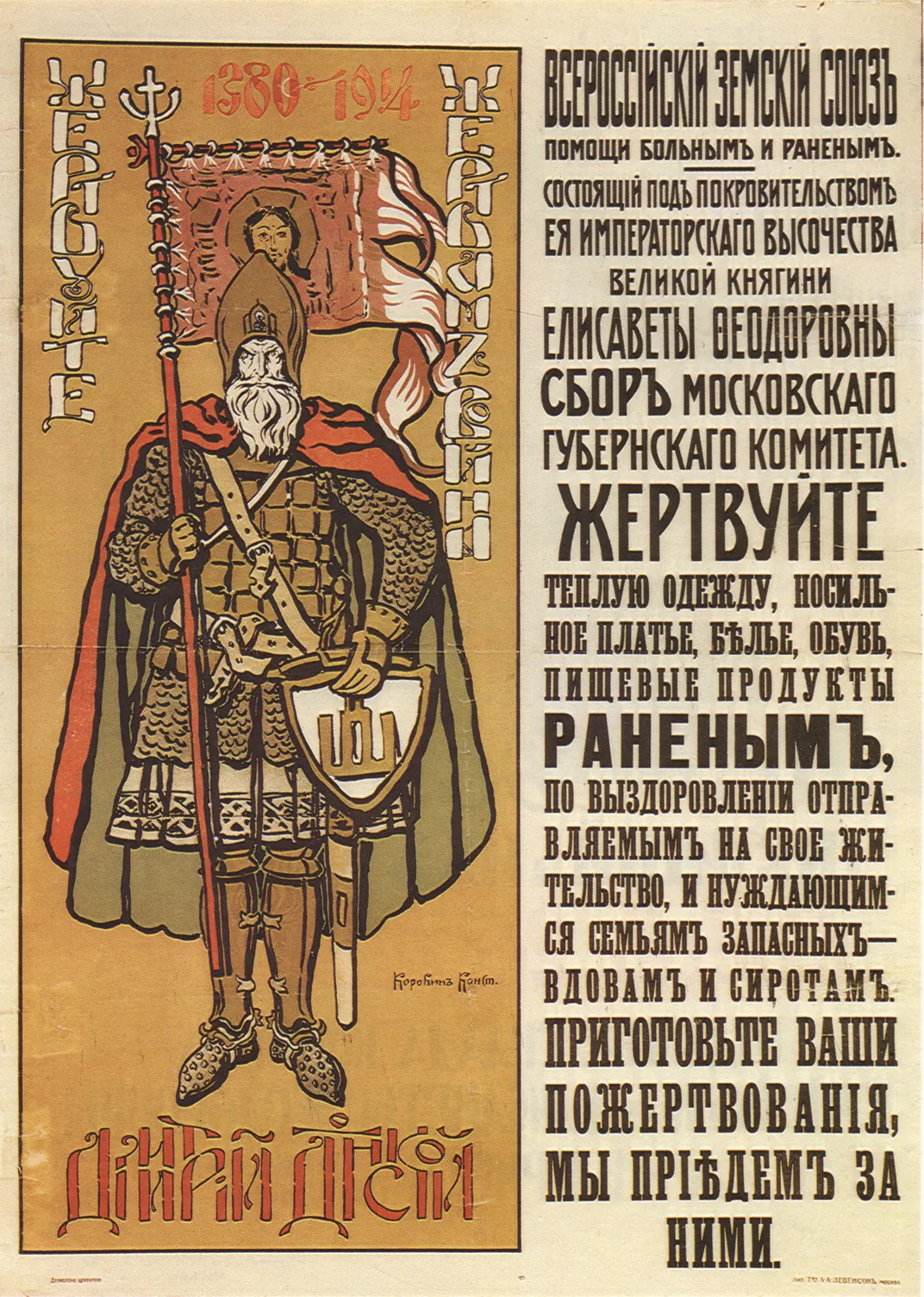
Donskoy lived in the 14th century and spent about three decades as prince of Moscow. He also held the title of grand prince of Vladimir, placing him among the most important rulers in the Russian lands of his era. The Russian Orthodox Church formally recognized him as a saint in 1988, adding a religious dimension to a reputation that had already been shaped by military history and national memory.
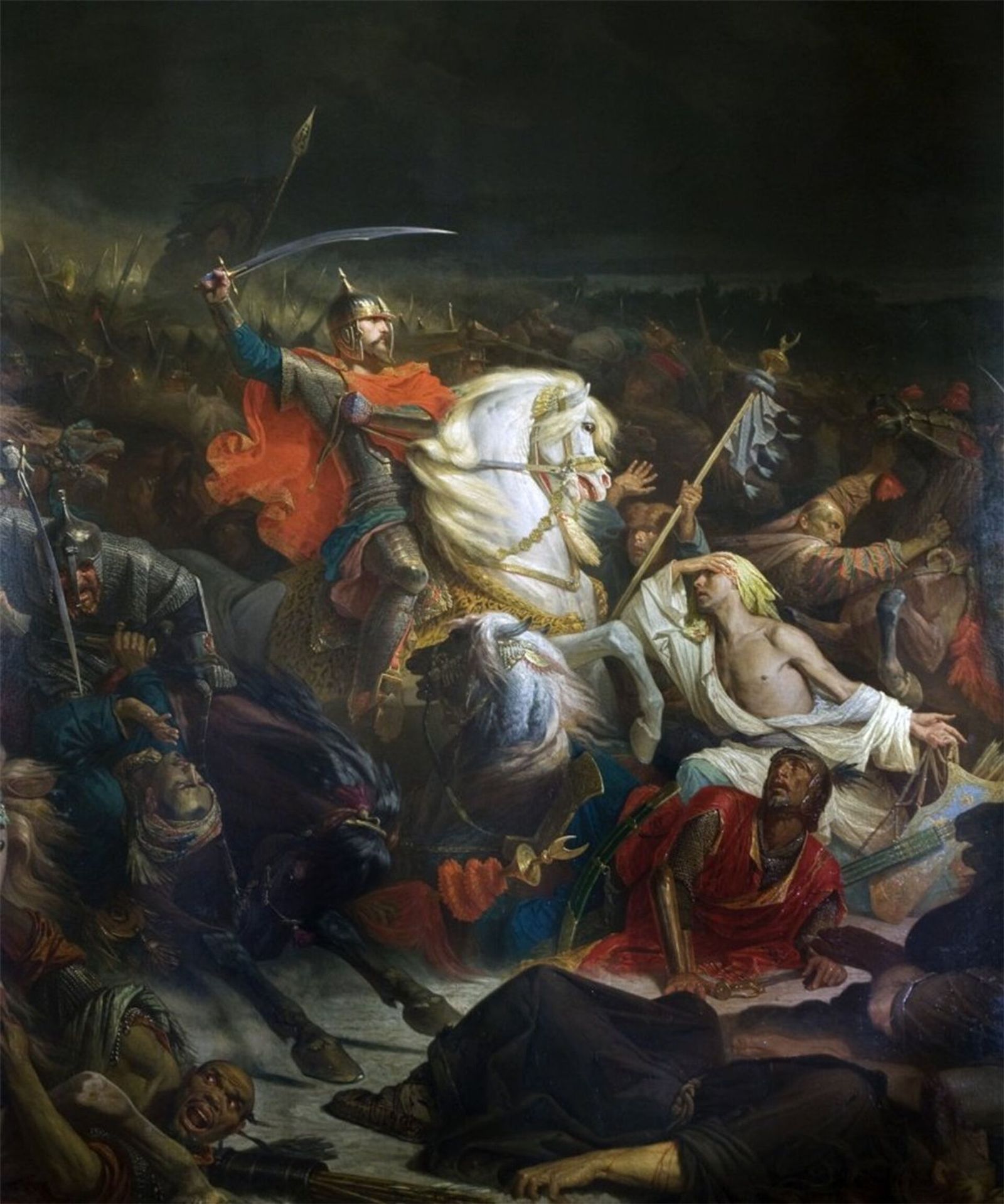
His best-known campaign came in 1380 at the Battle of Kulikovo. Donskoy commanded forces facing the Tatars of the Mongol Golden Horde, whose authority over Russian territories had lasted for more than a hundred years. The confrontation took place in a single day, and Donskoy was badly hurt; he collapsed after the fighting but lived through the battle.
The victory is commonly described as the first Russian battlefield success against Mongol rule. It did not immediately settle the political fate of the Russian lands, but it became a powerful landmark in later accounts of their movement toward independence. Donskoy’s role in that episode helped turn him into a widely celebrated Russian hero, as well as a figure whose life could be understood through both state history and Orthodox devotion. The memory of Kulikovo consequently carries more than a record of combat: it has become part of the historical language used to describe Russian endurance, leadership and eventual self-rule.
That dual status helps explain the relic’s contemporary resonance. A saint’s remains can function as an object of veneration for believers, while the identity of the saint involved also invokes a commander associated with a foundational military victory. Sending the fragment to Donetsk therefore joins religious ritual and historical memory in a setting shaped by an ongoing war. It also gives the church’s action a distinctly personal focus, since the object is identified as part of the body of an individual ruler rather than as a general military emblem.
The reliquary itself underscores the unusual nature of the gesture. Rather than a general reference to the prince’s legacy, the church has made a material remnant of him part of the event. Its ornate case and reinforced-glass cover frame the fragment as both a sacred object and a carefully preserved historical relic, intended for viewing while in the custody of forces in the region.
The episode also illustrates how historical figures can acquire changing roles long after their deaths. In the 19th century, French artist Adolphe Yvon painted Donskoy at Kulikovo in an 1849 work, reflecting the prince’s enduring place in visual and public memory. Such portrayals have reinforced an image of him as a warrior, whereas his canonization places the same figure within a different tradition of religious commemoration.
Whether the transfer will have any practical effect on troops cannot be measured from the church’s stated purpose. Its significance is instead symbolic: it connects soldiers to a revered prince whose medieval campaign has been remembered as a turning point against outside domination. Attention will now rest on how long the relic remains in Donetsk, how it is presented to units there, and whether church officials describe further uses for the remains discovered in Moscow.
Source: Smithsonian Magazine
Related articles
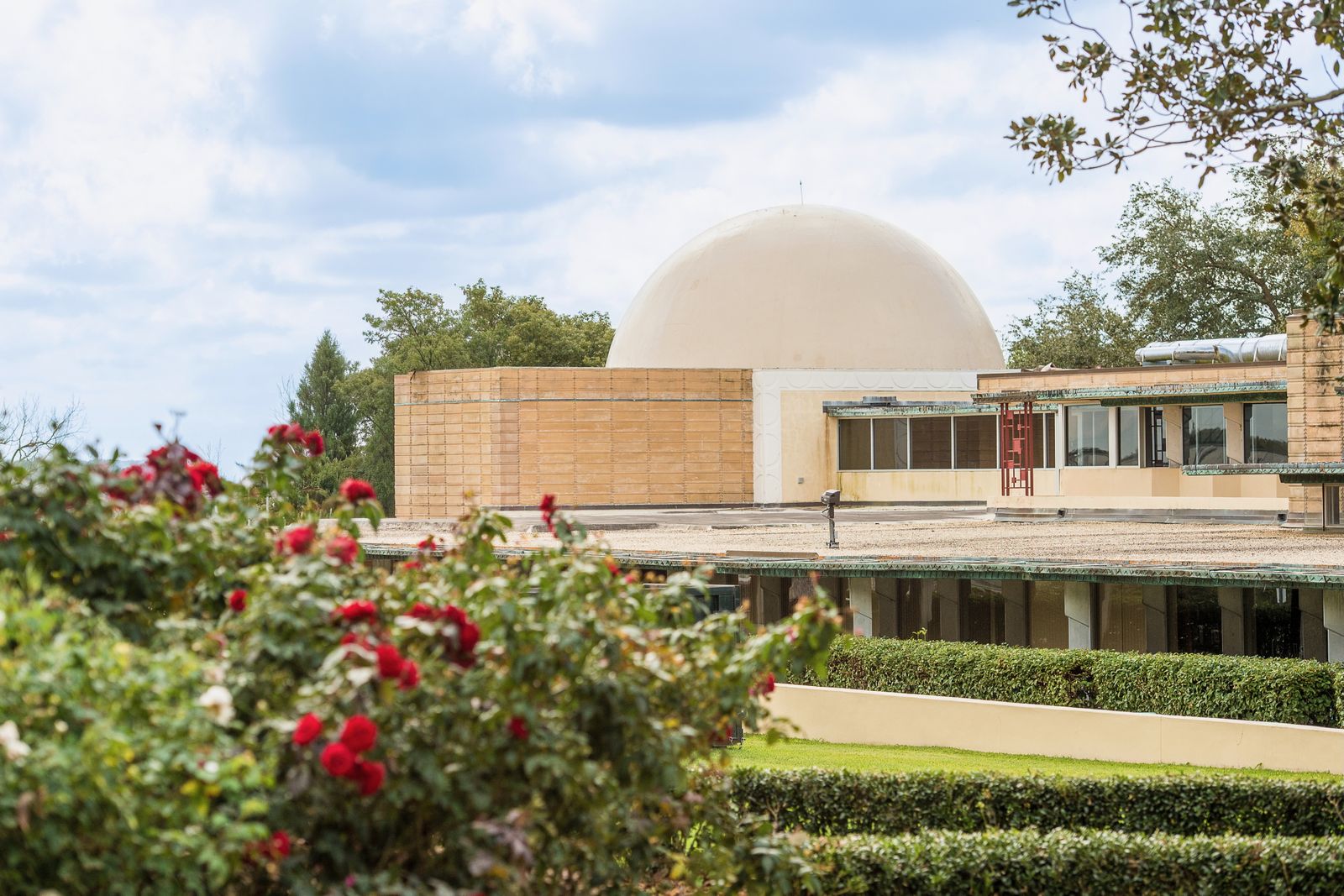
Immerse Yourself in the Cosmos at Frank Lloyd Wright's Only Planetarium, Recently Restored to Its Former Glory in Florida
Completed in 1958, the domed building is located on the campus of Florida Southern College, home to 13 Wright-designed buildings, the world's largest single-site collection of the architect's work

Play Tractor online with friends — free
Real-time Sheng Ji / Tractor for 3–5 players, with complete bidding and trump rules across web, iOS and Android.
Play bidfive →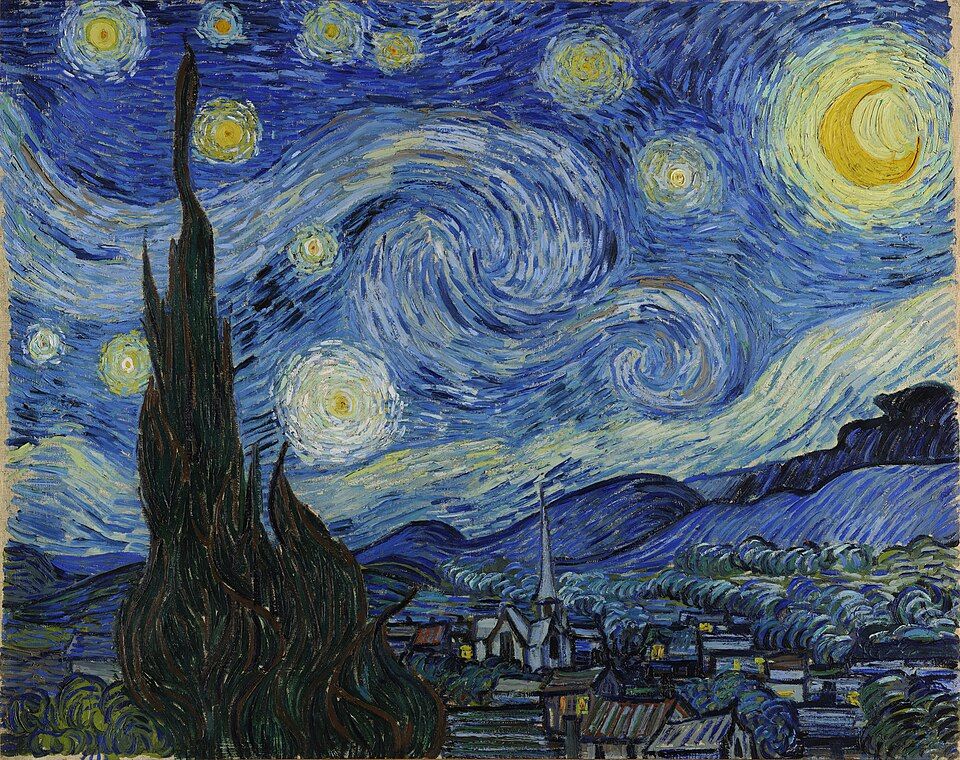
A Team of Astronomers Thinks They Have Identified the Exact Night Sky That Inspired Vincent van Gogh's 'Starry Night.' Not Everyone Is Convinced
Very few night skies seen from the south of France during the summer of 1889 would match the scene on van Gogh's canvas. A new study argues that it could have been July 22

'Pretty Boy' Floyd, One of the Most Notorious Outlaws of the Great Depression, Was Shot and Killed in an FBI Raid 92 Years Ago
Some Americans lauded the 30-year-old bank robber as a Robin Hood-esque folk hero. Others castigated him as a violent criminal whose misdeeds were emblematic of the troubled era

GTA 6 guides, updates and practical reference
Explore a Chinese GTA 6 guide library covering the release, map, characters, missions, vehicles and weapons.
Browse guides →
Create AI images with your own API key
aixipi runs on desktop/web, uses your own model API balance, and avoids subscription lock-in.
Try aixipi →