
Russia's jet-powered drones bring empty Kyiv supermarket shelves and rattle Ukrainians

Kyiv entered a fifth consecutive day of Russian attacks on Monday as strikes also hit communities across the wider area surrounding Ukraine’s capital. The sustained campaign has begun to affect more than sleep and travel: damage to warehouse networks has disrupted deliveries, and some grocery stores have been left with visibly reduced supplies. Ukrainians have faced repeated air-raid warnings while trying to maintain ordinary routines amid a new wave of assaults involving jet-powered drones.
The immediate concern in the capital region is the pressure on daily life as well as the danger from the strikes themselves. Warehouses are a crucial link between producers, distributors and neighborhood shops. When they are repeatedly hit, retailers can struggle to replenish basic goods even if stores themselves remain open. Empty spaces on shelves have become a tangible sign of how a prolonged aerial campaign can reach into households far from the front line.

Russia’s attacks have not been confined to Kyiv. An image distributed by Ukraine’s emergency service showed damage at a residential building in central Sloviansk, in the Donetsk region, after what authorities described as a Russian guided-bomb strike. The photograph was dated Monday, Aug. 31, and illustrated the continuing risk to civilian neighborhoods in a city that lies far from the capital but remains exposed to the wider war.
The latest barrage comes after Russia stepped up aerial operations in recent months, more than four years after launching its full-scale invasion of Ukraine. The conflict has evolved repeatedly during that period, with both sides placing increasing emphasis on drones and long-range attacks. Ukraine, for its part, has used drone operations in the air and at sea to challenge Russia’s hold over Crimea, while Russia has continued to direct large-scale aerial pressure at Ukrainian territory.
For residents of Kyiv and nearby towns, the recent pattern has meant alarms that arrive with little respite. Frequent warnings can interrupt work, schooling, transport and rest, forcing people to make repeated decisions about whether to seek shelter. The disruption is cumulative: even when an alert does not lead to visible damage in a particular neighborhood, the uncertainty can reshape schedules and complicate the movement of people and goods across the region.
The scale of recent casualties underlines why the alerts carry such weight. Two major Russian attacks in July killed nearly 50 civilians, according to the reported toll. Another strike on Saturday killed at least 38 people. Those figures reflect the human cost of attacks that can affect densely populated places, while the full consequences of any new wave may not be clear until emergency crews assess damaged sites and authorities complete casualty reporting.
The use of jet-propelled drones has added another source of anxiety for Ukrainians already accustomed to conventional missiles, guided bombs and slower unmanned aircraft. Their arrival does not change the central challenge facing civilians: warnings may come repeatedly, but the timing, destination and impact of an attack can remain uncertain. That uncertainty has broader economic effects when workers, transport routes and storage facilities must repeatedly adapt to security threats.
There is also an important limitation to what supermarket shortages can show. Bare shelves in some locations do not necessarily mean supplies have disappeared across the entire city or country. They do, however, point to localized strain in distribution after strikes on storage facilities. The next question will be whether delivery networks can restore regular stock quickly, or whether continued attacks on logistics sites extend disruptions for more residents.
Ukraine’s authorities and emergency services are likely to keep assessing damage in Kyiv, the surrounding region and places such as Sloviansk as the attacks continue. For civilians, the immediate outlook depends on whether Russia sustains the current tempo of aerial operations and whether protective measures can limit further casualties and damage. The recent attacks have shown that the consequences of the war are measured not only in destroyed buildings and official death tolls, but also in the increasingly fragile routines of people trying to buy food, travel and sleep safely.
Source: NPR World
Related articles
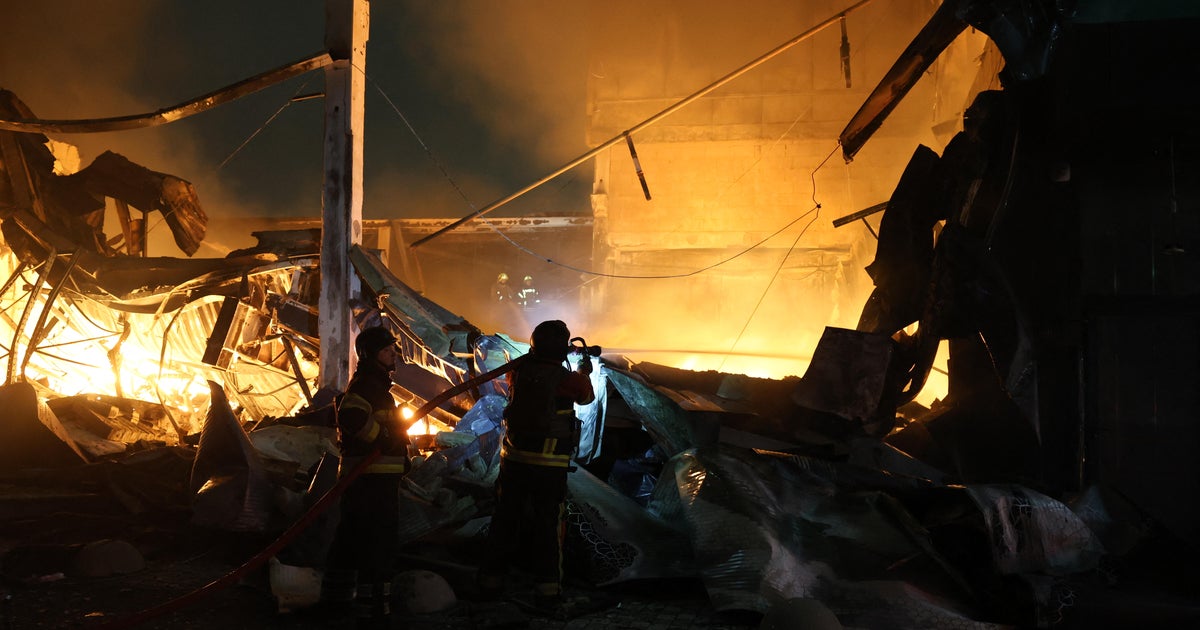
Zelenskyy accuses Russia of using cluster warheads in deadly strikes
Russia launched the strikes on Ukraine less than a day after negotiations to end the war, which also involved the United States, ended in St. Petersburg.

Create AI images with your own API key
aixipi runs on desktop/web, uses your own model API balance, and avoids subscription lock-in.
Try aixipi →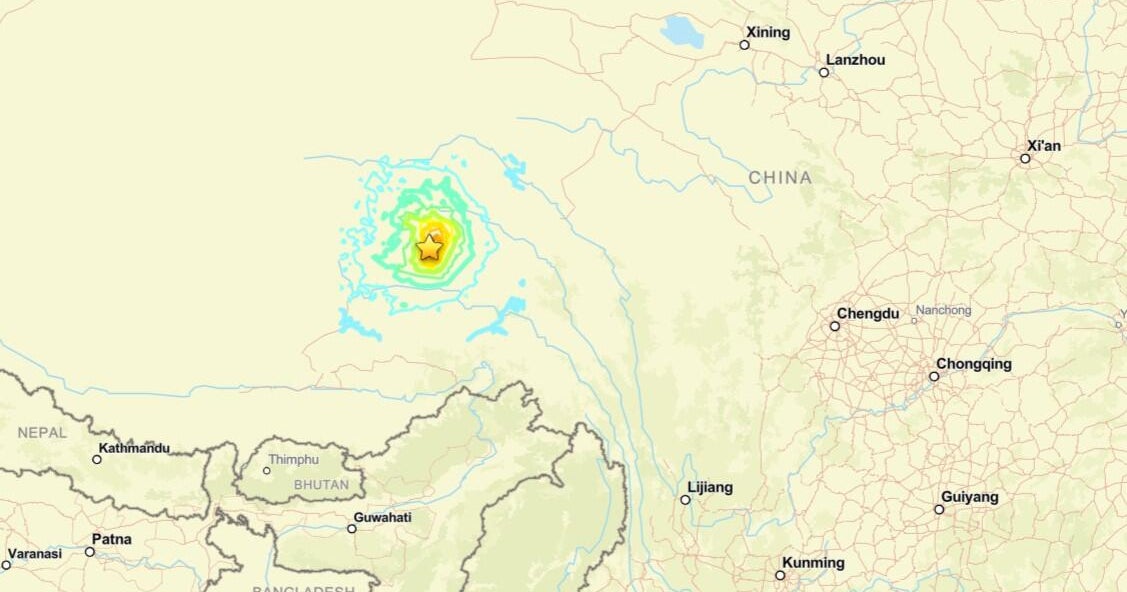
At least 16 dead when powerful 7.0 magnitude earthquake strikes Tibet
It was the biggest earthquake in the region in the last five years, China

See how Big Tech is transforming Spain's landscape
A drought-stricken region of northeast Spain has become a focus for American companies searching for locations to place their data centers.