
Scientists Find a Trove of Denisovan Fossils and Tools in Southwest China, Giving an Unprecedented Glimpse Into Our Extinct Cousins' Lives
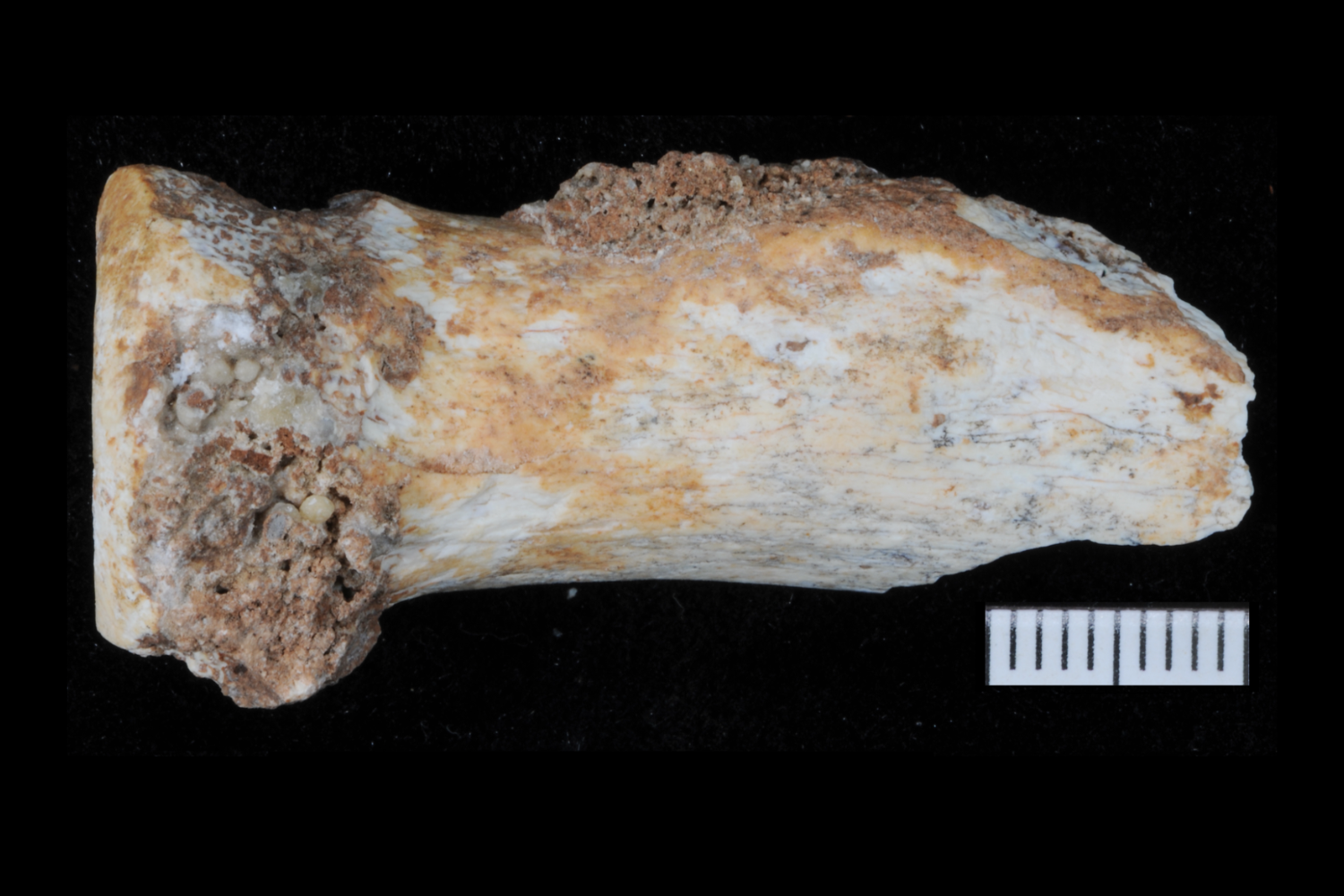
A newly reported cache from a cave in southwest China is expanding the scant physical record of Denisovans, an extinct branch of the human family. Two studies published in Nature on September 9 describe seven fossils attributed to the group, alongside more than 1,300 artifacts made from stone and bone. The material also includes animal remains associated with the inhabitants, giving researchers a rare opportunity to consider bodies, technology and food-related evidence together rather than from isolated finds.
The scale of the collection matters because Denisovans have long been far easier to identify genetically than anatomically. Researchers have had only a limited number of fossils to work with, and no discovery has produced anything close to a complete skeleton. That shortage has left many basic questions about their appearance and daily existence unresolved, even as their name has become familiar in accounts of ancient human populations.
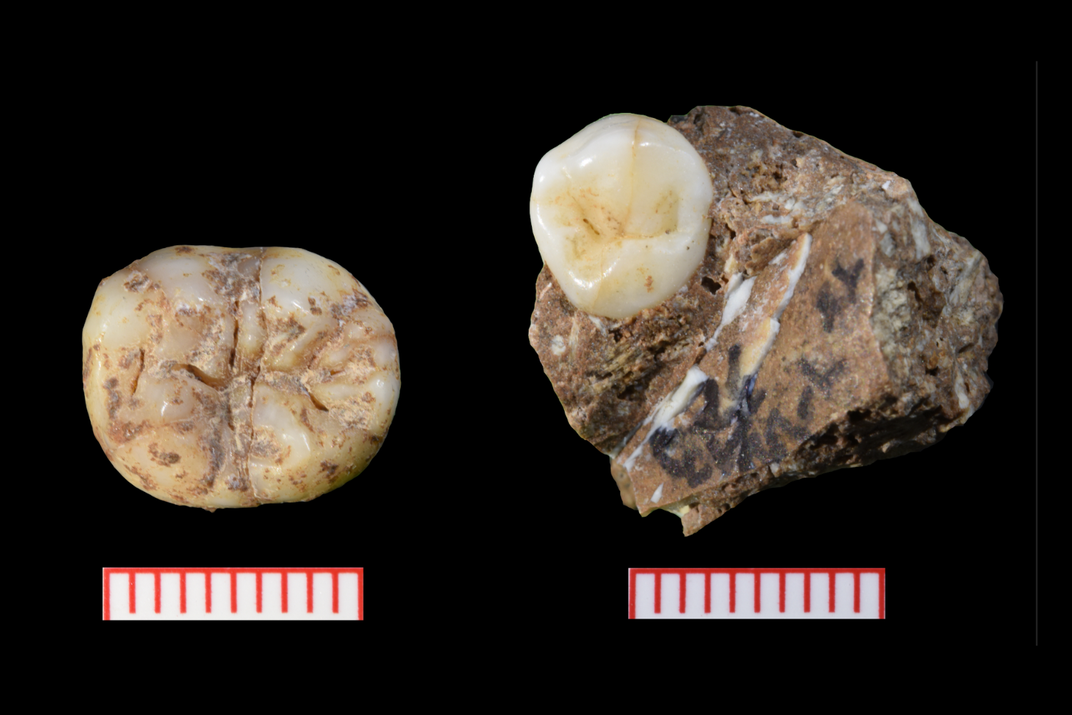
Among the newly described bones is a fragment of a radius, the forearm bone. It is the first Denisovan radius to be identified, according to the research material. A single element cannot supply a full portrait of an individual or population, but it enlarges the set of skeletal parts available for comparison. In a field built from fragmentary remains, each securely assigned bone can help narrow the distance between genetic evidence and physical description.
The Denisovan story entered public view in 2010, when scientists analyzing DNA obtained from an ancient finger bone concluded that it came from a previously unrecognized human relative. That specimen had been recovered at Denisova Cave in Siberia. The population was initially known by the informal name Denisovans and is now formally designated Homo longi, linking the new Chinese evidence to a lineage first recognized through molecular analysis.
Evidence so far places these ancient relatives in Asia over a broad span, from roughly 400,000 years ago until about 30,000 years ago. Yet the length of that interval has not been matched by an equally rich fossil archive. Scientists have recovered thousands of remains from Neanderthals, another close human relative, while Denisovan bones have remained exceptional finds. The imbalance helps explain why a group known through its DNA has continued to appear elusive in the archaeological record.
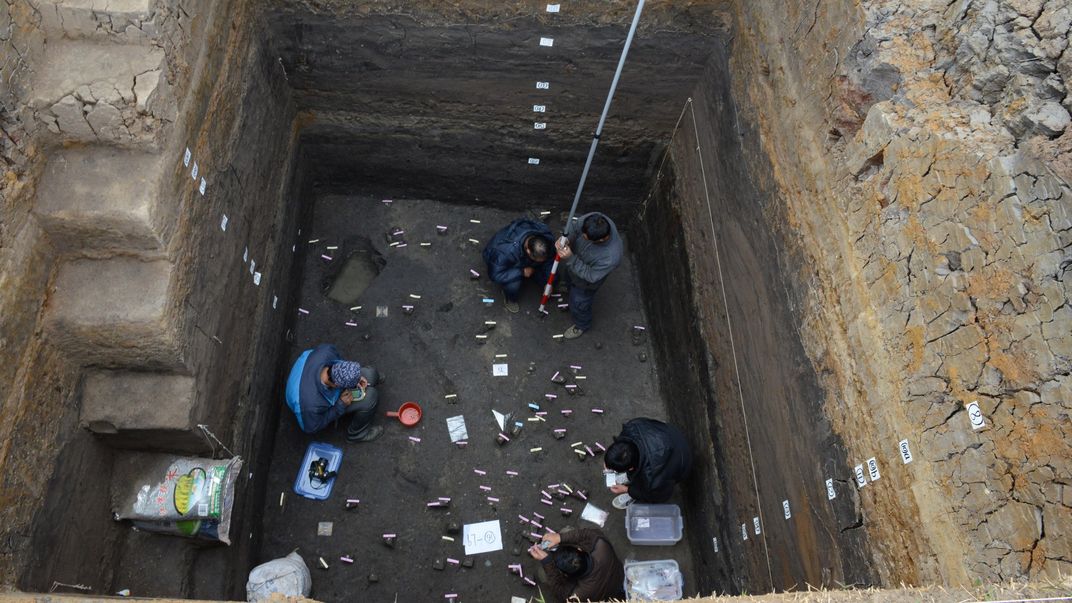
The southwest China cave changes the evidentiary picture not because it delivers a complete Denisovan body, but because it brings several categories of remains into one setting. The seven fossils are accompanied by a large assemblage of implements and by animal material connected with the people who occupied the site. Read together, those traces can offer more than a bone or tool found alone: they place physical remains in the practical context of a place where ancient humans worked and used animals.
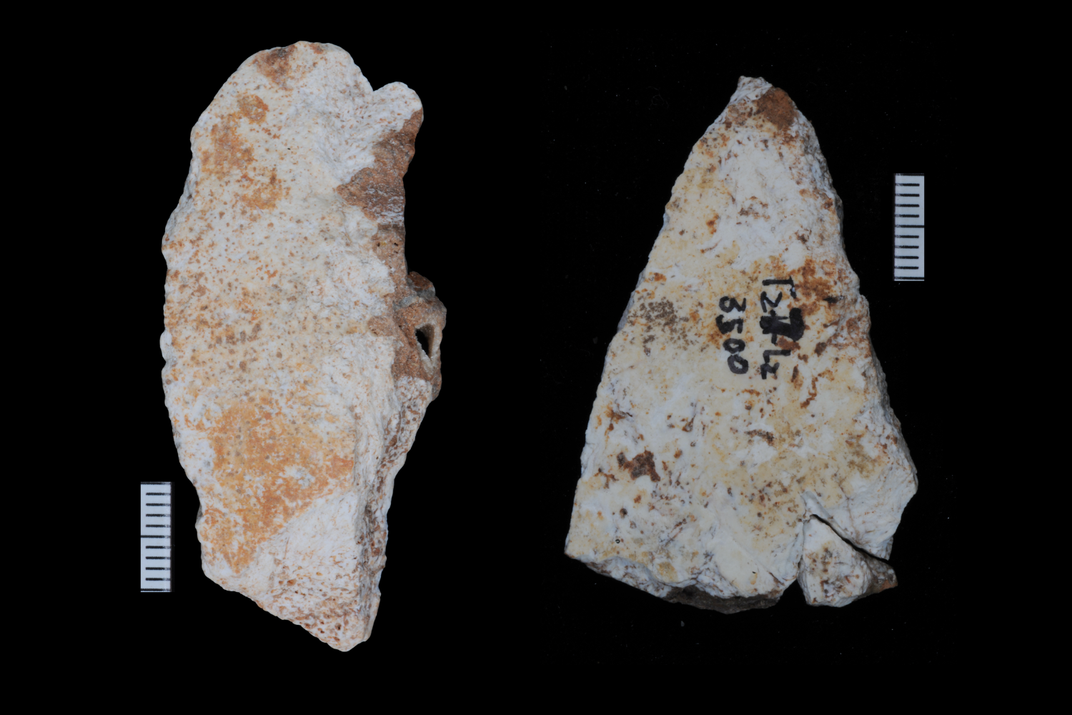
The studies indicate that Denisovans returned to or remained at the cave across tens of thousands of years. Such long-term use gives the location unusual value for examining continuity as well as individual discoveries. Instead of representing only a brief encounter with the group, the deposits preserve a record extending through a substantial period. The tools and animal remains are therefore central to the findings, not merely supporting objects beside the fossils.
Even with this expanded collection, important limits remain. Seven fossils and an unprecedented tool assemblage do not erase the absence of a near-complete skeleton, nor do they answer every question raised by the lineage's long Asian history. Conclusions about Denisovan physical traits and ways of life will need to be weighed against the small number of known remains. The new work is best understood as a major addition to an incomplete record, rather than a final account of these extinct relatives.
What comes next will depend on how researchers connect this cave record with other Asian discoveries and with the genetic evidence that first revealed the group. The immediate significance is more concrete: a single site now supplies fossil, artifact and animal evidence on a scale previously unavailable for Denisovans. That combination may allow future investigations to test ideas about their bodies and activities with a fuller archaeological context than the field has had before.
Source: Smithsonian Magazine
Related articles

Immerse Yourself in the Cosmos at Frank Lloyd Wright's Only Planetarium, Recently Restored to Its Former Glory in Florida
Completed in 1958, the domed building is located on the campus of Florida Southern College, home to 13 Wright-designed buildings, the world's largest single-site collection of the architect's work

Play Tractor online with friends — free
Real-time Sheng Ji / Tractor for 3–5 players, with complete bidding and trump rules across web, iOS and Android.
Play bidfive →
A Team of Astronomers Thinks They Have Identified the Exact Night Sky That Inspired Vincent van Gogh's 'Starry Night.' Not Everyone Is Convinced
Very few night skies seen from the south of France during the summer of 1889 would match the scene on van Gogh's canvas. A new study argues that it could have been July 22

'Pretty Boy' Floyd, One of the Most Notorious Outlaws of the Great Depression, Was Shot and Killed in an FBI Raid 92 Years Ago
Some Americans lauded the 30-year-old bank robber as a Robin Hood-esque folk hero. Others castigated him as a violent criminal whose misdeeds were emblematic of the troubled era

GTA 6 guides, updates and practical reference
Explore a Chinese GTA 6 guide library covering the release, map, characters, missions, vehicles and weapons.
Browse guides →
Create AI images with your own API key
aixipi runs on desktop/web, uses your own model API balance, and avoids subscription lock-in.
Try aixipi →