
See Nine Stunning Images from This Year's Ocean Photographer of the Year Contest That Show the Majesty of Marine Life
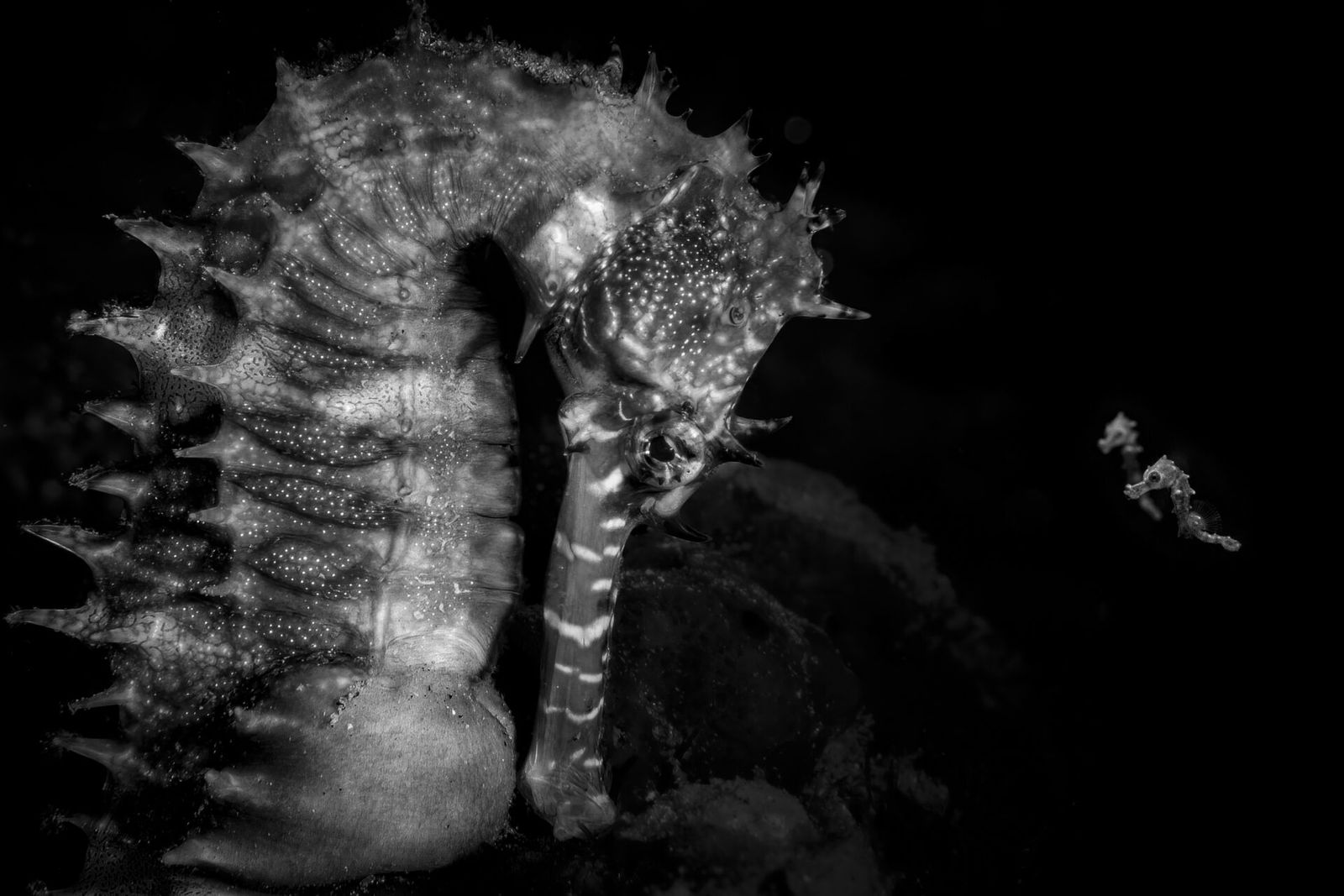
Julien Anton has been named Ocean Photographer of the Year 2026 after his black-and-white photograph of a male seahorse and two newly born young in French Polynesia won the competition’s top prize. The image also took first place in the wildlife category, placing an intimate marine encounter at the center of an annual contest intended to bring the ocean’s splendor, and the threats around it, before a broad audience.
Anton made the winning picture in the waters off Moorea, an island in French Polynesia. It shows an adult male seahorse facing two tiny juveniles shortly after their arrival. The photograph invites a human reading of the scene: the adult seems to pause over the pair as they depart into open water, like a parent watching children leave. Whether the three animals are biologically connected, however, is not known.
That uncertainty matters because wildlife photographs can stir emotions beyond what a single frame can demonstrate. The image captures a real moment involving the animals, but it cannot confirm kinship or intention. Its power instead comes from the adult’s apparent stillness alongside the juveniles’ fragility, while also suggesting that a scene which looks gentle may mark the beginning of a far tougher contest for survival.
Seahorse reproduction gives the image further context. Following a courtship ritual and successful mating, a female places mature eggs into a pouch carried by the male. The eggs are fertilized there, and the male then holds the developing young until birth. He may release as many as 2,000 babies in one event, although relatively few of those young animals will survive long enough to become adults.
The photograph consequently offers more than a close view of an unusual species. For young seahorses, separation from the male’s brood pouch signals entry into an environment where their prospects are uncertain. Anton’s frame does not reveal what became of the two juveniles. But it conveys the scale of their vulnerability through a personal-looking encounter, rather than through a chart, a population estimate or an abstract description of marine life.
Oceanographic magazine and the watchmaker Blancpain jointly stage the Ocean Photographer of the Year awards each year. The contest is presented as both a celebration of the sea’s visual richness and a means of drawing attention to the risks confronting ocean ecosystems and the creatures within them. That paired mission places the winning image between appreciation and warning: viewers are invited to admire marine life while considering the conditions needed for it to endure.
A panel made up of photography professionals, editors, and museum and gallery curators chooses the overall recipient and winners across nine categories. The makeup of the jury brings multiple perspectives to the process, encompassing visual craft, photographic storytelling, and the ability of an image to communicate something consequential about the underwater world. Even so, the seahorse photograph leaves room for interpretation, particularly around the relationship between the animals it depicts.
Anton’s winning result shows how one competition entry can work on two levels. At first sight, the apparent exchange between the adult seahorse and the young offers a graceful, uncommon portrait of marine life. With more attention, it also points to the precarious odds confronting animals at their earliest stage. As the 2026 selections reach viewers, their significance will rest not only on their visual appeal, but on the larger question the awards raise about safeguarding the ocean life that makes such images possible.
Source: Smithsonian Magazine
Related articles
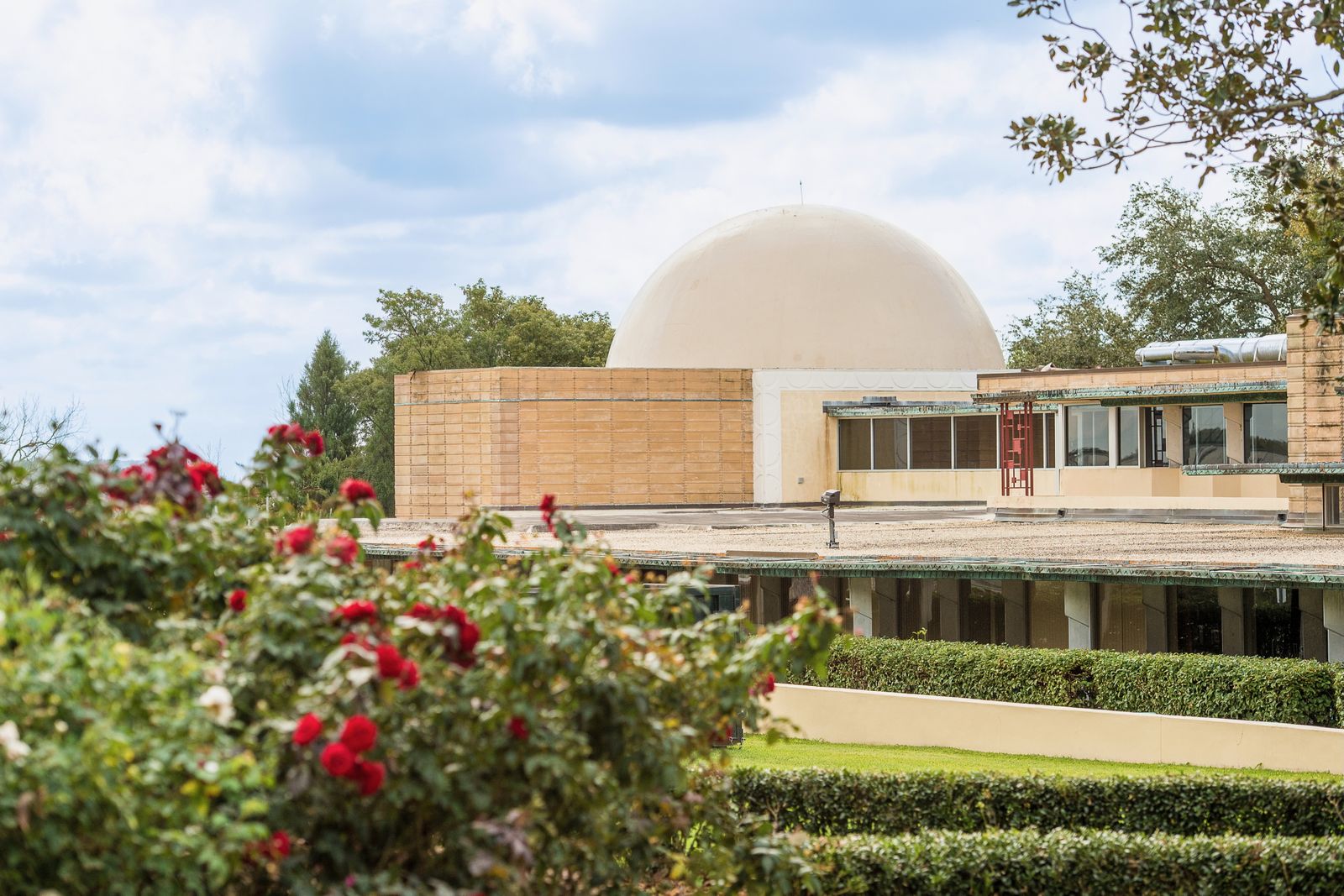
Immerse Yourself in the Cosmos at Frank Lloyd Wright's Only Planetarium, Recently Restored to Its Former Glory in Florida
Completed in 1958, the domed building is located on the campus of Florida Southern College, home to 13 Wright-designed buildings, the world's largest single-site collection of the architect's work

Play Tractor online with friends — free
Real-time Sheng Ji / Tractor for 3–5 players, with complete bidding and trump rules across web, iOS and Android.
Play bidfive →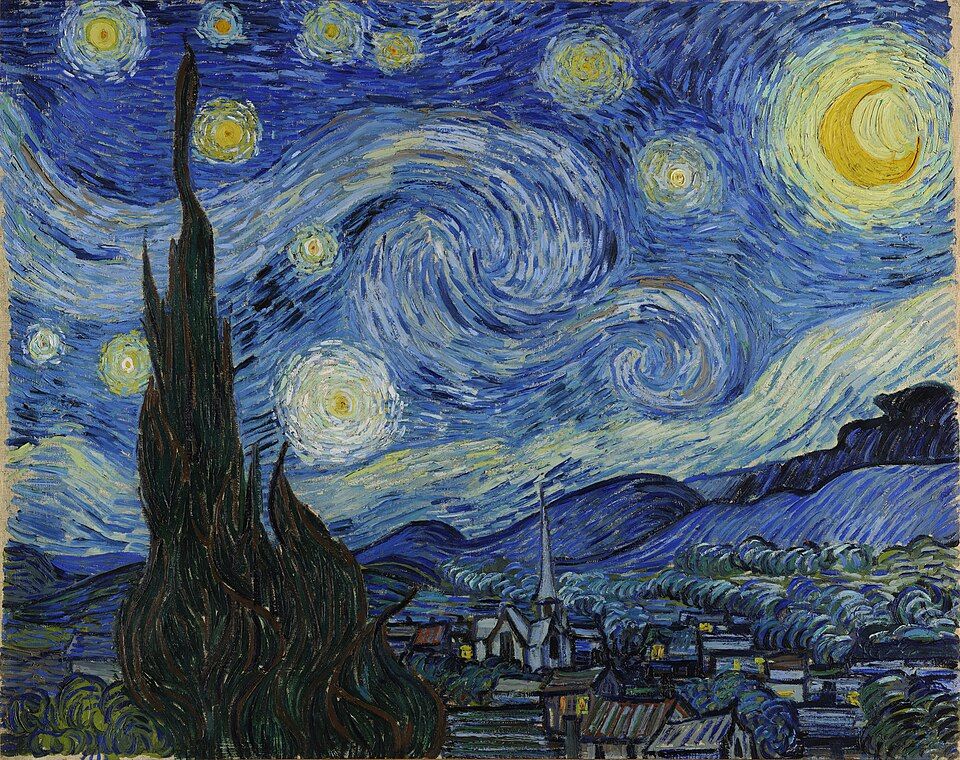
A Team of Astronomers Thinks They Have Identified the Exact Night Sky That Inspired Vincent van Gogh's 'Starry Night.' Not Everyone Is Convinced
Very few night skies seen from the south of France during the summer of 1889 would match the scene on van Gogh's canvas. A new study argues that it could have been July 22

'Pretty Boy' Floyd, One of the Most Notorious Outlaws of the Great Depression, Was Shot and Killed in an FBI Raid 92 Years Ago
Some Americans lauded the 30-year-old bank robber as a Robin Hood-esque folk hero. Others castigated him as a violent criminal whose misdeeds were emblematic of the troubled era

GTA 6 guides, updates and practical reference
Explore a Chinese GTA 6 guide library covering the release, map, characters, missions, vehicles and weapons.
Browse guides →
Create AI images with your own API key
aixipi runs on desktop/web, uses your own model API balance, and avoids subscription lock-in.
Try aixipi →