
Six Ways That People of the Past Used Magic to Protect Their Homes, From Witch Bottles to Mystical Symbols
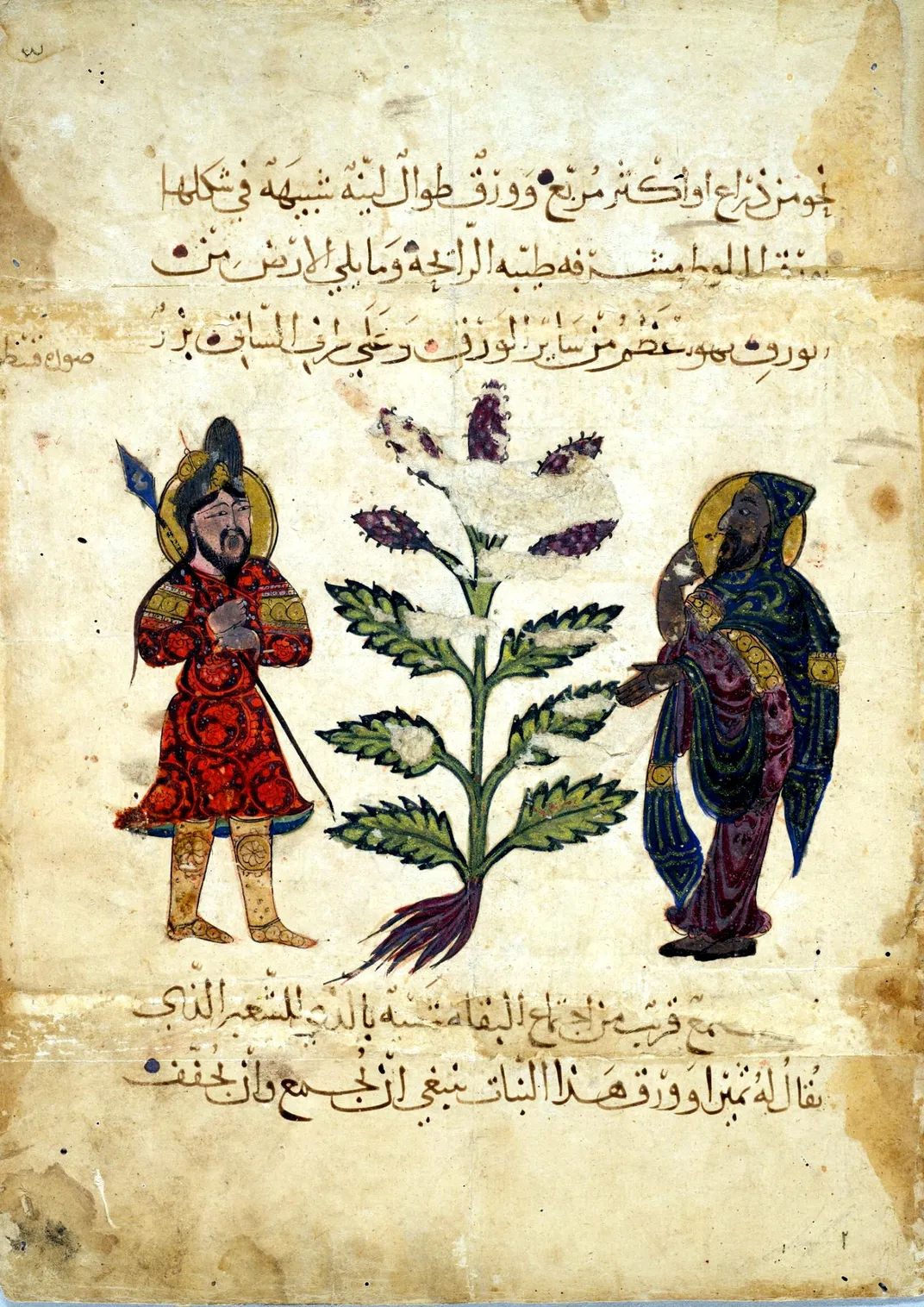
New historical research is bringing renewed attention to the ways households once sought supernatural protection for their homes. Across different societies and periods, people placed meaning in objects as varied as unusual stones, herbs, other plants and decorative tiles depicting frightening beings. These items were not simply ornaments: they could be understood as barriers against danger, helping protect a house, its surrounding grounds and the people living within.
The subject is part of a growing field of inquiry for historians and archaeologists, who are examining how magical and mystical practices were woven into built spaces. Rather than treating a dwelling as only a physical structure, this work considers how residents attempted to secure doorways, rooms, gardens and domestic life through objects, marks and rituals whose purpose was protective.
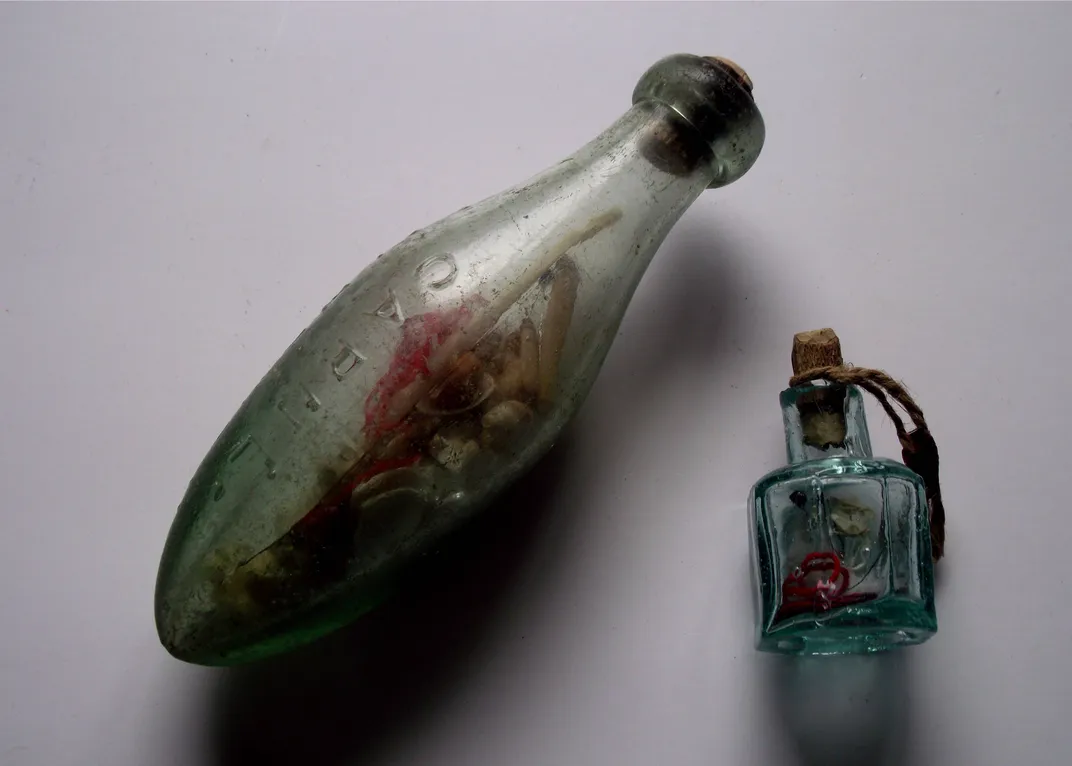
The practices now associated with witch bottles and mystical signs belong to a much broader history. Magic has appeared in nearly every era and culture in many forms, with uses that could differ sharply by place and circumstance. Its persistence makes it a revealing part of human life: the same impulse to manage uncertainty could be expressed through a small object, a plant, a symbol or a decorative image.
That variety matters when interpreting protective material found in or near old homes. A stone, plant or tile may have had an everyday use as well as a symbolic one, and its meaning depended on the people who placed it there. The emerging research therefore looks beyond a single universal explanation and asks how a household’s surroundings, fears and local traditions may have shaped its choices. It also shifts attention from spectacular tales of witchcraft toward the quieter ways supernatural ideas could enter ordinary domestic settings.
Fire was one especially urgent concern in early modern Europe. Reports from the period described towns said to have been set alight through “incendiary witchcraft” or by demons believed to start fires. In an age when homes could burn with alarming ease, such accounts gave supernatural danger a direct connection to a threat that residents already knew was real.
One reported case concerned Schiltach, Germany, where an arson episode was said to have occurred in 1533. Whether such reports are approached as evidence of belief, fear or accusation, they show the atmosphere in which protective measures gained importance. For households confronting combustible buildings, safeguarding fire-related parts of a home could carry both practical and spiritual weight.
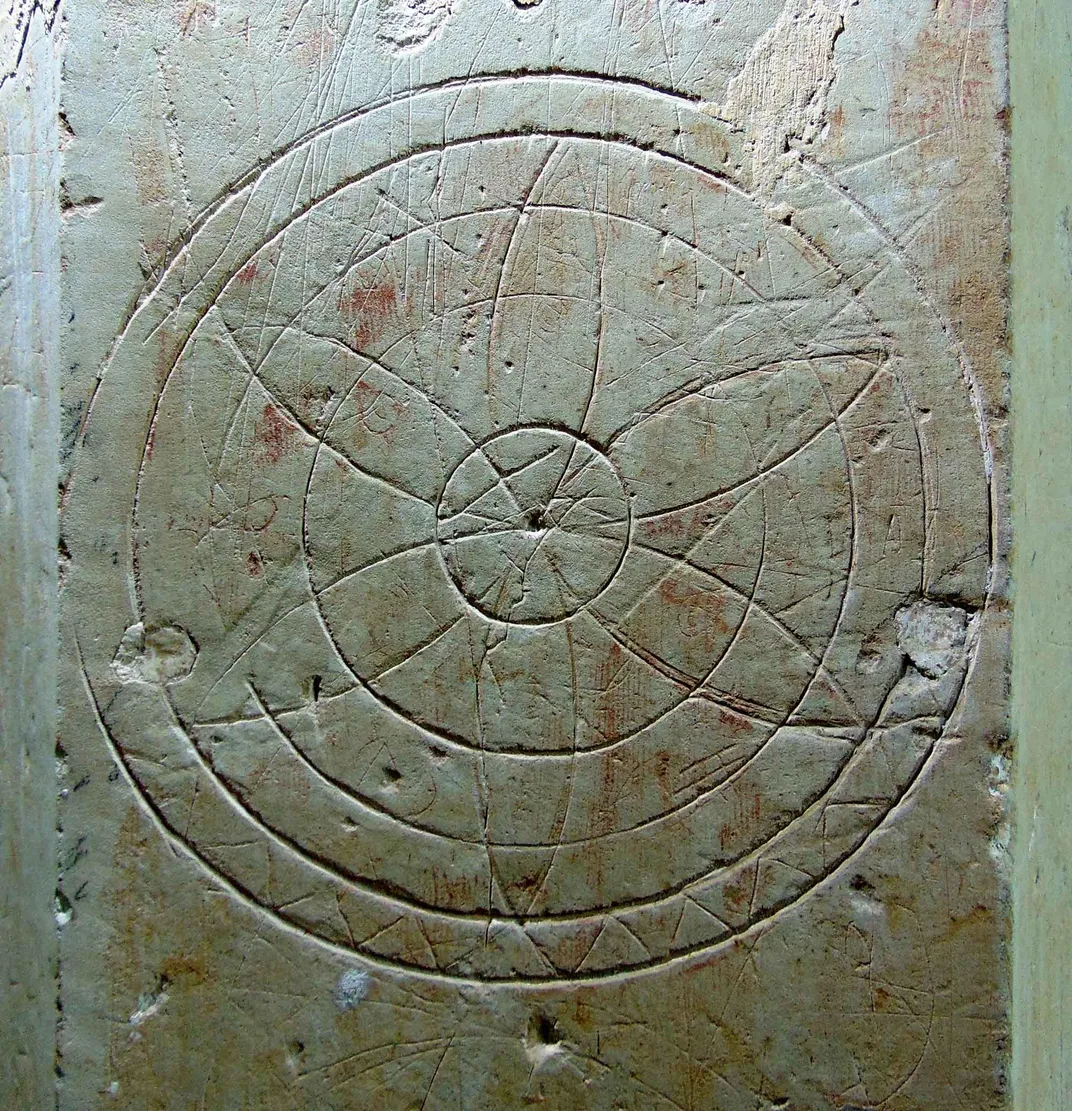
Chimneys and the areas around hearths consequently became prominent places for domestic protection. They were central to heating and cooking, but they also represented a route through which fire could spread. The focus on these parts of the house illustrates how protective magic was tied to the particular vulnerabilities of daily life rather than detached from them. A household’s defensive measures could therefore be shaped by the places where ordinary routines and perceived threats met most directly.
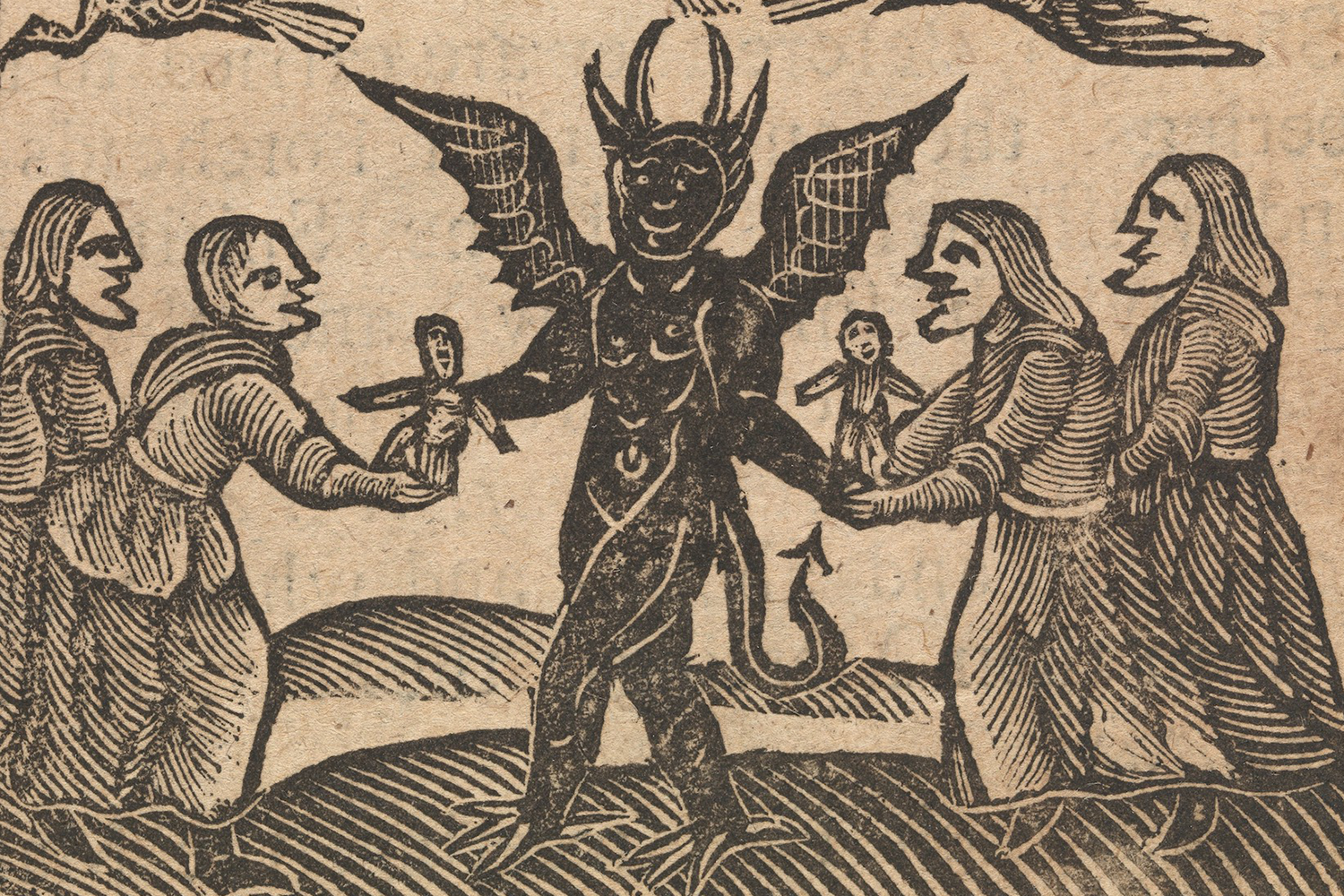
Visual evidence also records the era’s imagination of witchcraft. A public-domain illustration in the 1720 book The History of Witches and Wizards, available through Wikimedia Commons, shows witches presenting wax figures to the devil during a ritual. Such imagery does not by itself establish what every household did, but it reflects the powerful place that spells, ritual objects and feared supernatural forces held in contemporary culture.
As the study of protective practices develops, the central question is likely to be less whether every object had one fixed magical meaning than how people made homes feel safer amid everyday risk. The evidence points to a domestic world in which material objects and mystical ideas could overlap. It also invites caution: surviving items and dramatic accounts illuminate belief, but they do not erase differences among regions, households and historical moments. Future research may further clarify how these protective traditions were understood by the people who used them.
Source: Smithsonian Magazine
Related articles

Immerse Yourself in the Cosmos at Frank Lloyd Wright's Only Planetarium, Recently Restored to Its Former Glory in Florida
Completed in 1958, the domed building is located on the campus of Florida Southern College, home to 13 Wright-designed buildings, the world's largest single-site collection of the architect's work

Play Tractor online with friends — free
Real-time Sheng Ji / Tractor for 3–5 players, with complete bidding and trump rules across web, iOS and Android.
Play bidfive →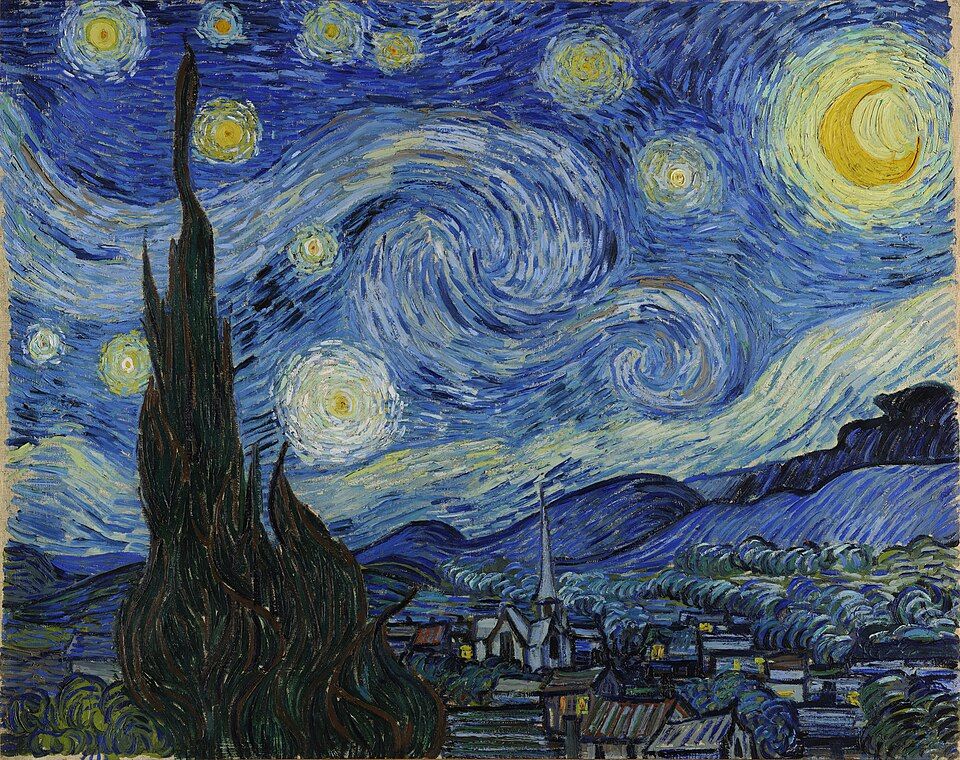
A Team of Astronomers Thinks They Have Identified the Exact Night Sky That Inspired Vincent van Gogh's 'Starry Night.' Not Everyone Is Convinced
Very few night skies seen from the south of France during the summer of 1889 would match the scene on van Gogh's canvas. A new study argues that it could have been July 22

'Pretty Boy' Floyd, One of the Most Notorious Outlaws of the Great Depression, Was Shot and Killed in an FBI Raid 92 Years Ago
Some Americans lauded the 30-year-old bank robber as a Robin Hood-esque folk hero. Others castigated him as a violent criminal whose misdeeds were emblematic of the troubled era

GTA 6 guides, updates and practical reference
Explore a Chinese GTA 6 guide library covering the release, map, characters, missions, vehicles and weapons.
Browse guides →
Create AI images with your own API key
aixipi runs on desktop/web, uses your own model API balance, and avoids subscription lock-in.
Try aixipi →