
Some Fish in the Great Lakes Might Be More Than 400 Years Old, a Study Suggests, Outliving Around 15 Generations of Humans
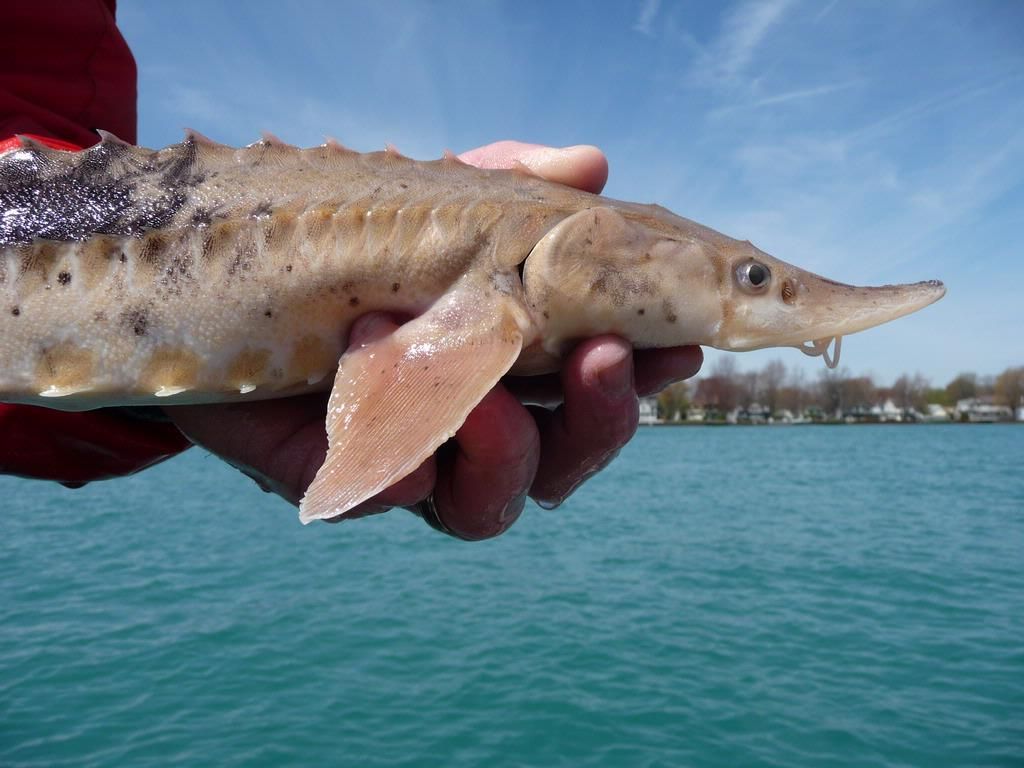
A new analysis has raised the possibility that a familiar Great Lakes fish has been living on a timescale almost beyond ordinary human experience. Lake sturgeon, a species found in the region, may include males capable of surviving for as long as 435 years and perhaps longer. If that upper estimate holds, some individuals could be more than four centuries old—an interval comparable to roughly 15 human generations. The result would make the fish an exceptional case among vertebrate animals, while also reopening a fundamental question: how long can lake sturgeon truly live?
The findings appeared this year in the Journal of Fish Biology and concern Acipenser fulvescens, the lake sturgeon. The researchers’ estimate for male longevity sharply exceeds the record previously associated with the species. At 435 years, the proposed maximum is close to three times the age of the oldest lake sturgeon that had been known before. That scale is central to the study’s significance, not simply because it adds years to a species profile, but because it changes the range scientists may need to consider when evaluating its life history.
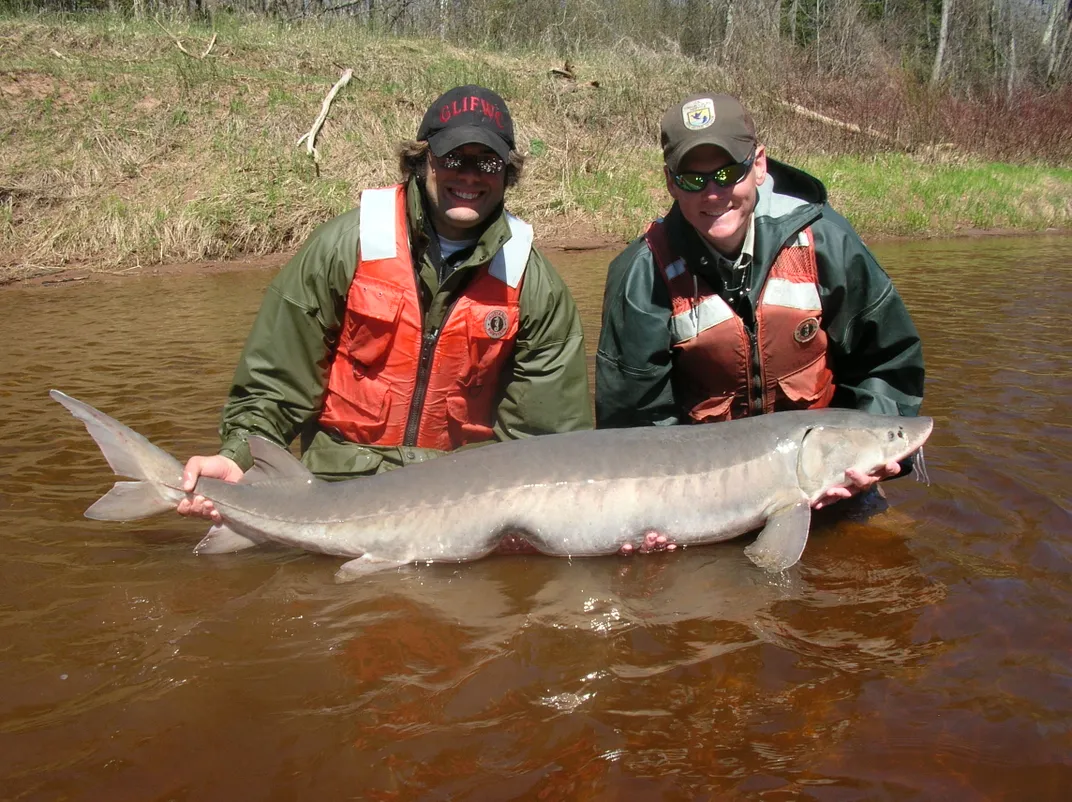
The work does not establish that every lake sturgeon reaches such an age, nor does it settle the matter conclusively for males at the upper end of the estimate. Its authors explicitly call for additional investigation to test and clarify the proposed lifespan. That caution matters because an extraordinary longevity claim requires further scrutiny before it can be treated as a final description of the species. For now, the paper presents a striking possibility rather than a closed case.
Even in that provisional form, the research places lake sturgeon in rare company. The study’s implications suggest they could rank among the longest-lived vertebrates known, with only Greenland sharks ahead of them. Such a comparison gives a general audience a sense of the proposed change: the question is no longer merely whether a Great Lakes fish can outlive a human lifetime, but whether it might endure across many of them. A fish born centuries earlier would have persisted through a span of family histories that no single person could experience.
That prospect also recasts the Great Lakes as a setting that may hold living links to a much more distant past. The new estimate does not identify a particular fish or prove that any one individual has reached four centuries. But it does mean that fish in those waters could potentially have begun life far earlier than conventional expectations for the species allowed. The distinction between a possibility supported by a study and a confirmed individual record will be important as the research is examined further.
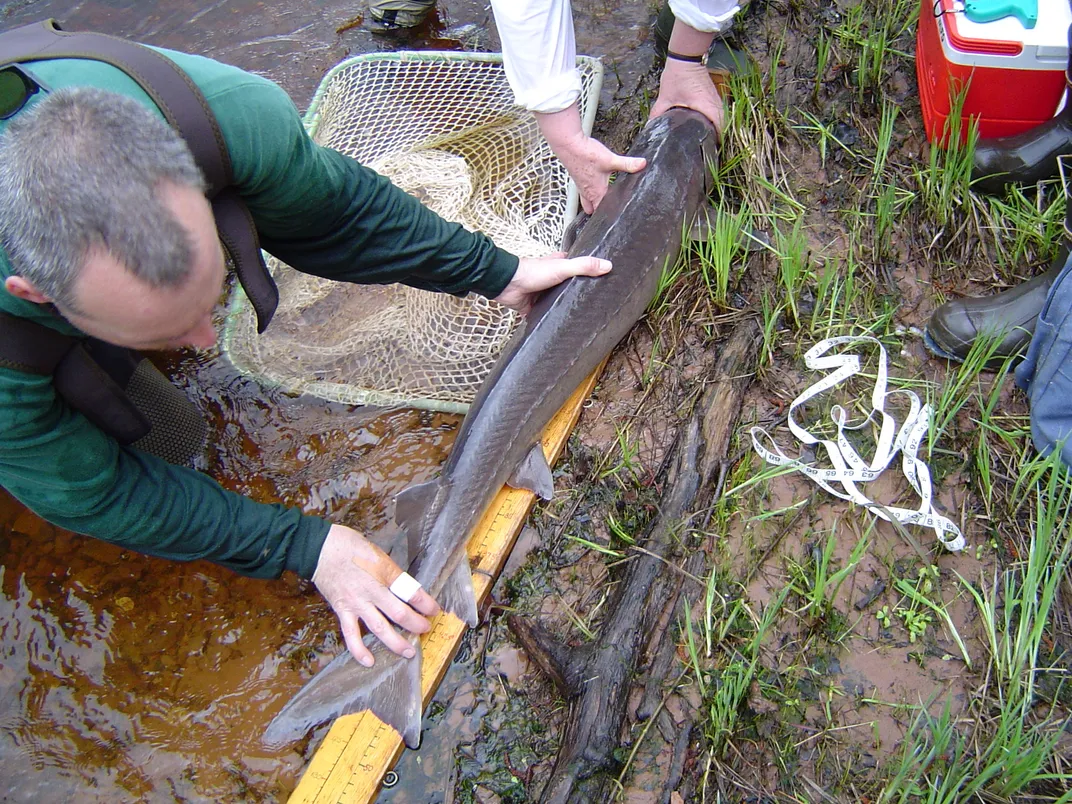
The debate may extend beyond lake sturgeon. Prosanta Chakrabarty, an ichthyologist at Louisiana State University who did not take part in the research, said the paper means the ages of all sturgeon species need another look. His response points to a wider consequence of the study: if methods or assumptions used to understand age have underestimated longevity in one sturgeon, scientists may need to revisit how they assess related species as well. The paper therefore raises questions about a broader group, not just one Great Lakes inhabitant.
For readers, the human comparison helps convey the scale without turning an estimate into a certainty. Around 15 generations can pass while stories, homes and communities are remade many times over. A lake sturgeon surviving through a comparable period would be a biological outlier, carrying a lifespan far beyond the one usually imagined for a freshwater fish. Yet the most responsible reading is to hold both ideas together: the result is remarkable, and its confirmation remains unfinished.
The next phase is likely to focus on the uncertainty the researchers themselves identified. Follow-up work could determine whether the proposed upper limit for males is borne out, whether it should be adjusted, and what the reassessment urged by Chakrabarty means for sturgeon more broadly. Until then, the study has delivered a compelling reason to look again at an old species in the Great Lakes. Its possible age is not merely a curiosity; it is a reminder that scientific estimates can change substantially when evidence is reconsidered.
Source: Smithsonian Magazine
Related articles

Immerse Yourself in the Cosmos at Frank Lloyd Wright's Only Planetarium, Recently Restored to Its Former Glory in Florida
Completed in 1958, the domed building is located on the campus of Florida Southern College, home to 13 Wright-designed buildings, the world's largest single-site collection of the architect's work

Play Tractor online with friends — free
Real-time Sheng Ji / Tractor for 3–5 players, with complete bidding and trump rules across web, iOS and Android.
Play bidfive →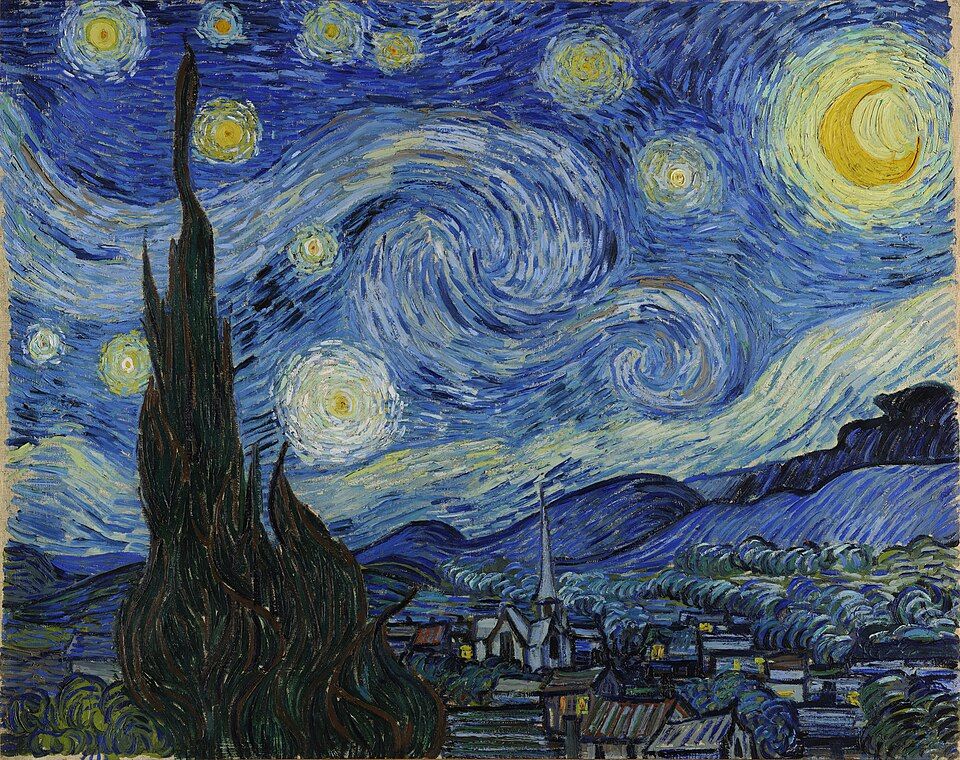
A Team of Astronomers Thinks They Have Identified the Exact Night Sky That Inspired Vincent van Gogh's 'Starry Night.' Not Everyone Is Convinced
Very few night skies seen from the south of France during the summer of 1889 would match the scene on van Gogh's canvas. A new study argues that it could have been July 22

'Pretty Boy' Floyd, One of the Most Notorious Outlaws of the Great Depression, Was Shot and Killed in an FBI Raid 92 Years Ago
Some Americans lauded the 30-year-old bank robber as a Robin Hood-esque folk hero. Others castigated him as a violent criminal whose misdeeds were emblematic of the troubled era

GTA 6 guides, updates and practical reference
Explore a Chinese GTA 6 guide library covering the release, map, characters, missions, vehicles and weapons.
Browse guides →
Create AI images with your own API key
aixipi runs on desktop/web, uses your own model API balance, and avoids subscription lock-in.
Try aixipi →