
Son of Stephen Hubbard, American freed from Russian jail, speaks out
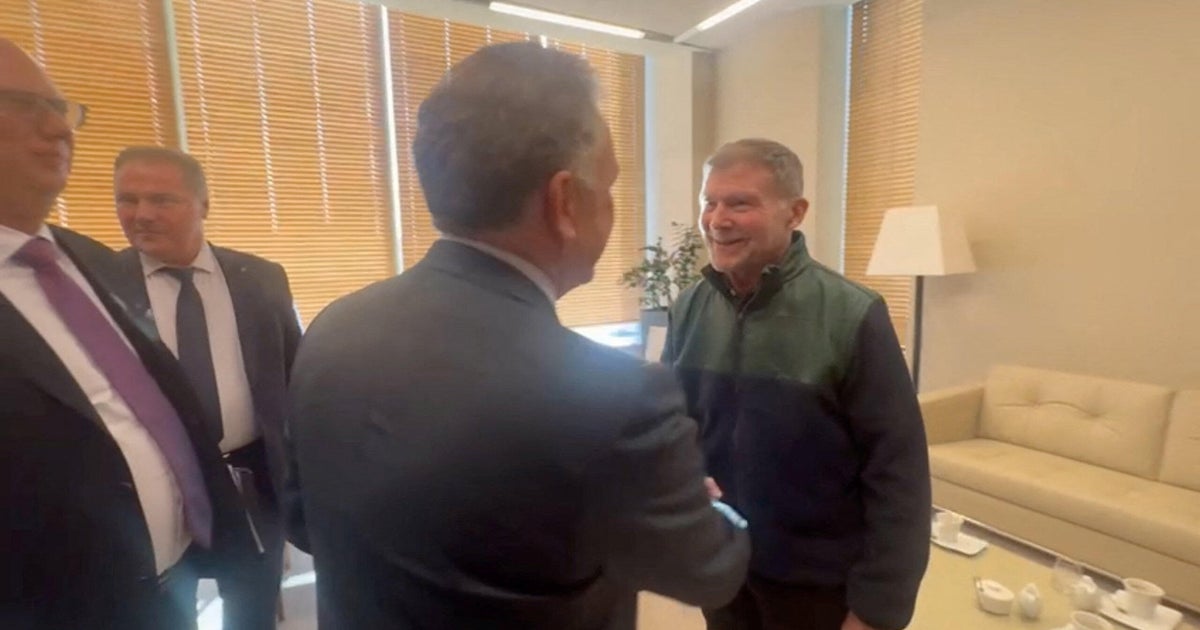
Stephen Hubbard, an American who spent more than four years in Russian custody after being accused of taking up arms for Ukraine, has been released, according to an announcement made Wednesday. His son, Fr. Joseph Coleman, said the news ended a period of profound uncertainty for a family that had feared Hubbard might not survive the ordeal or return home. U.S. authorities had classified Hubbard as wrongfully detained.
The announcement came during a meeting between Russian President Vladimir Putin and Steve Witkoff, the U.S. special envoy. The available account did not describe the terms behind Hubbard’s release or say what arrangements may follow for him. It nevertheless marks the end of a detention that placed an American citizen at the center of the war in Ukraine and high-level contact between Moscow and Washington.
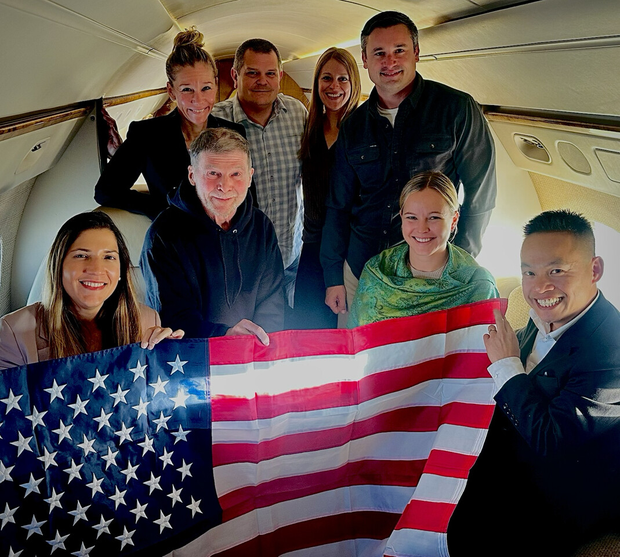
Coleman, a Greek Orthodox priest, spoke publicly in a television interview after his father’s release. He said Hubbard had made a decision at the start of the full-scale war that now appears consequential: remaining in Ukraine. Coleman said he believes his father may have erred by staying there as the conflict began, a view that frames the later imprisonment as part of a series of choices and events with severe personal costs.
For Coleman, the most alarming moment came during a short telephone call with Hubbard last year, when his father was still held in a Russian prison. He said he entered that conversation worrying it might be their final chance to speak. The call did not offer the reassurance he hoped for; instead, it left him concerned about Hubbard’s emotional state amid the conditions of confinement.
Coleman described his father as intensely worn down by the life he was living in custody. He stopped short of saying Hubbard had explicitly voiced suicidal intent, but said the conversation suggested thoughts close to that territory. The distinction matters: Coleman did not report a direct declaration of self-harm. His account was instead of a man whose exhaustion and despair had become unmistakable to his son over a brief call.
Hubbard’s case carried several layers beyond the family’s private fear. He is a U.S. citizen, and the allegation against him was that he fought on Ukraine’s side. Russia held him for more than four years. Washington’s wrongful-detention designation signaled that the U.S. government viewed his imprisonment as improper, placing his case under sustained official attention.
His release provides immediate relief, but it does not resolve every question raised by the case. The public account did not specify Hubbard’s condition, where he would go next, or how soon he might reunite with relatives. It also did not explain whether further discussions between U.S. and Russian officials were connected to his departure. Those details may shape how the family’s relief turns into recovery after years apart.
The timing also underscores the role of high-level diplomacy in cases involving Americans held abroad. Hubbard’s release was announced in connection with the Witkoff-Putin meeting, rather than as a routine legal development. That context does not establish the precise mechanism of his freedom, but it shows that his situation had reached the level of direct engagement between senior representatives of the two governments.
For Coleman, the public discussion is rooted less in geopolitics than in the prospect of seeing his father again. The earlier phone call had left him fearing the worst; the release replaces that fear with a new, uncertain phase. What comes next will depend on information not yet disclosed, including Hubbard’s health and travel plans. For now, the central fact is that an American once deemed wrongfully detained is no longer in Russian custody.
Source: CBS World
Related articles
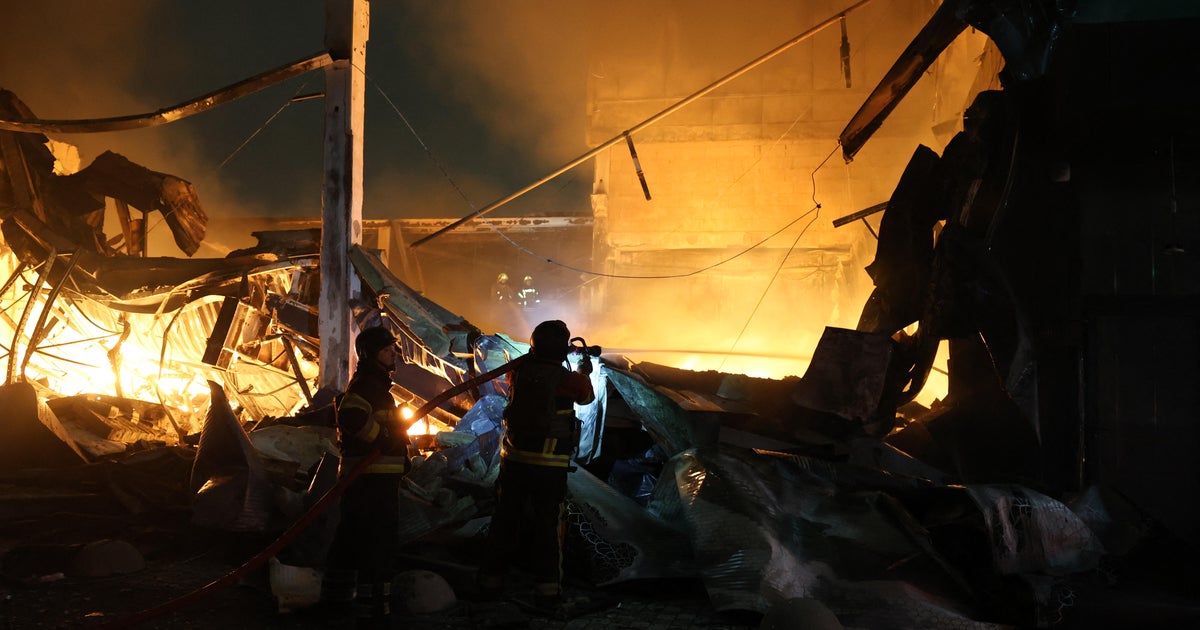
Zelenskyy accuses Russia of using cluster warheads in deadly strikes
Russia launched the strikes on Ukraine less than a day after negotiations to end the war, which also involved the United States, ended in St. Petersburg.

Create AI images with your own API key
aixipi runs on desktop/web, uses your own model API balance, and avoids subscription lock-in.
Try aixipi →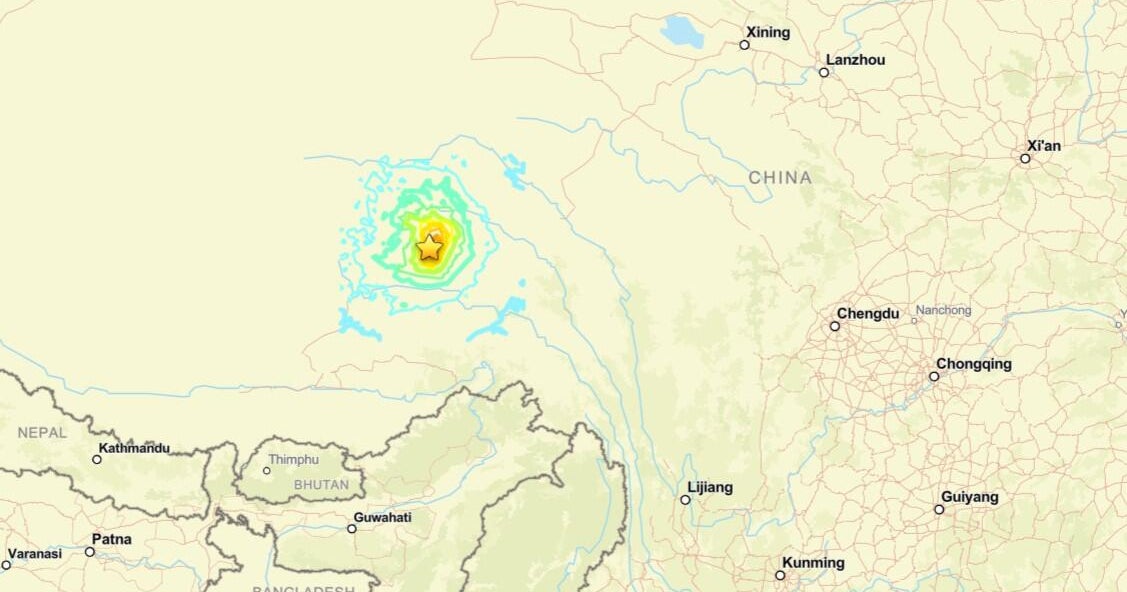
At least 16 dead when powerful 7.0 magnitude earthquake strikes Tibet
It was the biggest earthquake in the region in the last five years, China

See how Big Tech is transforming Spain's landscape
A drought-stricken region of northeast Spain has become a focus for American companies searching for locations to place their data centers.