
Spain's leader says Russia and Israel fueled immigration "disinformation"
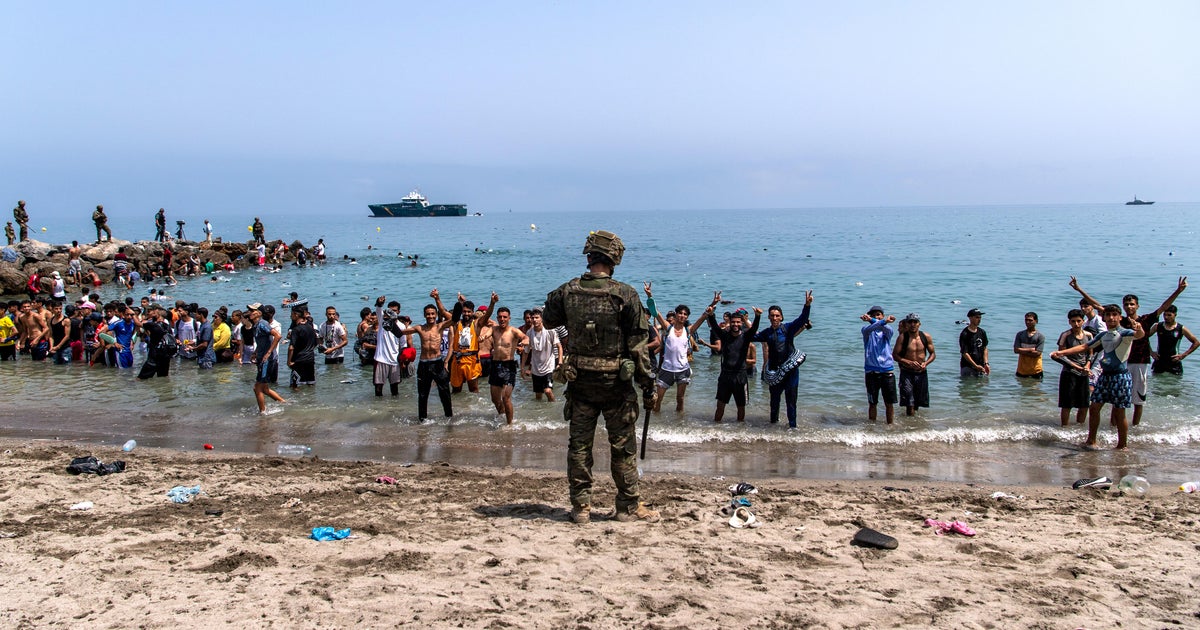
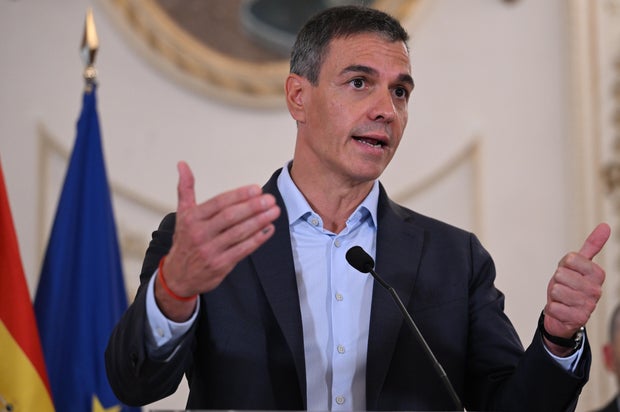
Spanish Prime Minister Pedro Sánchez has said online networks connected to Russia and Israel helped circulate false or misleading narratives during the recent migration emergency in Ceuta. He presented the information campaign as more than a dispute over border management, arguing that foreign-linked actors used a volatile humanitarian episode to pressure Spain over its positions on Ukraine and the Palestinian territories.
Sánchez’s allegation places the events in the small Spanish-administered territory on North Africa’s coast at the center of a wider political confrontation. In his account, Moscow’s interest was tied to Madrid’s stance on Russia’s war in Ukraine, while Israel-linked networks were reacting to Spain’s approach to Israeli actions in Palestinian areas. The claim concerns disinformation networks, rather than an allegation that either government directed the crossings themselves.
The crisis unfolded over two days at the end of July. From July 30 through July 31, more than 72,000 people crossed from Morocco into Ceuta, according to the reported figures. The scale of the movement quickly turned a local border into a major test for the territory’s authorities and for Spain’s handling of a sudden influx.
The crossings also carried a severe human toll. Spain’s national EFE news agency reported that at least 70 people died amid the mass attempts to enter Ceuta. That figure underlines why the episode cannot be viewed solely through the lens of online messaging or diplomatic friction: it was also a deadly migration event involving tens of thousands of people moving across a heavily consequential border.
Most of those who entered were sent back to Morocco, Sánchez said. Yet the returns did not end the immediate challenge for Ceuta. By the close of August, roughly 5,000 migrants were still in the territory, leaving Spanish authorities to confront the practical and humanitarian consequences of accommodating a large remaining population after the peak of the crossings had passed.
Children made up a notable share of those still there. Sánchez said 1,200 of the migrants remaining in Ceuta at the end of August were minors. Their presence adds a distinct dimension to the aftermath, because the needs and protections associated with children are different from those facing adults, and their status makes the resolution of a fast-moving border emergency more complicated.
The prime minister’s comments connect two parts of the story that can otherwise appear separate: a physical surge at the frontier and the contest over how that surge is portrayed online. His argument is that disinformation can intensify a crisis by shaping public understanding of it, particularly when migration, national security and foreign policy are already politically sensitive subjects.
At the same time, Sánchez’s characterization is an accusation about the origin and purpose of online activity, not an independently detailed account of every message, account or campaign involved. No specific posts or operational details are set out in the reported facts. They also do not describe any separate response from Moscow or Israel, or a timetable for examining the alleged online activity.
The confirmed elements of the episode are the scale of the crossings, the deaths reported by EFE, the returns to Morocco and the number of people still in Ceuta. What comes next will be measured not only by whether that remaining population falls, but also by how Spain addresses the consequences of the crisis. Sánchez’s warning suggests Madrid sees the public narrative around migration as an issue requiring attention alongside the border response itself.
Source: CBS World
Related articles
Zelenskyy accuses Russia of using cluster warheads in deadly strikes
Russia launched the strikes on Ukraine less than a day after negotiations to end the war, which also involved the United States, ended in St. Petersburg.

Create AI images with your own API key
aixipi runs on desktop/web, uses your own model API balance, and avoids subscription lock-in.
Try aixipi →
At least 16 dead when powerful 7.0 magnitude earthquake strikes Tibet
It was the biggest earthquake in the region in the last five years, China

See how Big Tech is transforming Spain's landscape
A drought-stricken region of northeast Spain has become a focus for American companies searching for locations to place their data centers.