
Spain's spy agency warned of Ceuta border breach plans before crisis, declassified files show
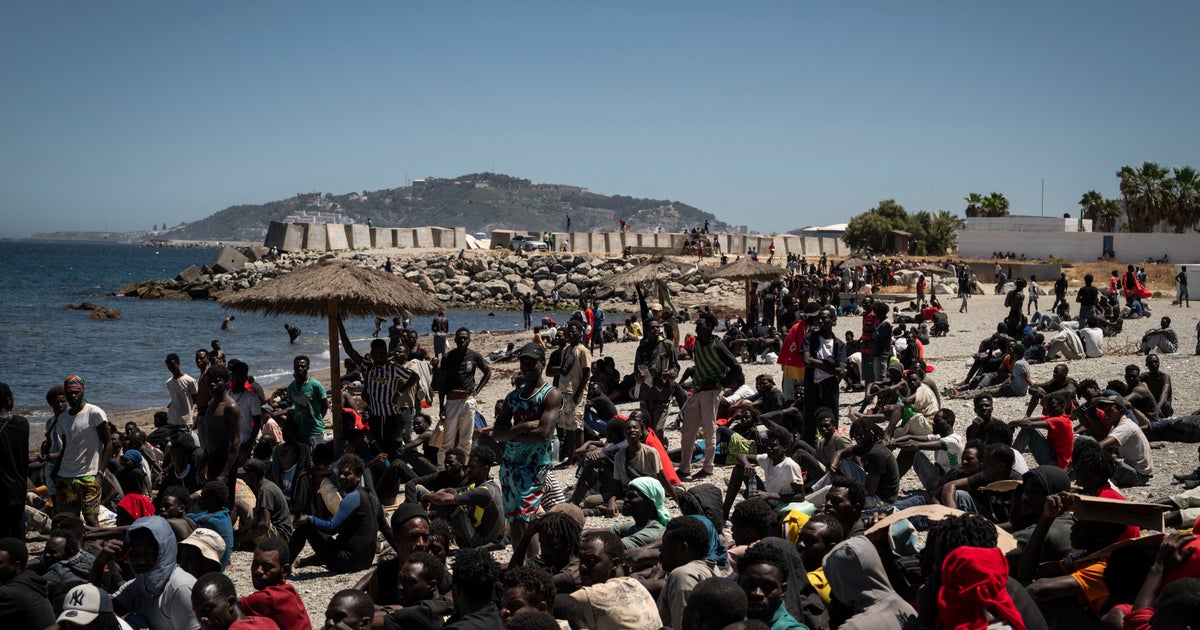
Madrid has released declassified records indicating that Spain’s intelligence service repeatedly flagged the possibility of a large-scale attempt to cross from Morocco into Ceuta before the border emergency unfolded. The disclosures, made public on Wednesday, place renewed attention on what the government knew in the run-up to the arrivals and how it assessed the risk at the time.
The collection contains 40 files, rather than a single warning. It brings together alerts, intelligence assessments, charts and exchanges involving several policing and intelligence bodies. Taken as a whole, the material describes official concern about a potential mass movement into the Spanish exclave during the latter part of July, before the crossing that became the focus of the crisis.
Ceuta’s position as Spanish territory alongside Morocco makes it a particularly sensitive point in any debate over migration, border management and diplomatic relations. A sudden border movement can quickly become a national issue because it involves local authorities, security forces and central government at once. The newly published material shifts the immediate question to whether the prospect of an abrupt crossing had been identified early enough for national authorities to prepare for it.
The papers appear difficult to reconcile with Prime Minister Pedro Sánchez’s account of the amount of advance notice available to his administration. That apparent gap has become central to the political argument. The documents show that warnings and related information circulated among state agencies, although the material described in the release does not by itself establish every decision made by ministers or officials after receiving it.
That distinction is likely to matter as the government faces pressure to explain the sequence of events. Intelligence alerts can identify a developing danger without predicting its precise timing, size or outcome. Even so, repeated warnings about a possible major crossing raise questions about how those assessments were weighed, communicated through government structures and turned, if at all, into operational planning.
The arrivals have already prompted significant demonstrations in Spain, reflecting public anger over the handling of the episode. Critics have argued that the Sánchez government did not manage the situation effectively. The release of the files gives that criticism a new documentary basis, while leaving open the broader issue of whether any practical response could have changed the course of the border breach.
Sánchez’s political opponents have also linked the crisis to his government’s approach toward Morocco, accusing it of being overly accommodating. That is a political charge rather than a conclusion contained in the documents described by the government. Still, the allegation underscores why the intelligence release reaches beyond a dispute over border preparations and into a wider contest over Spain’s external policy and domestic credibility.
For supporters of greater disclosure, the publication offers a rare view of how warnings moved across different parts of the security system. For the government, it also creates a need to address why its public description of prior knowledge seems at odds with the record now available. The files include material from more than one law-enforcement and intelligence organization, suggesting that the concern was considered across agencies rather than confined to one office.
The next stage is likely to focus on chronology: when each alert was issued, who saw it, and what actions followed. Officials may also be pressed to distinguish between information that identified a general threat and intelligence considered specific enough to require a particular response. The declassified package may inform parliamentary scrutiny and further public debate, but it does not settle every question about responsibility.
What is clear from the release is that Spanish intelligence had identified the risk of a mass crossing into Ceuta before the late-July crisis occurred. The government’s explanation of its preparedness, and the extent to which the warnings shaped its response, will remain under close examination as the political fallout continues.
Source: CBS World
Related articles
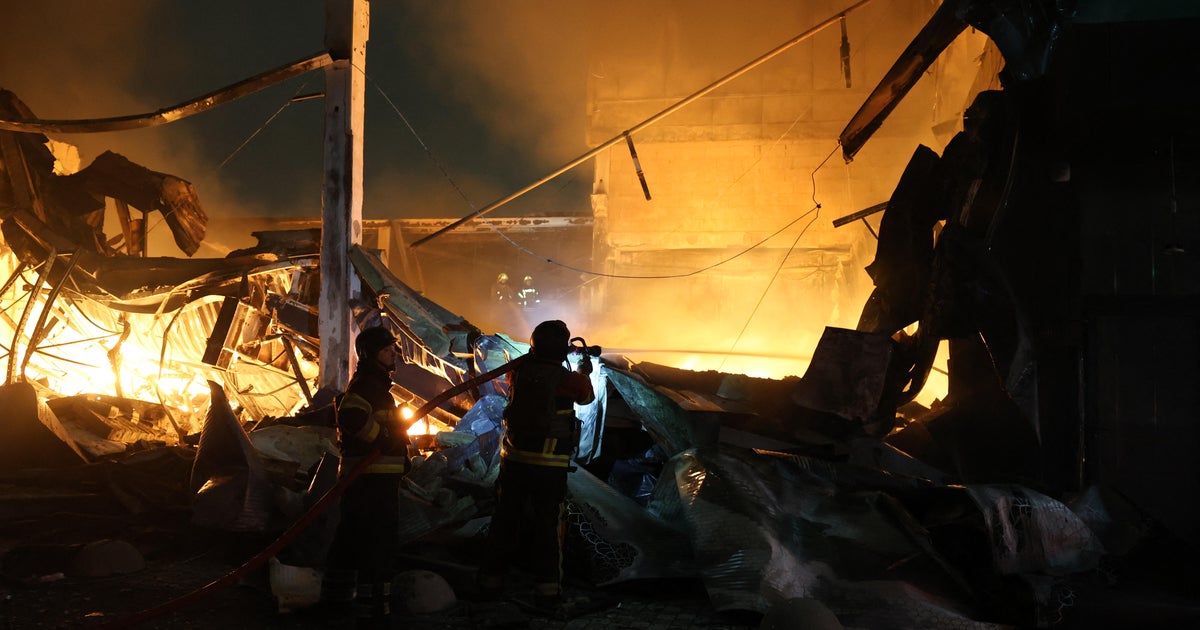
Zelenskyy accuses Russia of using cluster warheads in deadly strikes
Russia launched the strikes on Ukraine less than a day after negotiations to end the war, which also involved the United States, ended in St. Petersburg.

Create AI images with your own API key
aixipi runs on desktop/web, uses your own model API balance, and avoids subscription lock-in.
Try aixipi →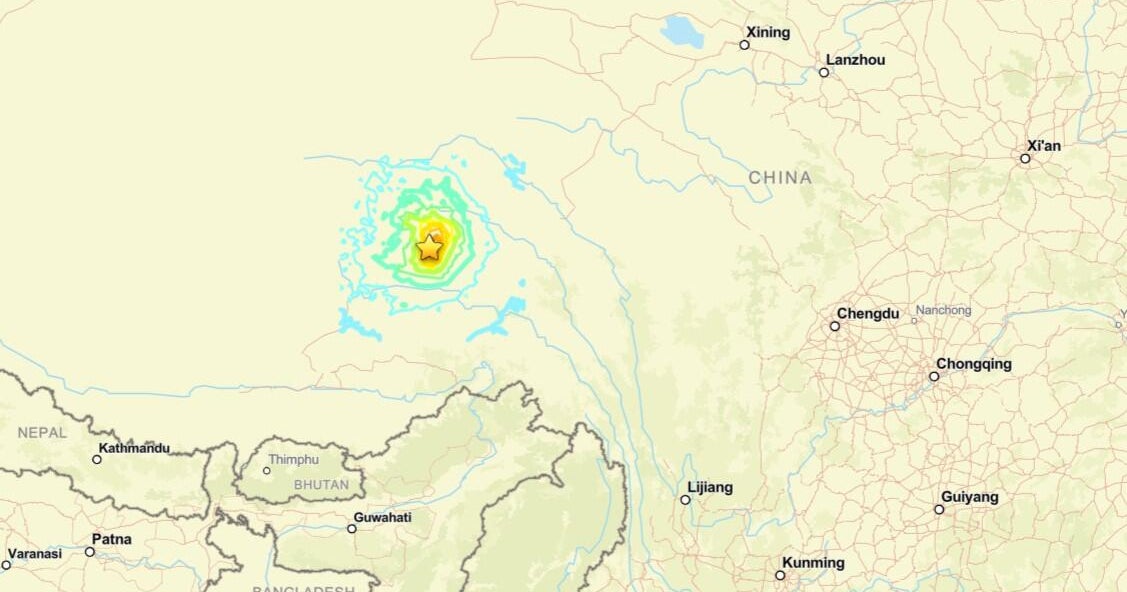
At least 16 dead when powerful 7.0 magnitude earthquake strikes Tibet
It was the biggest earthquake in the region in the last five years, China

See how Big Tech is transforming Spain's landscape
A drought-stricken region of northeast Spain has become a focus for American companies searching for locations to place their data centers.