
State of U.S. democracy reaches new low, report finds

The United States has recorded its weakest democratic performance in five decades of measurement, according to a new international assessment that places the country within a broader worldwide downturn. The finding comes from the International Institute for Democracy and Electoral Assistance, a Stockholm-based organization whose annual survey examines the condition of democratic systems. Its latest Global State of Democracy report assesses developments from 2020 through 2025 and draws on a data series beginning in 1975.
The report covers 174 countries and evaluates how democratic institutions and practices are functioning over time. For the United States, the assessment says the decline was sufficiently pronounced to mark the lowest point observed during the survey's 50-year history. The conclusion does not rest on a single event or institution; it reflects the institute's set of measures for judging democratic performance across a range of areas.

Dr. Seema Shah, who leads the institute's democracy assessment work, said researchers have been tracking deterioration in several core features of democratic life. Those measures include protections for speech and the press, the credibility of elections, and whether legislatures operate effectively. The wider pattern, she said, has appeared across countries rather than being limited to the United States.
In the institute's account, the U.S. decline is especially significant because the country has long been associated with strong legal institutions, judicial independence and advocacy for democratic government abroad. The report argues that this position has weakened. It describes President Donald Trump as rapidly concentrating authority in the executive branch during 2025 and using it in pursuit of personal aims and against people regarded as adversaries.
According to the report, those actions have had consequences beyond domestic politics, putting pressure on the rule of law and testing established alliances and multilateral cooperation. Shah said U.S. government policies are affecting democratic conditions at home while also weakening international norms. In that view, the shift gives other leaders with less democratic approaches an example they may invoke.
The report also links the change to a reduced emphasis on democracy in U.S. foreign policy. Shah said democratic principles no longer sit at the center of Washington's approach to forming new international partnerships, and that U.S. democracy assistance for developing countries has been dismantled. Trump signaled a similar change in Riyadh last year, criticizing the interventionist posture of earlier administrations and saying the United States would not instruct other nations on how to live.
At home, Shah said the United States has declined on nearly half of the institute's 30 indicators. That breadth is important context for the report's headline finding: its result is a composite assessment, not a claim that any one safeguard has disappeared. The institute measures multiple dimensions of democratic practice, meaning individual readers may place different weight on particular indicators even as the report identifies an overall decline.
The United States is not alone in the survey's results. The institute found that 57% of the countries it examined had worsened on at least one major democratic indicator. Globally, the rule of law was the weakest area in the assessment. That finding places the U.S. result within a larger international trend in which democratic standards have come under pressure in many different political settings.
There are examples of countries where democracy has regained ground, including Poland, Hungary and Syria, but the report urges caution about treating such turnarounds as permanent. Shah said the research indicates that nine in 10 democracies that reverse an earlier decline experience another downturn within five years. Candidates elected on promises of change can struggle to carry them out when existing power structures remain in place, she said, creating a difficult test for democratic renewal in the United States and elsewhere.
The assessment is a snapshot of conditions through 2025 rather than a forecast of what comes next. Its future editions will provide a further measure of whether the trends identified in the United States and internationally continue, stabilize or reverse.
Source: NPR World
Related articles
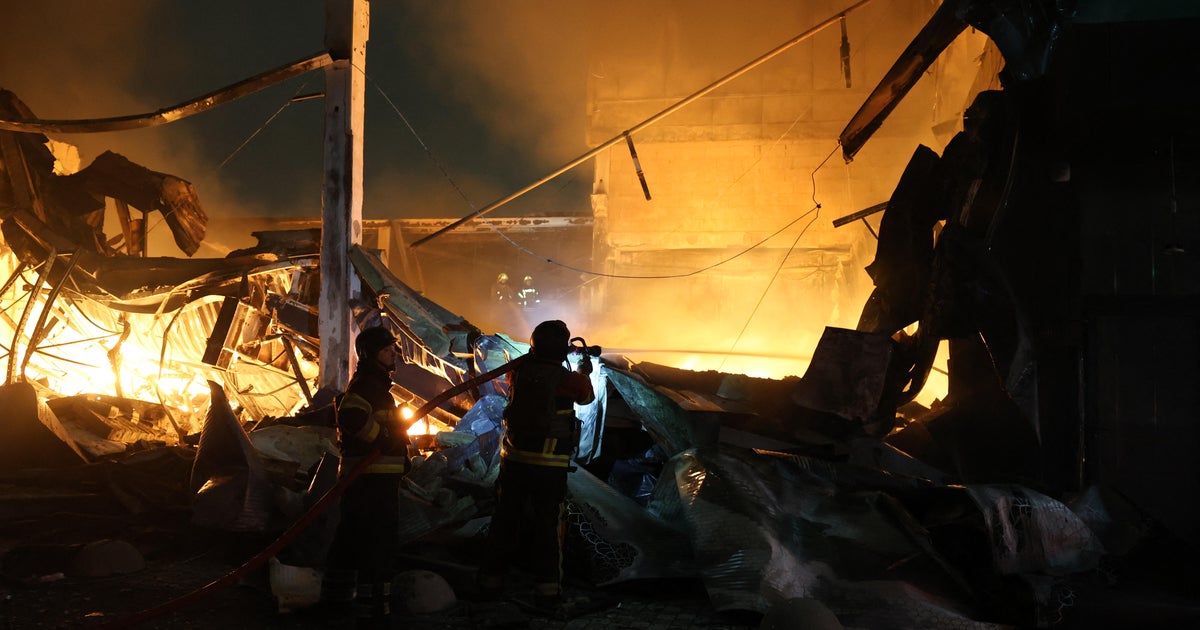
Zelenskyy accuses Russia of using cluster warheads in deadly strikes
Russia launched the strikes on Ukraine less than a day after negotiations to end the war, which also involved the United States, ended in St. Petersburg.

Create AI images with your own API key
aixipi runs on desktop/web, uses your own model API balance, and avoids subscription lock-in.
Try aixipi →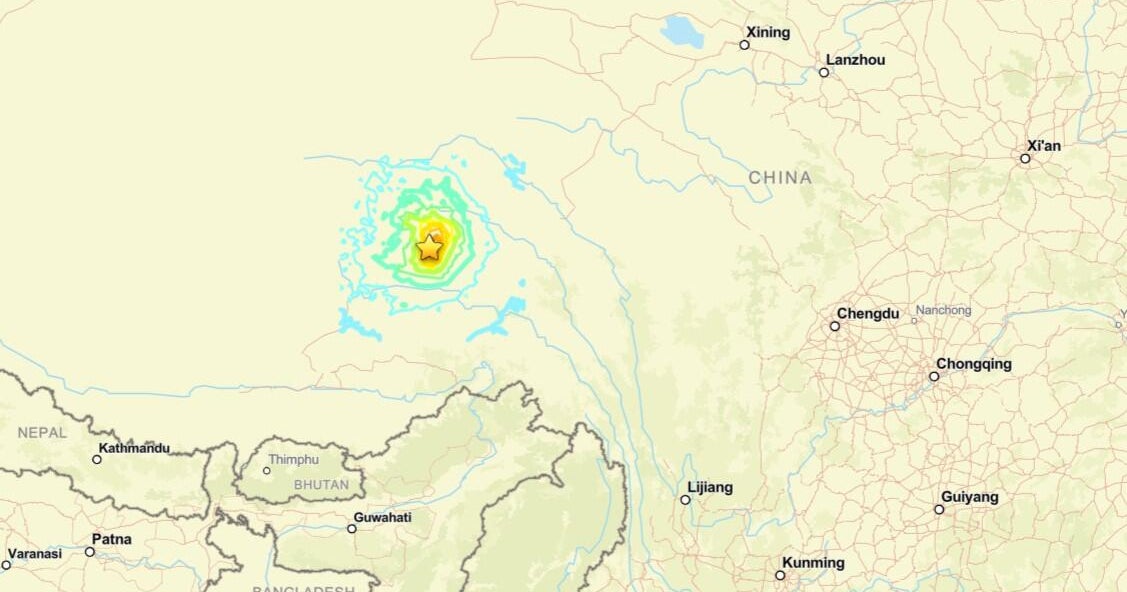
At least 16 dead when powerful 7.0 magnitude earthquake strikes Tibet
It was the biggest earthquake in the region in the last five years, China

See how Big Tech is transforming Spain's landscape
A drought-stricken region of northeast Spain has become a focus for American companies searching for locations to place their data centers.