
Tasmanian Devils Lived Alongside Humans in Northwestern Australia as Far Back as 45,000 Years Ago, Researchers Find
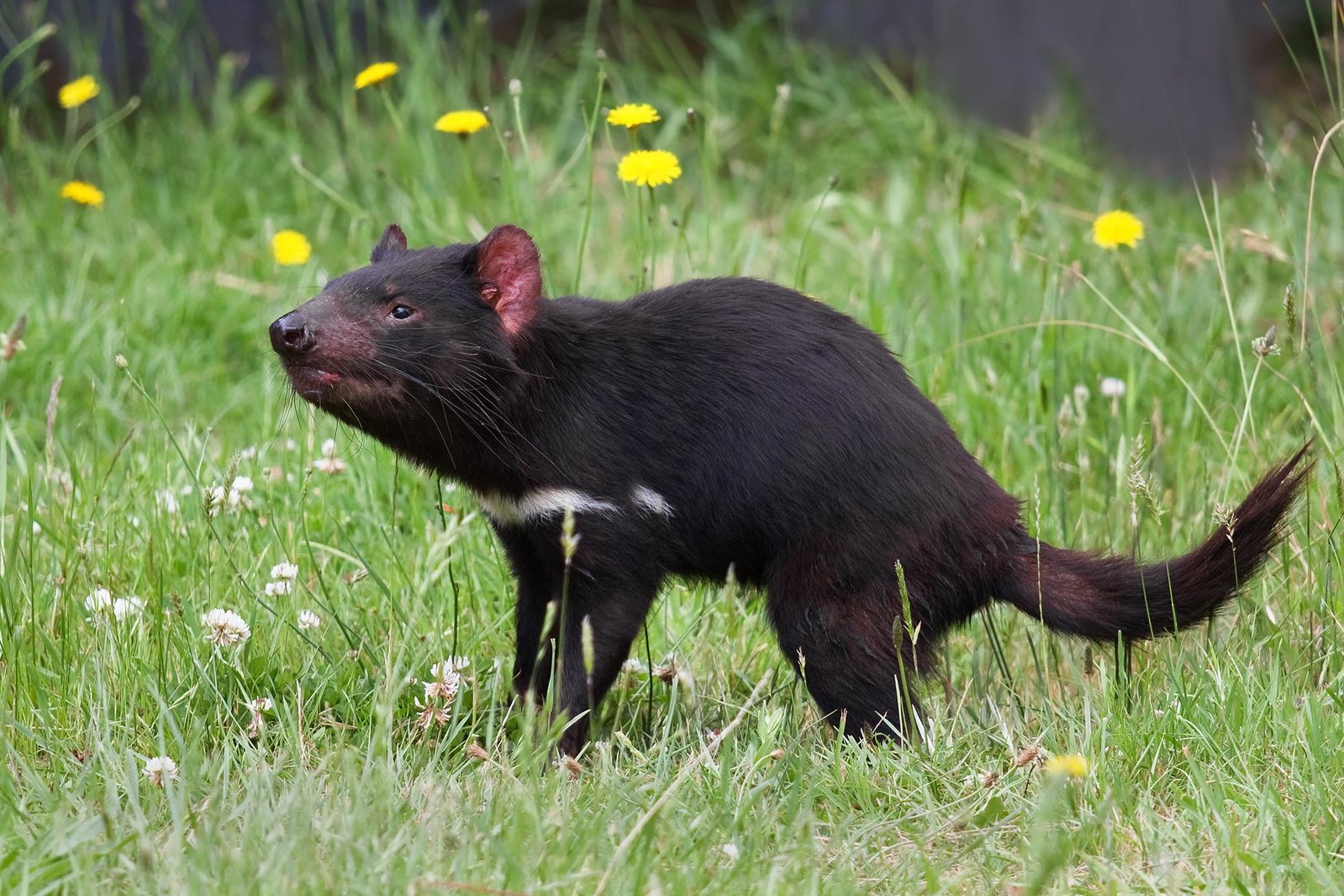
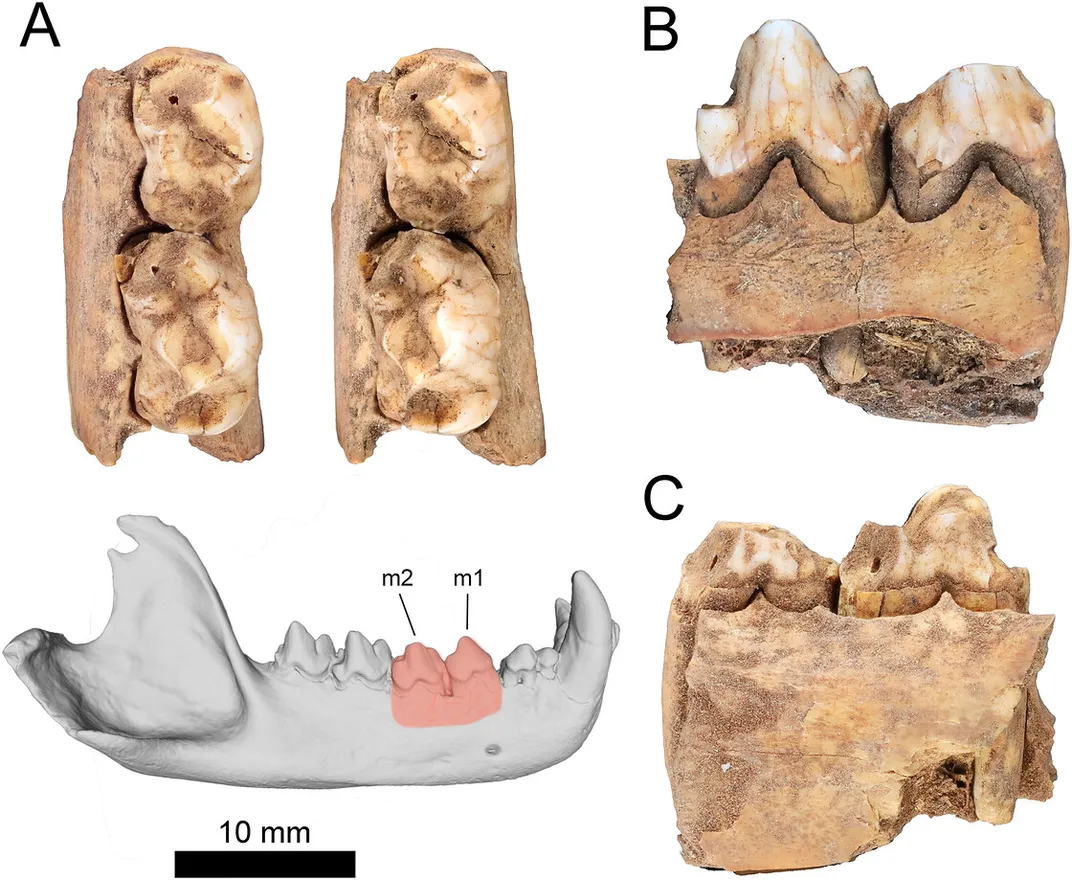
Fossils recovered from a cave in Western Australia’s Juukan Gorge indicate that Tasmanian devils shared part of the continent with people at least 45,000 years ago. Bones from the meat-eating marsupial were found alongside material bearing marks associated with human activity, offering evidence that the animals were present near Ice Age communities in the Pilbara and may have fed on their discarded remains.
The discovery revises the familiar image of the species as an animal belonging only to Tasmania. Today, free-ranging Tasmanian devils survive solely in that island state, but the new findings add to evidence that their earlier range extended across mainland Australia. The animal is the world’s largest living carnivorous marsupial, and its modern name reflects where its remaining wild population lives rather than the full extent of its past distribution.
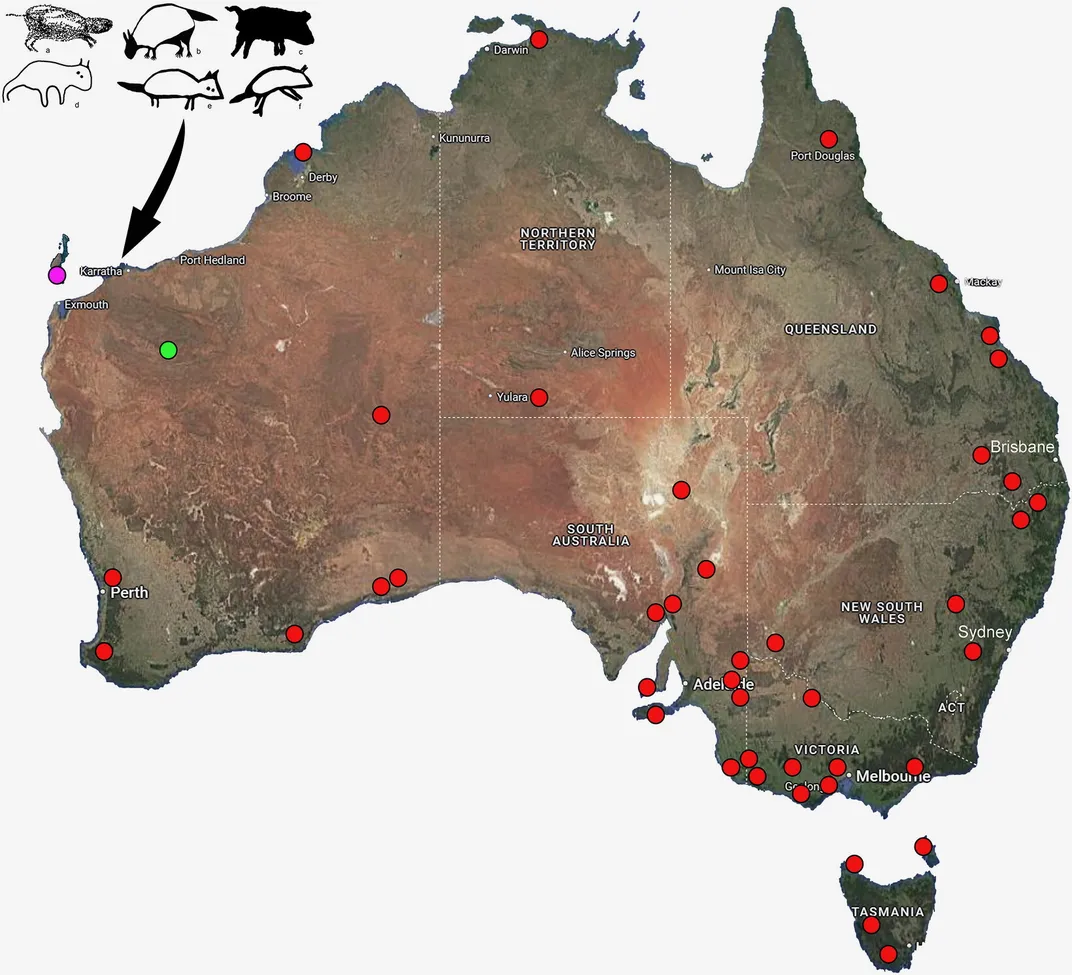
Researchers led by University of New South Wales paleontologist and zooarchaeologist Timothy Churchill examined the Juukan Gorge material from northwestern Australia. Their work places devils in a landscape far removed from the cool, rain-soaked Tasmanian forests commonly associated with the species. Churchill has described the animals as highly flexible, capable of occupying environments across the mainland, including the dry, rocky gorges of the Pilbara.
That adaptability matters for interpreting the find. A predator and scavenger able to move through rugged country could have been drawn to places where people repeatedly processed food or left bone behind. The marked bones do not establish every detail of the relationship between humans and devils, but they raise the possibility that the marsupials acted as opportunistic consumers of waste around occupied shelters—a role that could have linked animal behavior to everyday human activity.
Juukan Gorge is especially significant because it lies within the traditional country of the Puutu Kunti Kurrama and Pinikura peoples. Its rock shelters have yielded a long record of human presence reaching roughly 46,000 years into the past. The devil evidence therefore sits close to one of Australia’s deepest known records of habitation, helping researchers consider the ancient ecosystem around people as well as the people themselves.
The site’s history also gives the research added weight. Some of Juukan Gorge’s culturally important shelters were damaged or destroyed during mining in 2020. Against that backdrop, each surviving deposit can carry information that cannot readily be replaced: not only traces of occupation, but animal remains, food residues and other clues to how humans, wildlife and terrain intersected over long periods.
Evidence from a cave cannot, by itself, show that Tasmanian devils occupied every mainland environment at the same moment, nor can it prove that people were central to their survival. The find instead provides a securely ancient example of the species occurring in northwestern Australia near human communities. Its importance is in connecting the wider picture of a former mainland range with remains from a particular archaeological landscape.
The association also offers a more complex view of ancient caves. Rock shelters were not simply places used by people; they could form part of a wider food web, attracting animals to leftover material and concentrating traces of those encounters in the archaeological record. Devils may have benefited from the resources produced by human activity without being domesticated, hunted, or otherwise closely managed by the people living there.
Further analysis of fossils from additional shelters and landscapes could help establish how broadly devils were distributed, when their mainland range shifted, and how frequently they crossed paths with humans. Researchers will also need to separate evidence of scavenging from signs of hunting or naturally accumulated bones. For now, the Juukan Gorge discoveries place Tasmanian devils in an ancient Pilbara setting shaped by rugged geology and a long human presence.
Source: Smithsonian Magazine
Related articles

Immerse Yourself in the Cosmos at Frank Lloyd Wright's Only Planetarium, Recently Restored to Its Former Glory in Florida
Completed in 1958, the domed building is located on the campus of Florida Southern College, home to 13 Wright-designed buildings, the world's largest single-site collection of the architect's work

Play Tractor online with friends — free
Real-time Sheng Ji / Tractor for 3–5 players, with complete bidding and trump rules across web, iOS and Android.
Play bidfive →
A Team of Astronomers Thinks They Have Identified the Exact Night Sky That Inspired Vincent van Gogh's 'Starry Night.' Not Everyone Is Convinced
Very few night skies seen from the south of France during the summer of 1889 would match the scene on van Gogh's canvas. A new study argues that it could have been July 22

'Pretty Boy' Floyd, One of the Most Notorious Outlaws of the Great Depression, Was Shot and Killed in an FBI Raid 92 Years Ago
Some Americans lauded the 30-year-old bank robber as a Robin Hood-esque folk hero. Others castigated him as a violent criminal whose misdeeds were emblematic of the troubled era

GTA 6 guides, updates and practical reference
Explore a Chinese GTA 6 guide library covering the release, map, characters, missions, vehicles and weapons.
Browse guides →
Create AI images with your own API key
aixipi runs on desktop/web, uses your own model API balance, and avoids subscription lock-in.
Try aixipi →