
The 'cockroach' in the machine: How Gen Z is rattling South Asia's elites

In New Delhi, a protest calling for the departure of India’s education minister has become one visible sign of a wider political pressure building around South Asia’s younger generation. Supporters of the Cockroach Janta Party gathered at Jantar Mantar on Thursday, where a participant shouted slogans during the continuing demonstration against Dharmendra Pradhan. The scene was photographed by Sajjad Hussain for AFP via Getty Images. It points to a broader argument: young voters and activists are increasingly testing institutions that for years treated their numbers as a national advantage.
Governments across the region have often described a large youth population as a demographic dividend, suggesting that a younger workforce and rising aspirations could support growth and stability. The same demographic reality can also sharpen frustration when young people believe public systems are unresponsive, opportunities are constrained, or political power is insulated from scrutiny. In that sense, the current unrest is less a single campaign than a reminder that a generation once discussed mainly in economic terms is asserting itself in public life.

The protest in India centers on a concrete demand: Pradhan’s resignation. Its location, Jantar Mantar, gives the campaign a prominent setting in the capital. The presence of Cockroach Janta Party supporters adds a disruptive political symbol to the event, but the immediate issue remains accountability within the education ministry. The gathering also illustrates how youthful political expression can move from online discussion or private discontent into organized street action.
The region has already seen how quickly anger among younger citizens can become a governing crisis. In September 2025, Nepal’s authorities blocked 26 widely used social-media services. The government said the companies had not met newly introduced rules intended to limit misinformation and hateful material online. Opponents of the decision saw another motive: stopping the rapid circulation of videos that highlighted the expensive lifestyles of politicians and their children, whom critics called “nepo kids.”
The Nepal episode showed the risk for leaders when controls on digital platforms collide with distrust of those in power. Large demonstrations followed the ban, and Prime Minister K.P. Sharma Oli stepped down within days. The sequence did not establish that every online restriction will produce the same outcome elsewhere. It did, however, demonstrate that social-media policy can become inseparable from wider questions about transparency, privilege and who gets to challenge official narratives.

For analysts, the developments require more than a simple generational label. Šumit Ganguly, a senior fellow at Stanford University’s Hoover Institution, is also a distinguished professor emeritus of political science at Indiana University Bloomington. His academic roles reflect the kind of institutional expertise often brought to questions of democratic pressure and political change. Yet the events in India and Nepal also underline a practical point: young people are not a uniform bloc, and their grievances, tactics and demands can differ sharply from country to country.
That variation matters when assessing the regional consequences. A protest demanding a minister’s resignation is not the same as a wave of demonstrations following a platform ban, and neither case alone predicts a common political future. Still, both episodes put attention on the relationship between authority and a generation accustomed to rapid communication, public comparison and visible expressions of dissent. Leaders who emphasize the benefits of youth populations now face pressure to address the expectations that accompany them.
What comes next will depend on how governments respond to specific complaints rather than on demographic language alone. In India, the immediate test is whether the demand involving the education minister gains further support or produces an official response. In Nepal, the fallout from the 2025 ban remains a cautionary example of how an effort presented as online regulation can be read by the public as political protection. Across South Asia, the central question is whether institutions can absorb this pressure through credible engagement before discontent grows into a larger confrontation.

Source: NPR World
Related articles
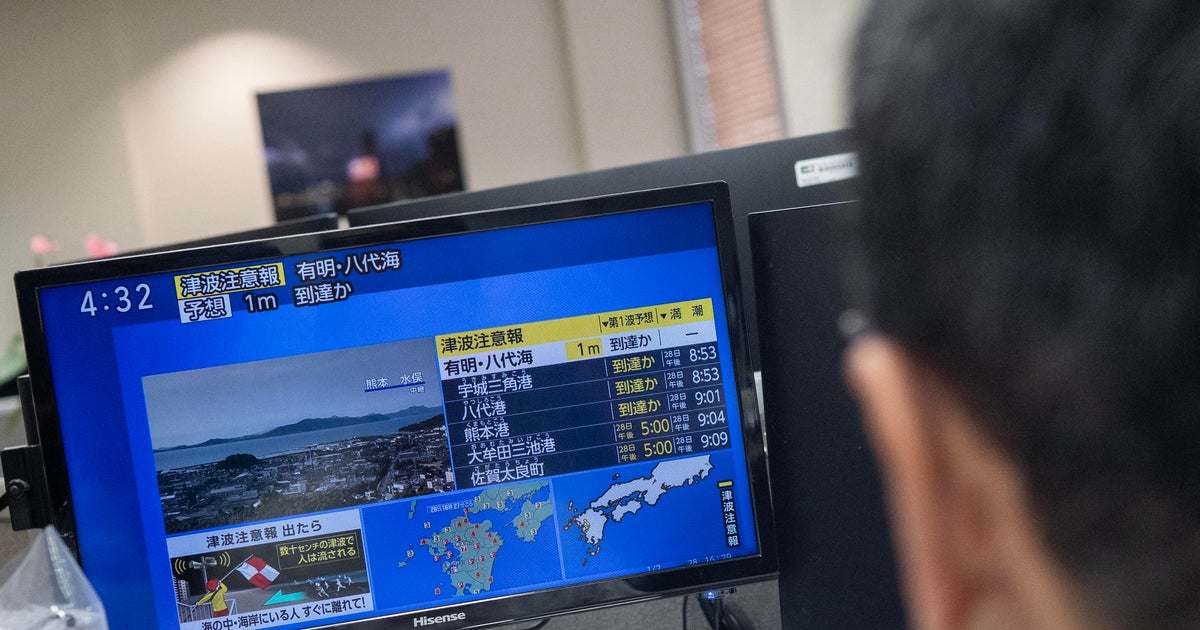
Strong 7.1 magnitude earthquake strikes southern Japan
A powerful 7.1-magnitude earthquake hit southern Japan, disrupting transport but causing no major damage.

Create AI images with your own API key
aixipi runs on desktop/web, uses your own model API balance, and avoids subscription lock-in.
Try aixipi →
Netanyahu to meet Trump in a first encounter since the Iran war began
The meeting comes as both face pressures at home. Netanyahu is up for reelection, embattled in part due to his deteriorating relationship with Trump. Trump is under pressure to end an unpopular war.

With wildfires raging in France and Spain, fire crews race against next heat wave
French authorities ordered nearly 4,000 people evacuated Tuesday from tourist sites on the Atlantic coast as returning heat threatened firefighters' fragile hold on a vast wildfire west of Bordeaux.