
The Race for Hydrogen Fuel Has Taken These Scientists to the Arctic Seafloor. But Can They Unlock Its Secrets Before It's Too Late?
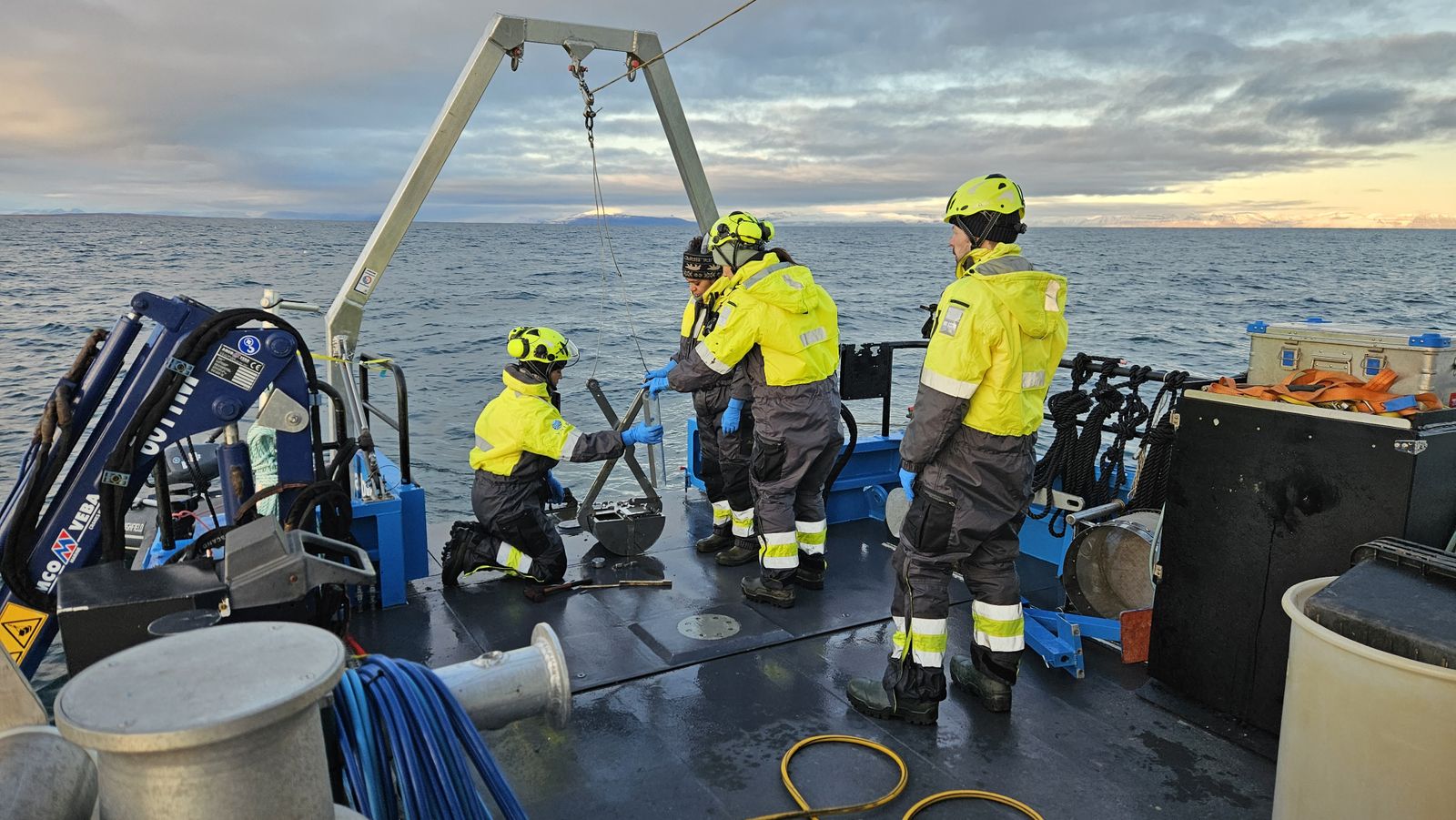
Far below the Arctic Ocean’s surface, scientists are searching for natural vents that may hold clues to a cleaner energy future. Their targets are cold seeps, places where gases and fluids leak upward through fractures in the seabed. Sediment gathered at these sites contains deep-water microbes, including bacteria that can generate hydrogen. The work is also a race to document an ancient ecosystem before it is permanently altered.
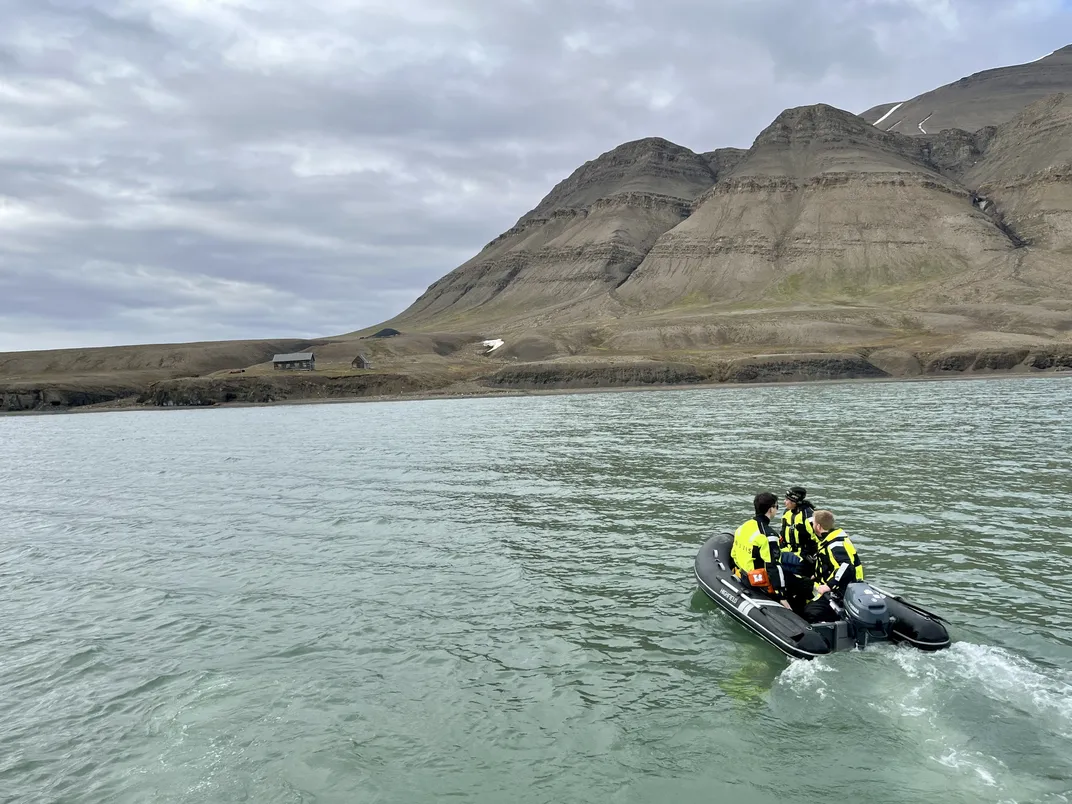
The search has required expeditions into the high Arctic, where weather, distance and darkness beneath the sea make every sample difficult to obtain. In the summer of 2024, molecular ecologist Juan Galarza of the University of Oulu in Finland and colleagues surveyed the region from a research ship. Above them, the seasonal Arctic light remained nearly constant: the sun skimmed close to the horizon rather than disappearing, leaving a muted glow over the water.
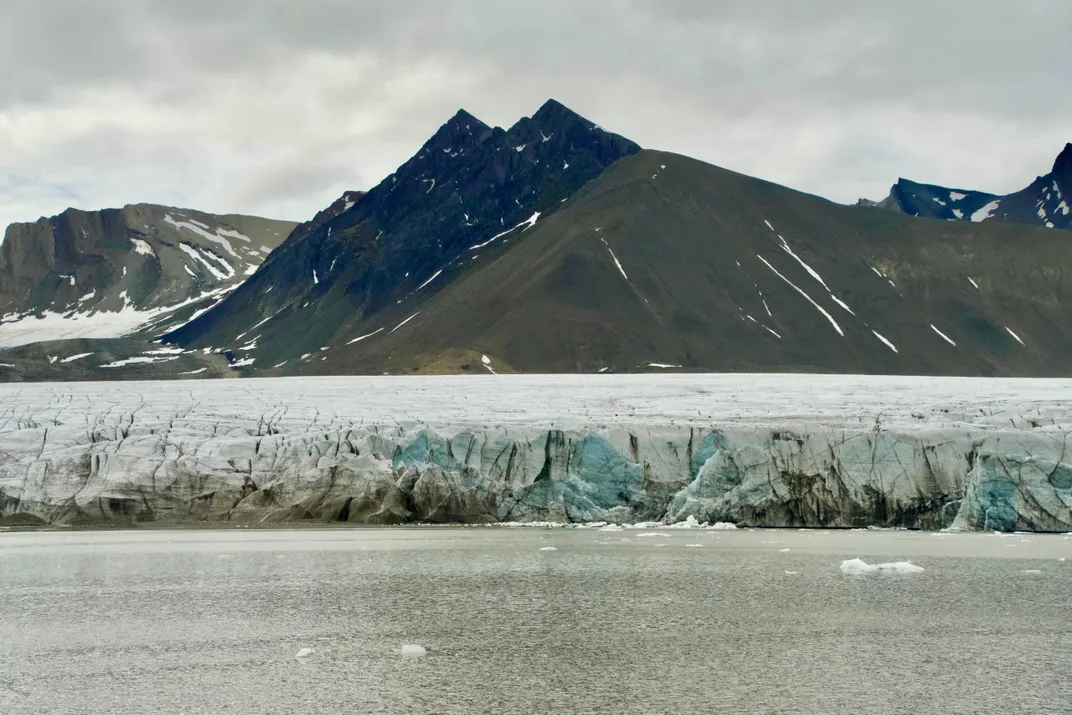
That unusual light cycle affected the rhythm aboard the vessel. With no conventional nightfall to mark the end of a day, Galarza and his team could lose their sense of time. Much of their attention was fixed on the display of a deep-sea imaging system, watching for evidence of methane rising from the ocean floor. A visible stream of bubbles could point them toward a seep worth investigating and provide a practical target in a vast, difficult-to-map landscape.
Cold seeps form where material from below the seabed finds a route into the ocean. Methane is among the gases that can emerge there. Although the water at such depths is close to freezing and sunlight cannot reach it, the sites can support microscopic communities. Instead of relying on photosynthesis, those organisms obtain energy through chemosynthesis, using chemical compounds associated with the seep. It is a survival system built around the seafloor’s chemistry rather than the light that sustains most familiar ecosystems.
The samples were taken from sediment sometimes lying more than 1,000 feet beneath the surface. Recovering material from that depth turns the expedition into more than a search for bubbles: researchers must identify a promising location, reach the seafloor and preserve what they collect for later study. Each core can contain organisms adapted to a setting that is both dark and chemically distinct from the open ocean above, offering a record of life in an environment humans rarely see directly.
For Galarza, the energy-producing abilities of some of those bacteria are central to the project’s appeal. Hydrogen is often discussed as a possible low-emissions fuel because it can be used without releasing carbon dioxide at the point of use. But producing it at scale has environmental and economic constraints, especially when the process depends on fossil fuels or large amounts of electricity. Microbes that make hydrogen naturally could offer researchers new biological pathways to examine, potentially broadening the scientific options available for future energy development.
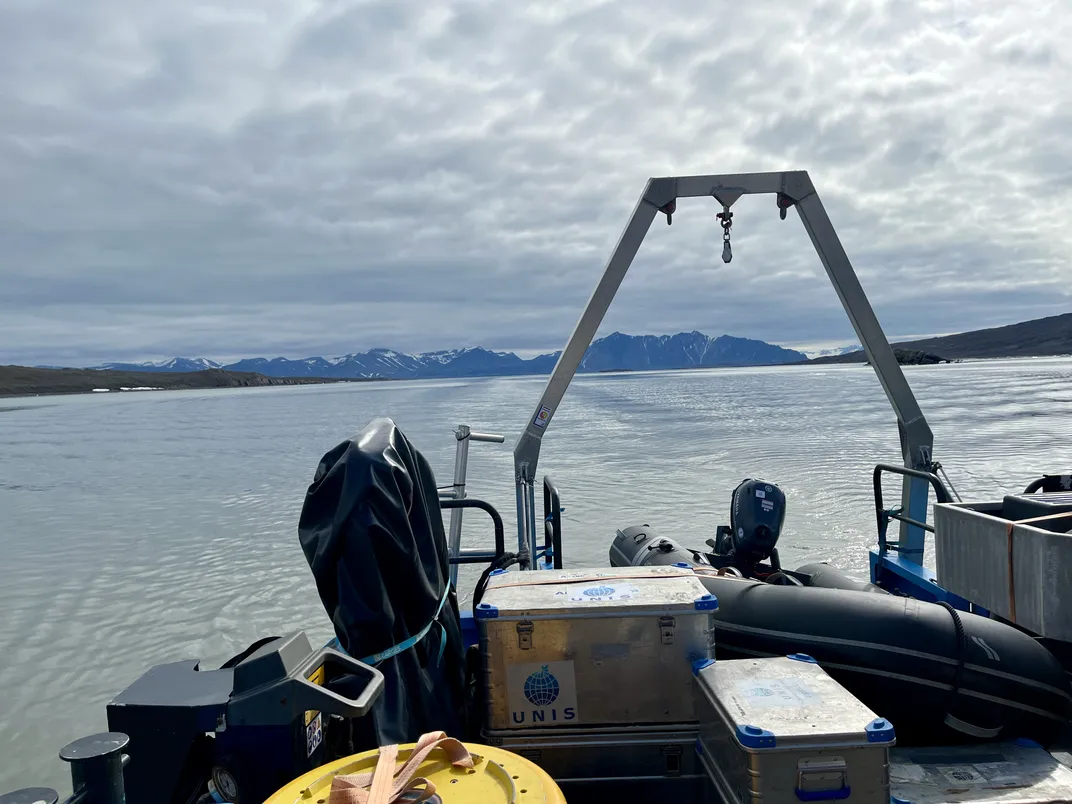
That possibility remains a research question, not an immediate replacement for existing energy systems. Finding hydrogen-producing bacteria in Arctic sediment does not by itself establish a practical fuel technology. Scientists would still need to understand how the organisms work, whether their processes can be reproduced reliably and what limits apply outside their native habitat. The value of the expedition may therefore lie first in identifying organisms and mechanisms that had not been closely studied, rather than in delivering a near-term energy product.
The project also places energy research alongside a broader effort to understand the seafloor. Cold-seep communities survive under conditions very different from those on land or near the sea surface, and their chemical relationships can reveal how life persists without sunlight. Examining them before the environment changes could help establish a record of the species and processes present in the Arctic today. That scientific record may become increasingly important if these habitats are transformed faster than researchers can study them.
What happens next will depend on what the sediment and microbial analyses reveal. The team’s observations of methane signals and their deep-sea collections provide a starting point, while the larger questions concern both scientific discovery and preservation. The Arctic seafloor may contain organisms relevant to future hydrogen research, but it is also a fragile natural archive whose secrets cannot be recovered once they are lost. The challenge is to learn from the ecosystem without treating it solely as a resource.
Source: Smithsonian Magazine
Related articles
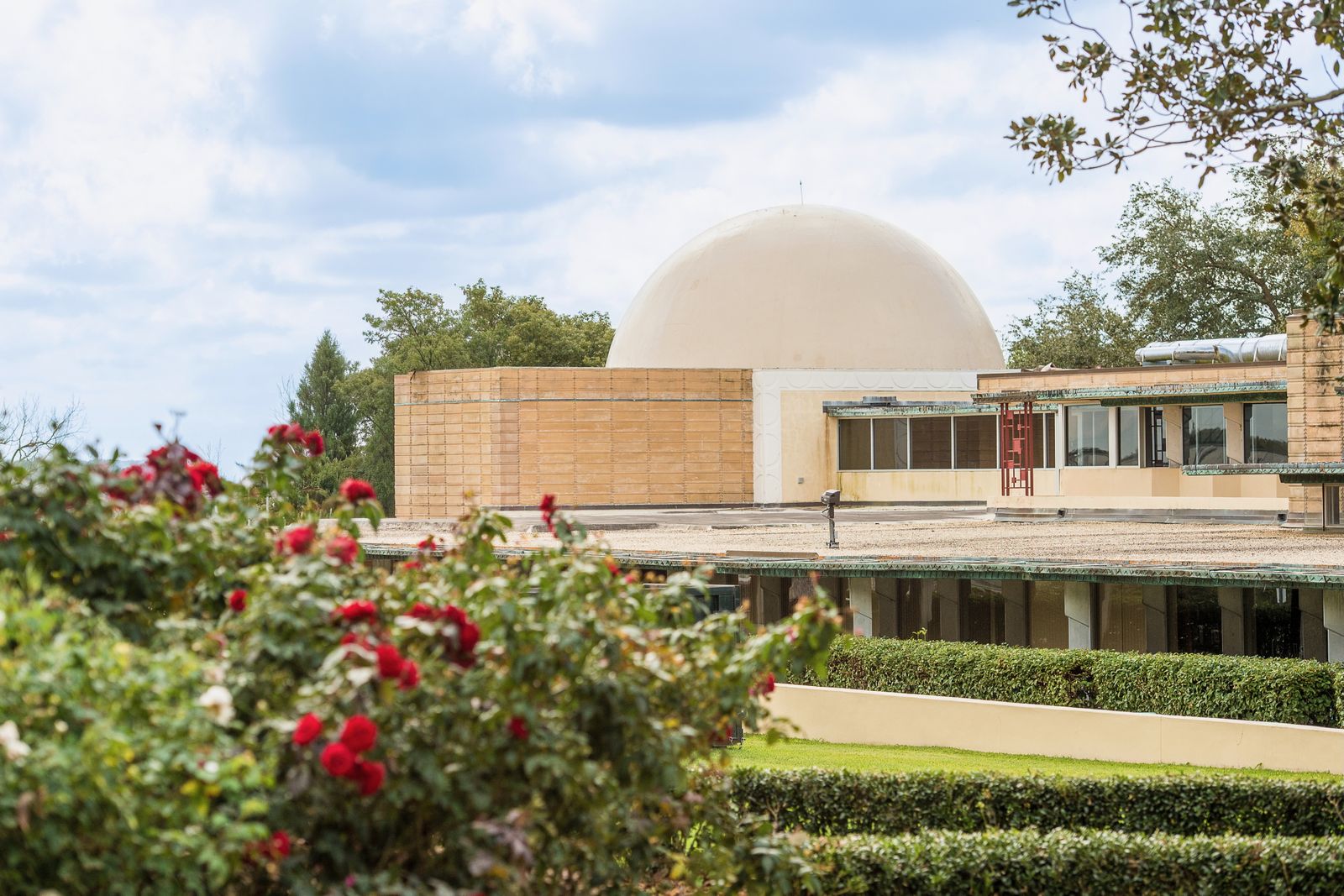
Immerse Yourself in the Cosmos at Frank Lloyd Wright's Only Planetarium, Recently Restored to Its Former Glory in Florida
Completed in 1958, the domed building is located on the campus of Florida Southern College, home to 13 Wright-designed buildings, the world's largest single-site collection of the architect's work

Play Tractor online with friends — free
Real-time Sheng Ji / Tractor for 3–5 players, with complete bidding and trump rules across web, iOS and Android.
Play bidfive →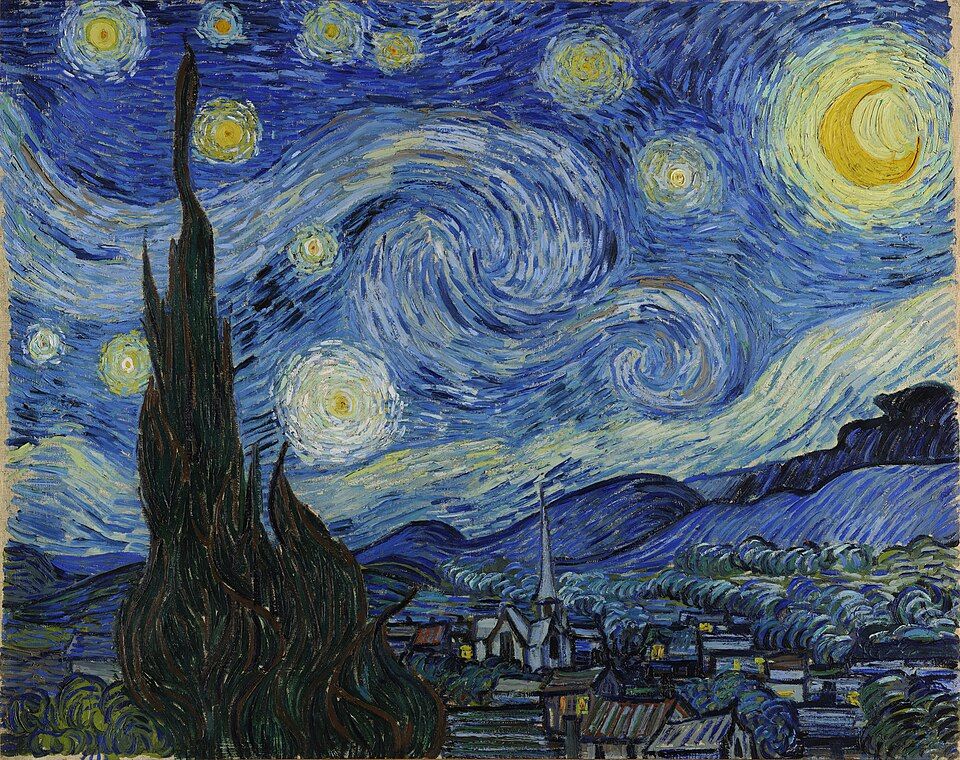
A Team of Astronomers Thinks They Have Identified the Exact Night Sky That Inspired Vincent van Gogh's 'Starry Night.' Not Everyone Is Convinced
Very few night skies seen from the south of France during the summer of 1889 would match the scene on van Gogh's canvas. A new study argues that it could have been July 22

'Pretty Boy' Floyd, One of the Most Notorious Outlaws of the Great Depression, Was Shot and Killed in an FBI Raid 92 Years Ago
Some Americans lauded the 30-year-old bank robber as a Robin Hood-esque folk hero. Others castigated him as a violent criminal whose misdeeds were emblematic of the troubled era

GTA 6 guides, updates and practical reference
Explore a Chinese GTA 6 guide library covering the release, map, characters, missions, vehicles and weapons.
Browse guides →
Create AI images with your own API key
aixipi runs on desktop/web, uses your own model API balance, and avoids subscription lock-in.
Try aixipi →