
These 15 Wonderful Photographs of Kenya’s World-Class Wildlife Will Have You Booking a Flight to the Savanna
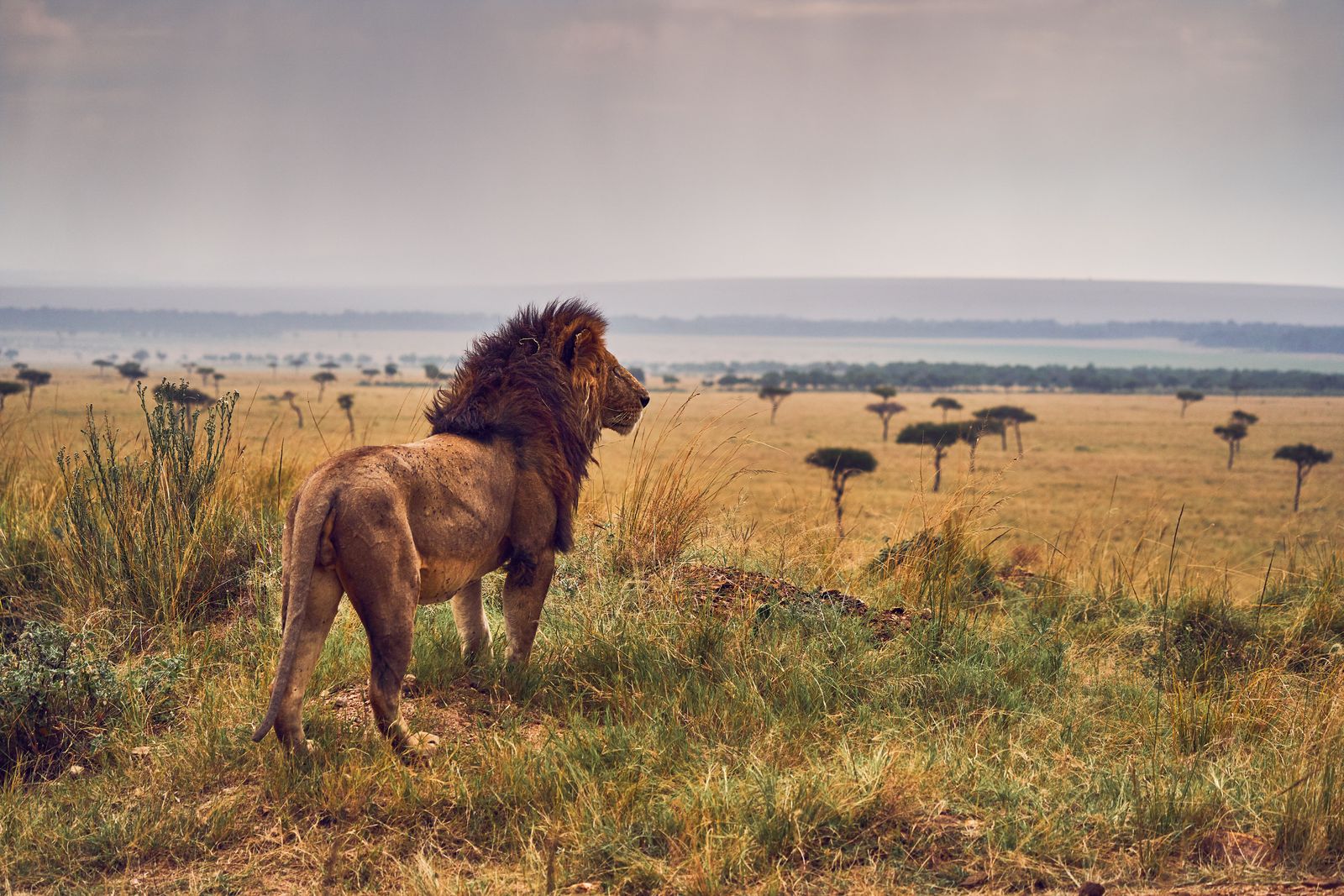
A collection of 15 wildlife photographs places Kenya’s open landscapes at the center of a visual travel story, using animals in their natural surroundings to draw attention to the country’s conservation areas. The images are presented as more than isolated animal portraits: together, they suggest a destination where wildlife remains a defining part of the experience. Kenya’s savanna becomes the setting for a broader look at the appeal of seeing animals beyond enclosed exhibits or heavily built environments.
The story’s central premise is that Kenya offers spaces in which notable wildlife can move through protected terrain without the limits associated with captivity. Its conservation parks form the foundation of that image, giving visitors a way to encounter animals in landscapes shaped around their continued presence. Rather than focusing on a single species, event or reserve, the photographic approach emphasizes the breadth of wildlife that gives the country its international reputation.
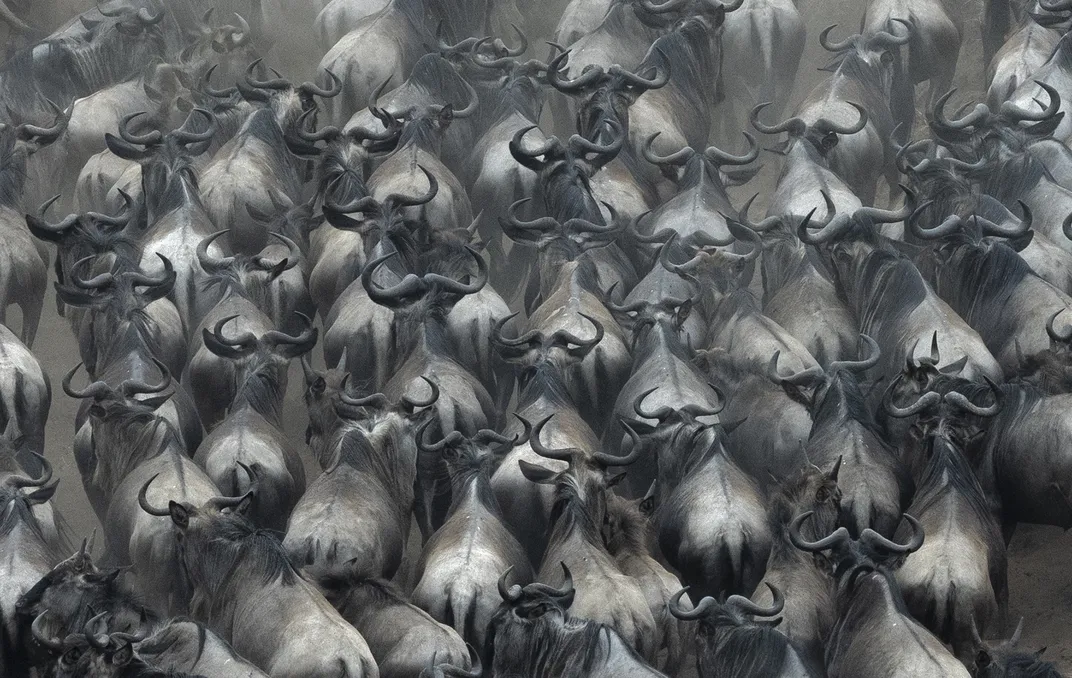
Photography is particularly suited to this subject because it can show the relationship between animal, light, distance and landscape in a single frame. A wildlife image does not only record an animal’s appearance; it can also convey scale, movement and the surrounding environment. In this collection, Kenya’s natural settings are inseparable from the animals themselves. The visual emphasis is therefore on habitat as well as wildlife, with the savanna serving as an essential part of what viewers are being invited to consider.
The photographs also reflect a familiar tension in travel storytelling. Images of free-ranging animals can encourage interest in distant places, but they can also simplify a complex conservation picture into a moment of beauty. The attraction is immediate: wildlife appears in expansive surroundings, and the viewer is encouraged to imagine being present. Yet the same framing points back to the importance of protected areas, since those landscapes are what make such encounters possible in the first place.
Kenya’s appeal in this account rests on the coexistence of tourism, photography and conservation. The parks described in the story are not merely scenic backdrops; they are the places where the country’s animal life is able to remain visible in the wild. That distinction matters to the article’s overall message. The destination is presented not simply as somewhere to travel, but as a place where protected natural spaces continue to shape how visitors understand wildlife.
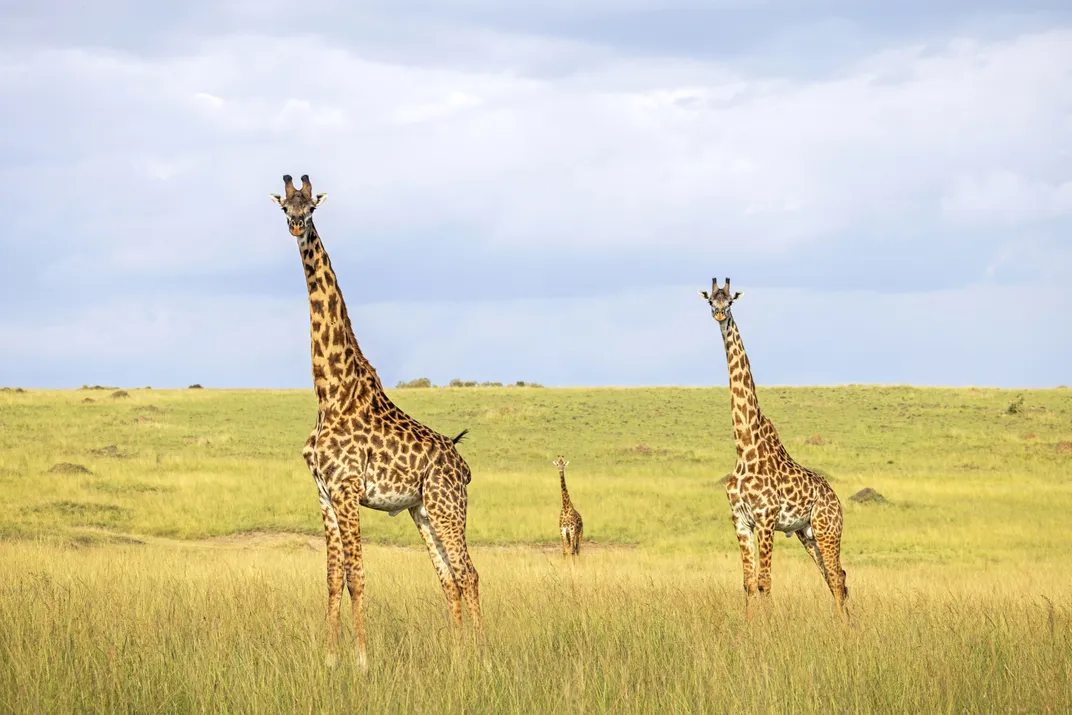
For a general audience, the collection offers an accessible entry point into a subject that can otherwise seem remote. Viewers do not need specialist knowledge to recognize the power of wildlife seen across open country. At the same time, the images leave room for a more considered reading: the scenes depend on conservation settings that support animals living outside cages, compounds and controlled displays. The photographs’ appeal is tied to that sense of freedom and distance.
There is also a practical caveat within the source material. Smithsonian Magazine says it participates in affiliate advertising arrangements, meaning that it may receive a commission when readers buy something through qualifying links. That disclosure is separate from the wildlife story itself, but it provides useful context about the commercial framework surrounding travel-oriented publishing. Readers considering travel inspiration from visual features can distinguish between the editorial subject and the outlet’s stated advertising relationships.
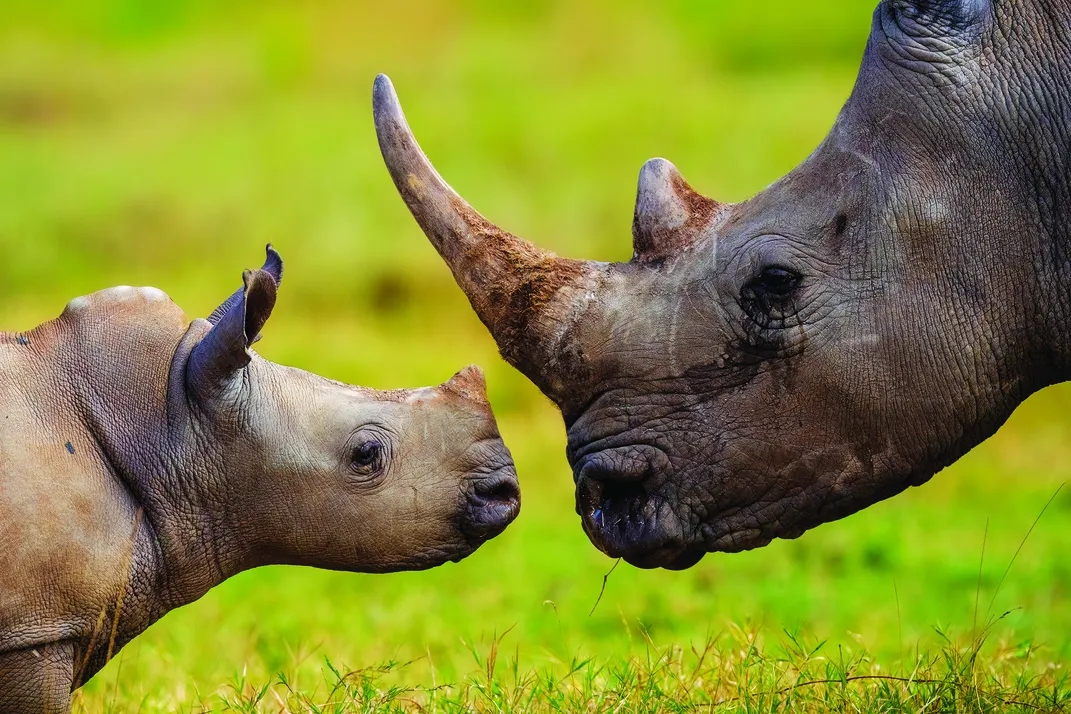
What the photographs ultimately leave viewers with is an invitation to look more closely at Kenya’s protected wildlife landscapes. The collection does not need a single dramatic claim to make its point: the presence of impressive animals moving through conservation parks is the story’s central draw. The next question is not only where a traveler might go, but how the continued protection of these places shapes the possibility of seeing wildlife in the environments where it belongs.
Source: Smithsonian Magazine
Related articles
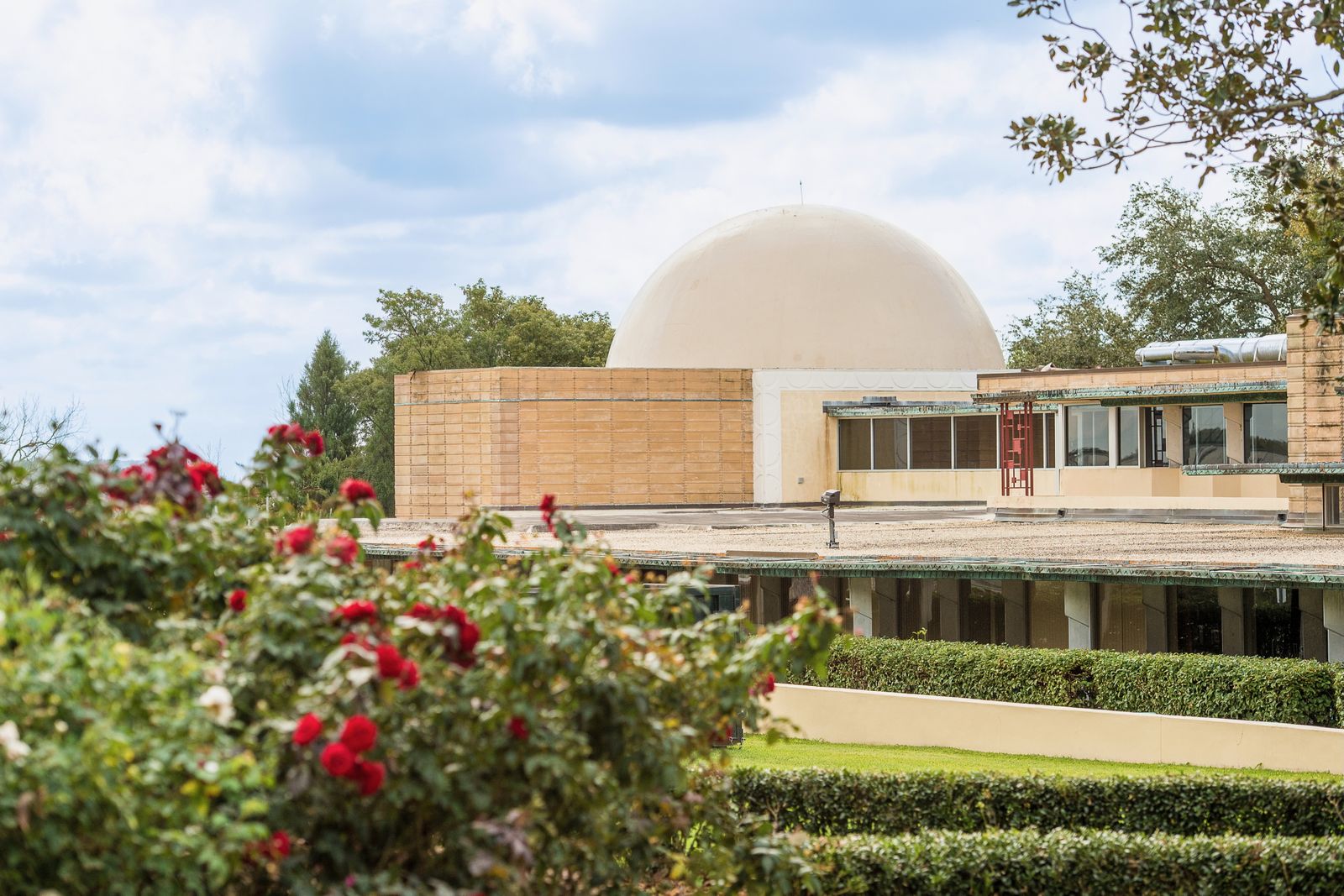
Immerse Yourself in the Cosmos at Frank Lloyd Wright's Only Planetarium, Recently Restored to Its Former Glory in Florida
Completed in 1958, the domed building is located on the campus of Florida Southern College, home to 13 Wright-designed buildings, the world's largest single-site collection of the architect's work

Play Tractor online with friends — free
Real-time Sheng Ji / Tractor for 3–5 players, with complete bidding and trump rules across web, iOS and Android.
Play bidfive →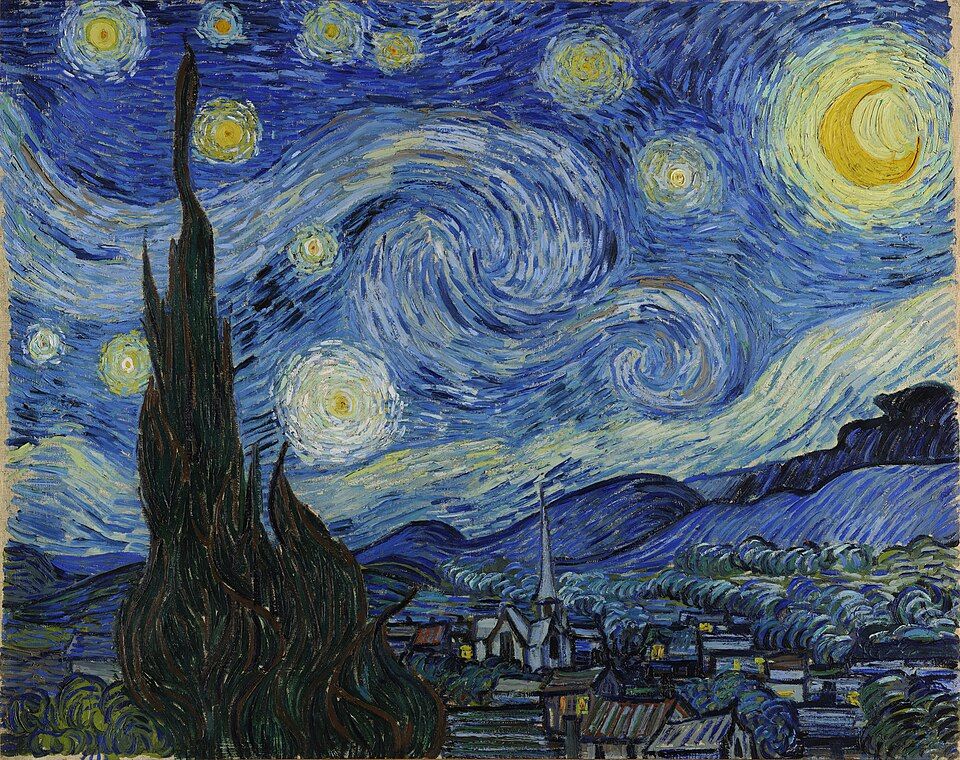
A Team of Astronomers Thinks They Have Identified the Exact Night Sky That Inspired Vincent van Gogh's 'Starry Night.' Not Everyone Is Convinced
Very few night skies seen from the south of France during the summer of 1889 would match the scene on van Gogh's canvas. A new study argues that it could have been July 22

'Pretty Boy' Floyd, One of the Most Notorious Outlaws of the Great Depression, Was Shot and Killed in an FBI Raid 92 Years Ago
Some Americans lauded the 30-year-old bank robber as a Robin Hood-esque folk hero. Others castigated him as a violent criminal whose misdeeds were emblematic of the troubled era

GTA 6 guides, updates and practical reference
Explore a Chinese GTA 6 guide library covering the release, map, characters, missions, vehicles and weapons.
Browse guides →
Create AI images with your own API key
aixipi runs on desktop/web, uses your own model API balance, and avoids subscription lock-in.
Try aixipi →