
These Adorable, Critically Endangered Pygmy Raccoons in Cozumel Are Teaching One Another to Turn Trash Into Toy Balls
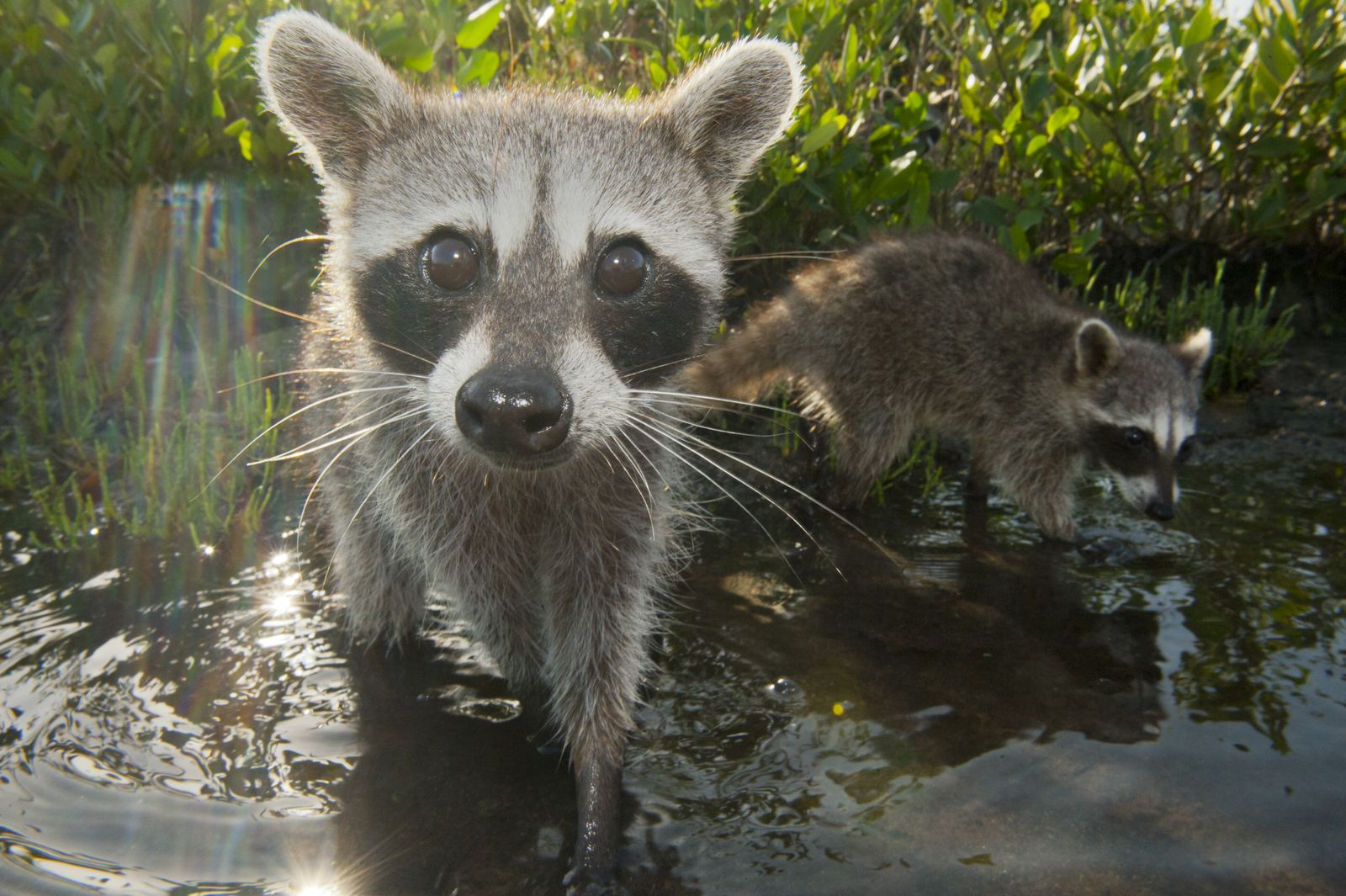
On Mexico’s Cozumel Island, researchers have recorded a small but revealing form of play among one of the world’s most threatened mammals. A young pygmy raccoon was seen turning a discarded paper receipt into a ball, then chasing and batting it around. A study published August 25 in Wild says the behavior was later observed within a family group, suggesting that the technique spread from one animal to another rather than remaining a one-off discovery.
The finding matters because pygmy raccoons are found nowhere beyond Cozumel, the Caribbean island east of the Yucatán Peninsula. The species is listed as critically endangered, and its known population includes fewer than 200 adult animals. That limited range and small number make even routine observations potentially important, especially when they reveal how the animals respond to an environment increasingly shaped by people.

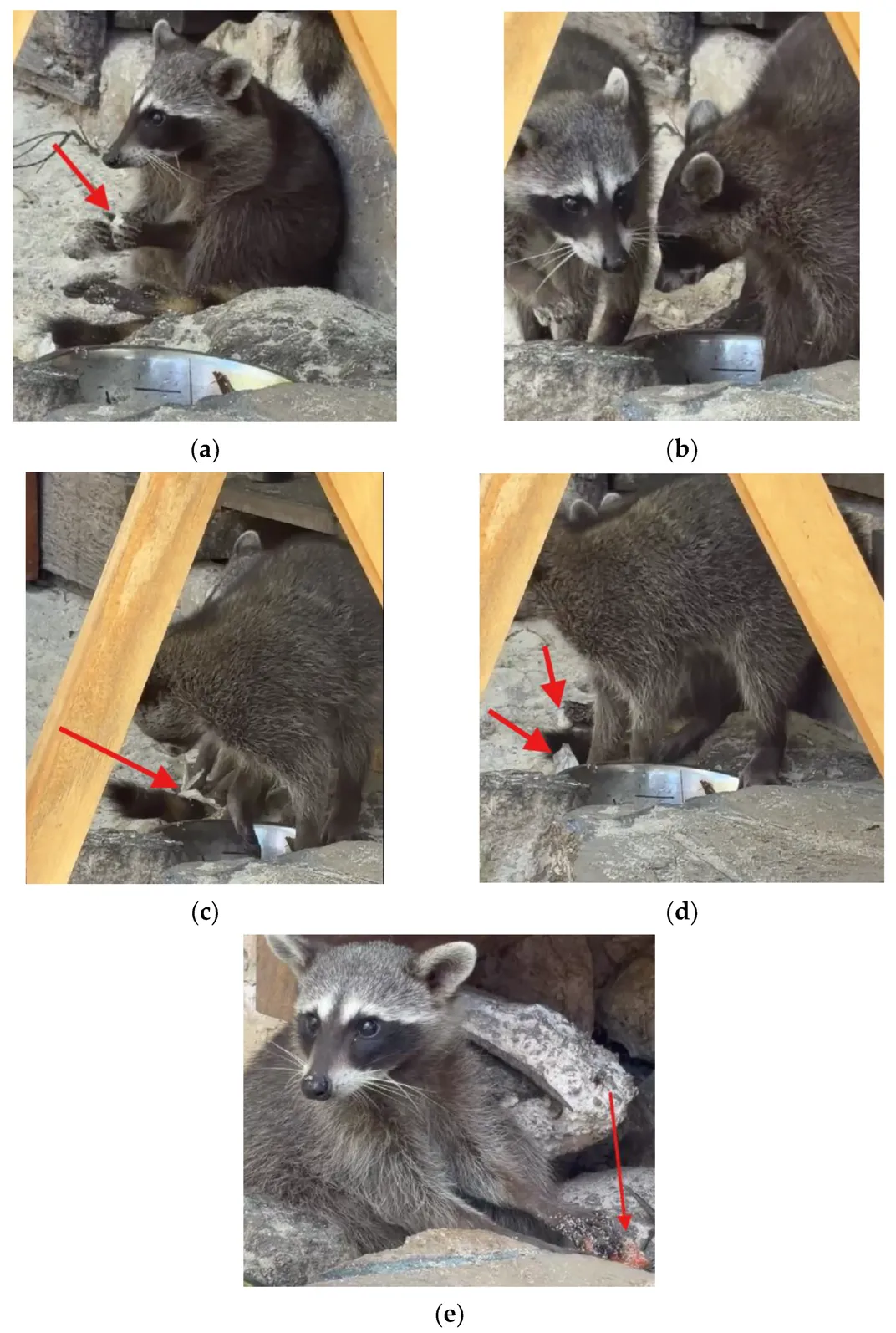
Cozumel is heavily visited by tourists, and its beaches and public areas can leave wildlife in close contact with human waste. Pygmy raccoons are already known to investigate rubbish containers in search of food remnants. In the new observation, however, the young raccoon appeared to ignore edible scraps and select something else: a receipt taken from a bin.
She carried the piece of paper to a water bowl and repeatedly soaked it. Using her forepaws and the sandy ground, she compressed and rolled the wet receipt until it became a small, rough ball. Instead of eating it, she played with it, pushing, striking and pursuing the improvised object across the ground.
Researchers concluded that the episode did not simply reflect an individual animal amusing itself with an unusual item. Their report describes the behavior as a learned practice within a pygmy raccoon family. In that account, the value of the observation lies not only in the paper ball but in the apparent transfer of a method: a member of the group could learn how to transform a found material and use the result in play.
The authors identify the behavior as the first documented example of material culture in the Procyonidae family. That group includes raccoons, coatis, ringtails and related climbing mammals. In this context, material culture refers to a way of handling an object that is shared or passed on socially, rather than arising independently each time an animal encounters the same material.
The report adds a rare behavioral detail to what is known about an animal already under intense conservation concern. Small, isolated populations can be difficult to study, and observations of learning can help researchers consider animals as social individuals as well as members of a declining species. The evidence described in the study is specific to this family and behavior, rather than proof that every pygmy raccoon makes or plays with paper balls.
There is also a less cheerful side to the scene. The object that became a toy began as discarded litter in a tourist destination. The raccoon’s ingenuity does not make rubbish harmless, and the observation underscores the persistent overlap between wildlife behavior and the waste left in shared coastal spaces. What looks playful at close range also reflects the pressures humans bring into a species’ only home.
Further observation will be needed to show how often the behavior occurs, whether it appears in other pygmy raccoon groups and how long it persists. For now, the study offers an unusual snapshot: a critically endangered island raccoon using a soaked receipt to make a toy, while researchers track signs that the idea itself may have been learned from another raccoon.
Source: Smithsonian Magazine
Related articles

Immerse Yourself in the Cosmos at Frank Lloyd Wright's Only Planetarium, Recently Restored to Its Former Glory in Florida
Completed in 1958, the domed building is located on the campus of Florida Southern College, home to 13 Wright-designed buildings, the world's largest single-site collection of the architect's work

Play Tractor online with friends — free
Real-time Sheng Ji / Tractor for 3–5 players, with complete bidding and trump rules across web, iOS and Android.
Play bidfive →
A Team of Astronomers Thinks They Have Identified the Exact Night Sky That Inspired Vincent van Gogh's 'Starry Night.' Not Everyone Is Convinced
Very few night skies seen from the south of France during the summer of 1889 would match the scene on van Gogh's canvas. A new study argues that it could have been July 22

'Pretty Boy' Floyd, One of the Most Notorious Outlaws of the Great Depression, Was Shot and Killed in an FBI Raid 92 Years Ago
Some Americans lauded the 30-year-old bank robber as a Robin Hood-esque folk hero. Others castigated him as a violent criminal whose misdeeds were emblematic of the troubled era

GTA 6 guides, updates and practical reference
Explore a Chinese GTA 6 guide library covering the release, map, characters, missions, vehicles and weapons.
Browse guides →
Create AI images with your own API key
aixipi runs on desktop/web, uses your own model API balance, and avoids subscription lock-in.
Try aixipi →