
This Hospital Ship Sank Off Albania's Coast During World War II. Now, It’s Teeming With Marine Life
More than 80 years after an Italian hospital ship went down in Albanian waters during World War II, scientists say the wreck has become a busy refuge for sea life. A recent survey of the Po found an underwater community living around the sunken vessel, with observations that included Mediterranean monk seals, a species regarded as rare in the region. The findings recast a site marked by wartime loss as one that now also carries ecological importance.
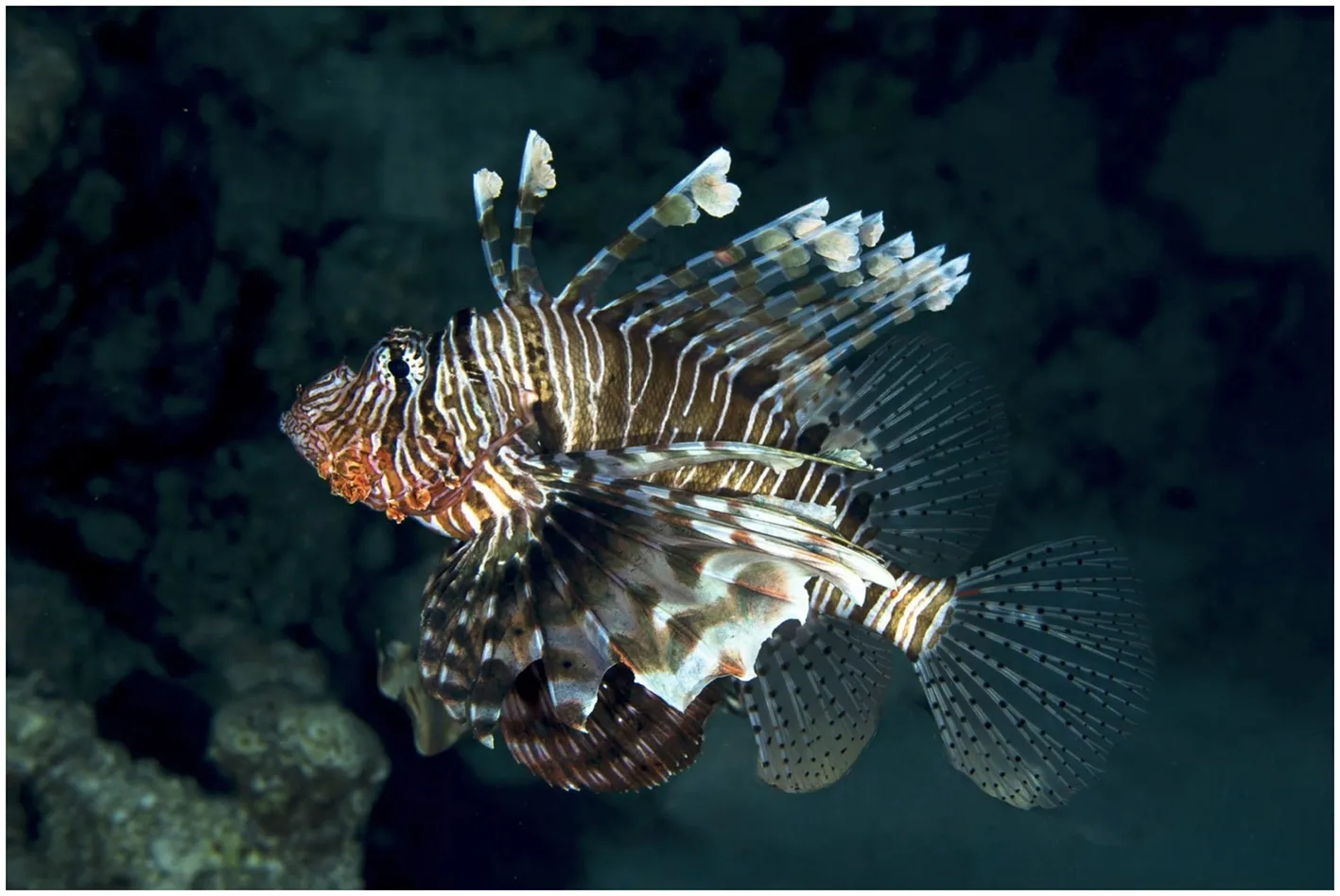
The survey has been described in a study published on July 26 in Frontiers in Ocean Sustainability, under a Creative Commons Attribution 4.0 license. Researchers recorded animals using the remains of the ship and its surrounding waters, adding new detail to the condition of the wreck decades after the sinking. Among the fish observed were devil firefish, an invasive species. Their presence shows that the wreck is part of a changing Mediterranean environment, not simply a preserved historical scene.
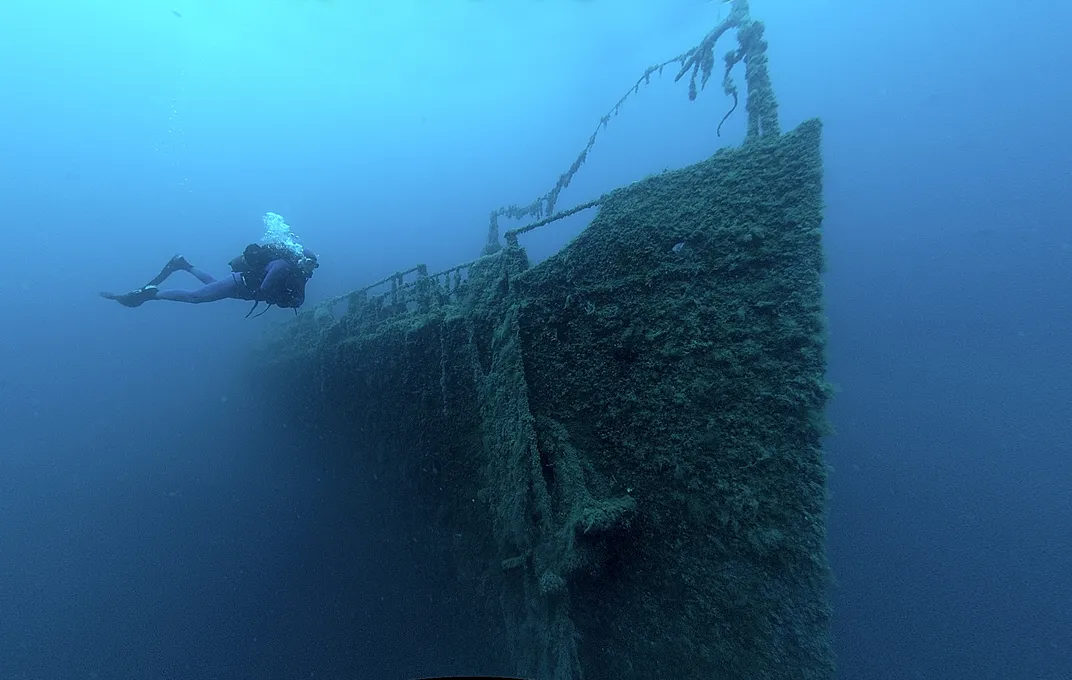
The Po sank while serving as an Italian medical vessel in 1941. On the evening of March 14, it was leaving Vlora Bay with wounded Italian troops being taken away from Albania. A British Swordfish aircraft launched a torpedo that struck the ship. The attack came during a wider conflict in which control of sea routes and coastal positions shaped military operations across the Mediterranean.
After the hit, the vessel began filling with water and was lost in roughly ten minutes. Of the 240 people on board, 23 died. The dead included three workers connected with the Italian Red Cross. The disaster therefore joined the personal costs of a campaign that extended beyond combatants, even though the ship’s role was medical evacuation.
One of those who survived was Edda Ciano, daughter of Italian dictator Benito Mussolini. She was married to Galeazzo Ciano, Italy’s foreign minister at the time. Her survival links the sinking to the upper levels of Fascist Italy’s political leadership, while the casualty count reflects the far broader group of patients, crew and relief personnel who were caught in the event.
Hospital ships occupied a special legal position during World War II. International humanitarian rules afforded them protection, and their outward appearance was meant to make their purpose recognizable: white hulls, green stripes, red-cross markings and lighting after dark. Those requirements were intended to distinguish medical transport from ordinary naval traffic and to reduce the risk of an attack.
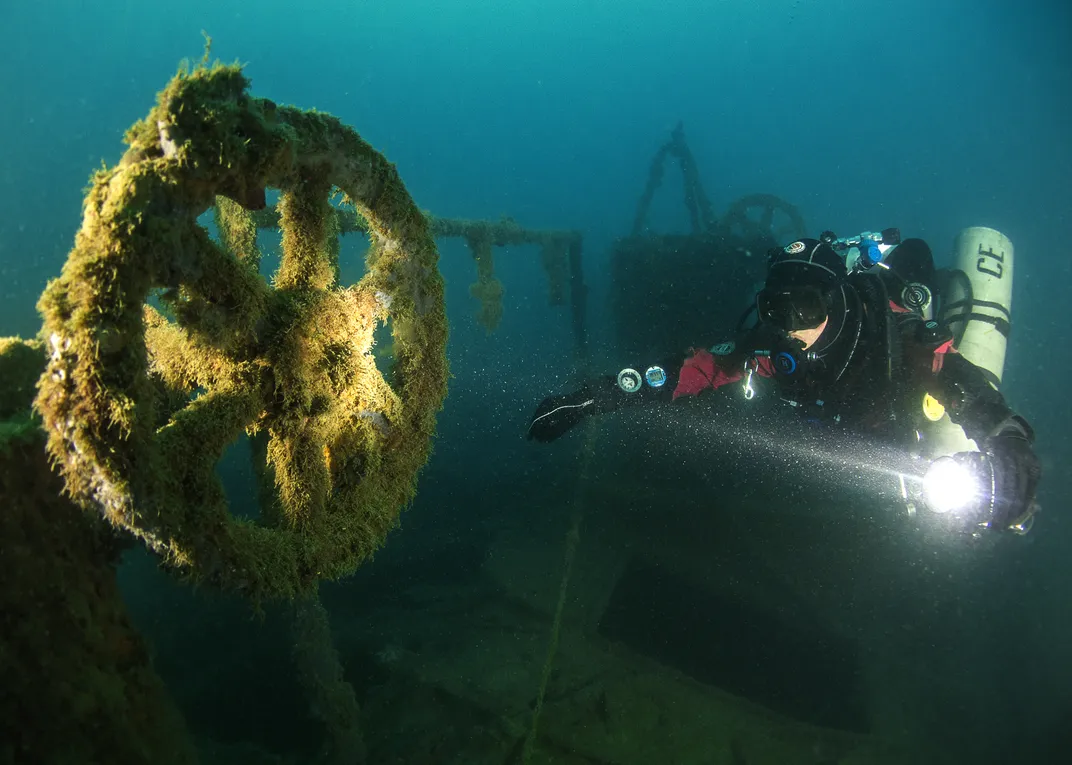
But the Po was not illuminated on the night it was struck. Its lights had been deliberately switched off because officials feared they could expose other vessels moored in the bay. To crews operating amid military traffic, darkness could be a precaution. Yet it also removed a signal that international rules expected hospital ships to display.
The newly documented wildlife does not lessen the human tragedy of the sinking, but it adds another layer to how the site is understood. Monk seals using the area indicate that the wreck and nearby seabed can provide space for animals of particular conservation interest. At the same time, the devil firefish observation is a reminder that habitat use is not an uncomplicated measure of ecological health when non-native species are also present.
The research offers a snapshot rather than a final account of the Po’s underwater future. Continued monitoring could help show whether the species recorded during this survey remain associated with the wreck, whether other marine life is using it and how invasive fish affect the community. For now, the vessel off Albania’s coast stands as both a wartime grave site and a living marine habitat shaped by the decades since it disappeared below the surface.
Source: Smithsonian Magazine
Related articles
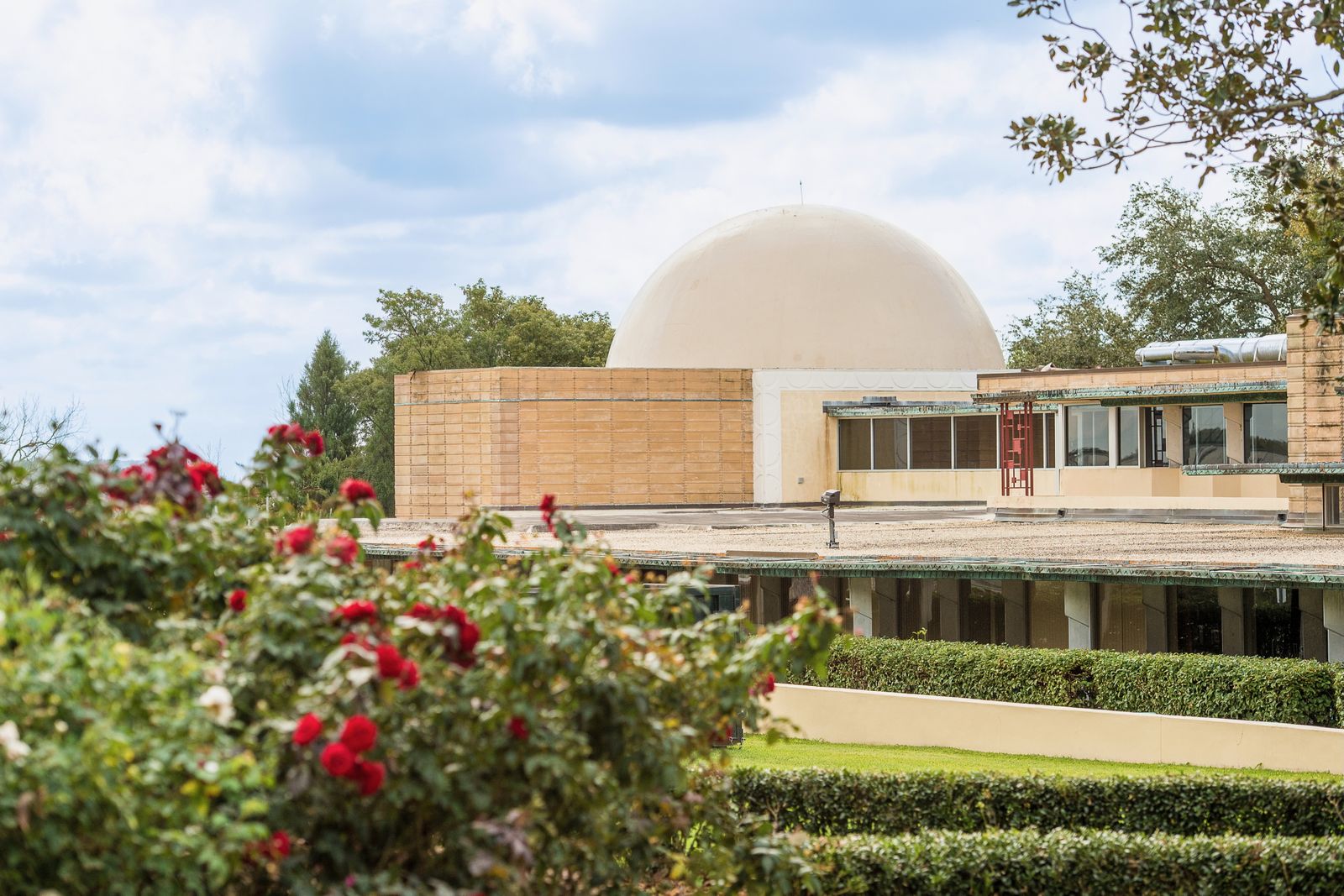
Immerse Yourself in the Cosmos at Frank Lloyd Wright's Only Planetarium, Recently Restored to Its Former Glory in Florida
Completed in 1958, the domed building is located on the campus of Florida Southern College, home to 13 Wright-designed buildings, the world's largest single-site collection of the architect's work

Play Tractor online with friends — free
Real-time Sheng Ji / Tractor for 3–5 players, with complete bidding and trump rules across web, iOS and Android.
Play bidfive →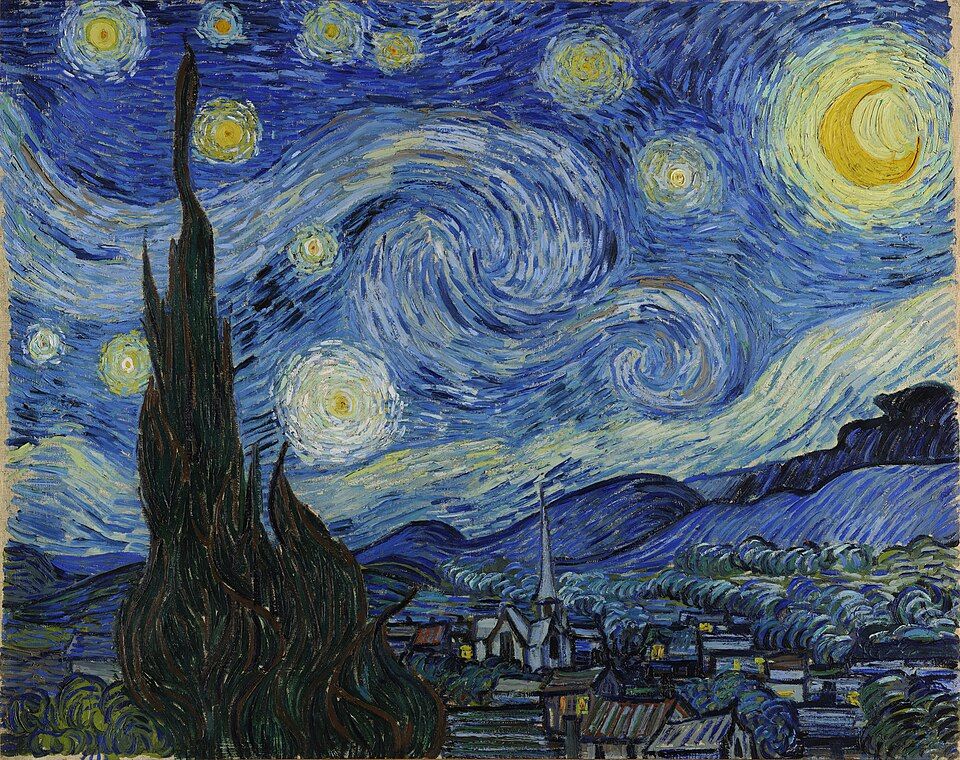
A Team of Astronomers Thinks They Have Identified the Exact Night Sky That Inspired Vincent van Gogh's 'Starry Night.' Not Everyone Is Convinced
Very few night skies seen from the south of France during the summer of 1889 would match the scene on van Gogh's canvas. A new study argues that it could have been July 22

'Pretty Boy' Floyd, One of the Most Notorious Outlaws of the Great Depression, Was Shot and Killed in an FBI Raid 92 Years Ago
Some Americans lauded the 30-year-old bank robber as a Robin Hood-esque folk hero. Others castigated him as a violent criminal whose misdeeds were emblematic of the troubled era

GTA 6 guides, updates and practical reference
Explore a Chinese GTA 6 guide library covering the release, map, characters, missions, vehicles and weapons.
Browse guides →
Create AI images with your own API key
aixipi runs on desktop/web, uses your own model API balance, and avoids subscription lock-in.
Try aixipi →