
This Woman Who Lived in 14th-Century China May Have Had Her Nose Cut Off as Punishment for Theft or Adultery
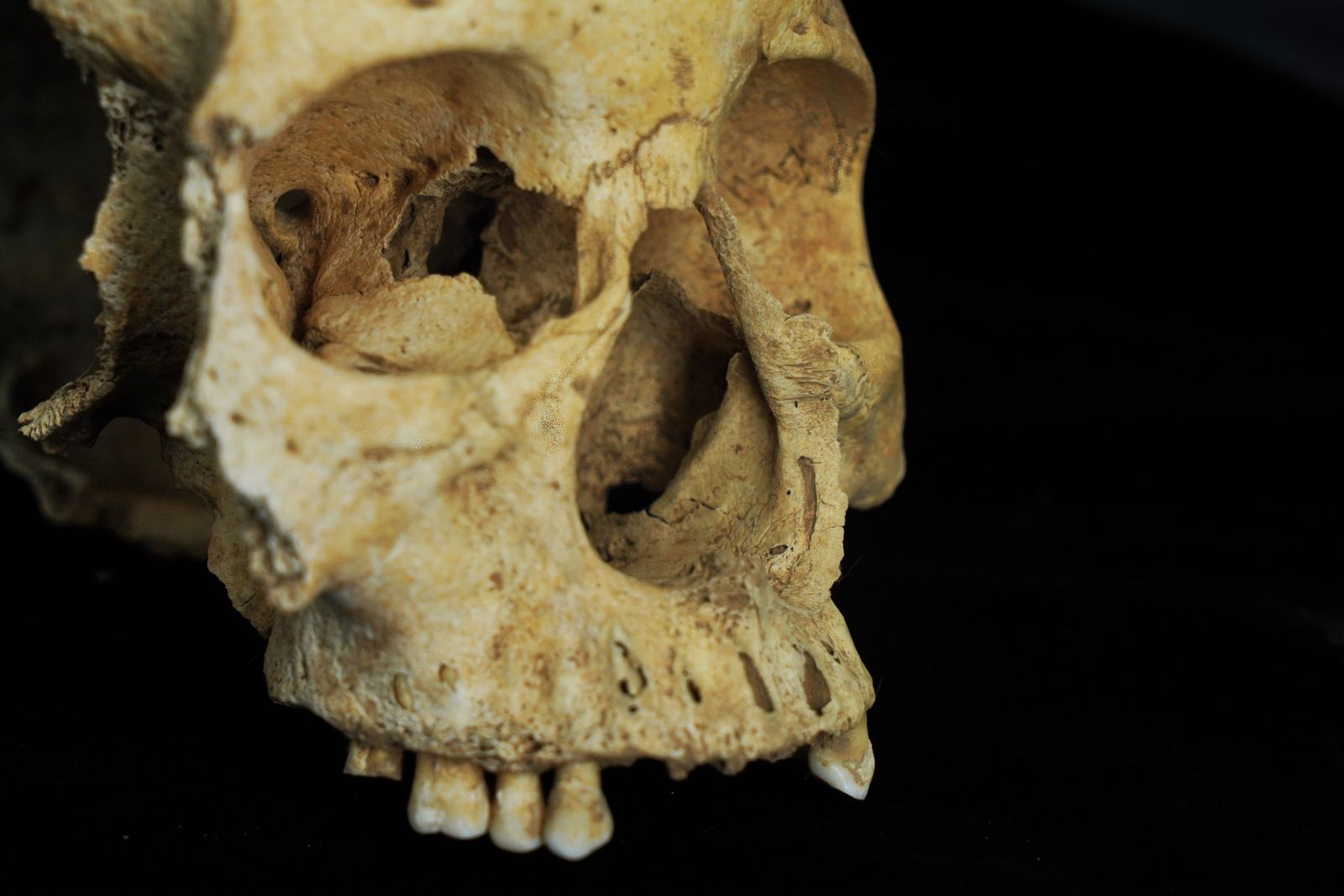
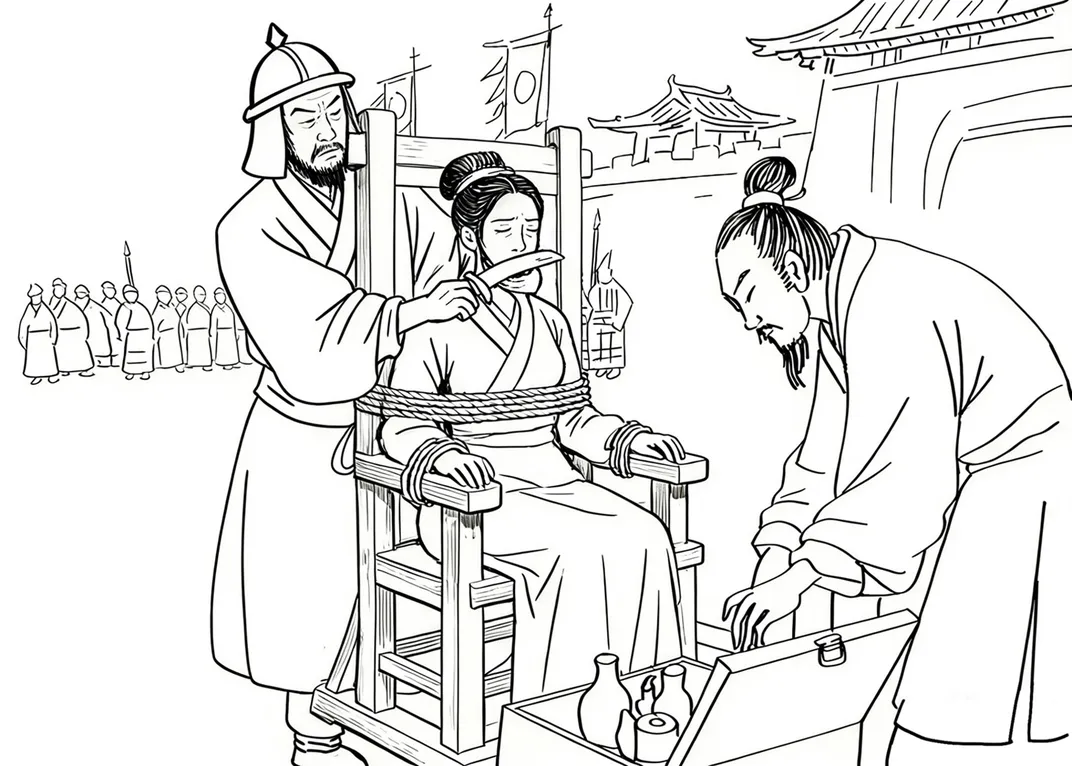
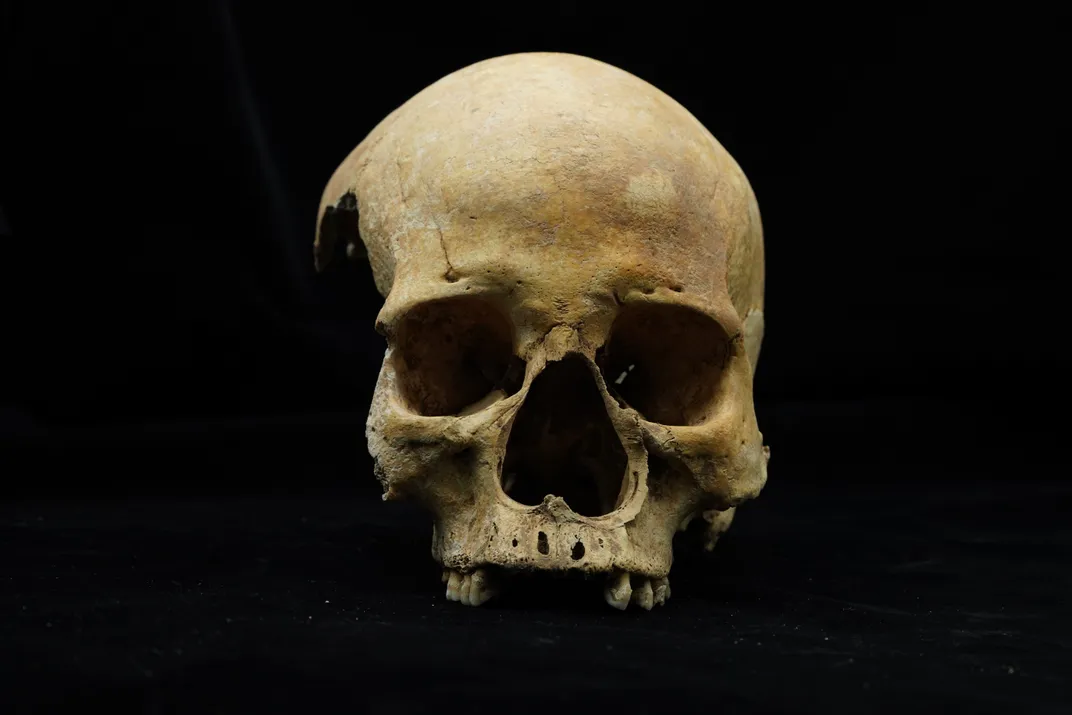
A woman buried in Henan province about seven centuries ago may have endured one of imperial China’s most severe corporal penalties: the removal of her nose. A newly reported examination of her skull found evidence that the injury had begun to heal, indicating that she lived beyond the procedure. The researchers say the case could represent the first skeletal confirmation that facial mutilation was used as judicial punishment in ancient China. The woman lived during the fourteenth century, placing the finding within a period that remains distant from modern forensic documentation.
The findings appear in Journal of Archaeological Science: Reports. They center on bone changes around the woman’s nasal area, rather than on a written accusation or a surviving court record. That distinction is important. The remains can document trauma and recovery, but they cannot identify the precise allegation that preceded it. Theft and adultery are among the offenses associated with the punishment considered by the researchers. The report therefore frames its conclusion as a likelihood, not a settled reconstruction of a single person’s legal history.
Archaeologists first reached the site in 2018, when a planned trade-school project required a survey of the land. Their investigation uncovered a cemetery with 299 tombs. Among the many burials was the woman at the center of the study, estimated to have been 40 to 45 years old when she died. Her remains offered an unusual combination of physical injury and burial treatment for the team to assess. The excavation, originally connected to construction planning, ultimately brought a much older story into scientific study.
She had been placed face down, unlike every other person identified in the burial ground. Such an arrangement may point to social stigma or unequal treatment after death, the researchers suggest. She was also interred by herself rather than in the family or collective burial setting that was customary there. Neither feature establishes why she was punished, but together they add social context to the injuries observed on her skull. The contrast with the cemetery’s other graves is one reason the burial draws particular attention.
The apparent healing is central to the interpretation. It means the woman likely survived an intervention that would have been intensely painful and visibly disfiguring. The researchers also raise the possibility that she later used a replacement nose. A prosthesis has not been recovered with her remains, and the suggestion remains an inference, but it opens a view of how a survivor might have navigated life after a public and permanent penalty. Recovery in this case does not erase the gravity of the injury; instead, it makes her subsequent life an important part of the evidence.
For archaeology, the discovery matters because it links material evidence to a punishment previously understood without this kind of direct skeletal case. A skull can preserve signs of injury that do not come with an individual’s name or testimony. At the same time, the case underscores the limits of that record: bone evidence cannot reveal the legal process she faced, the people around her, or how long she lived after the injury. It can support a carefully drawn conclusion, but not fill every gap in her biography.
The burial also complicates any simple account of punishment as an event that ended with a sentence. If the interpretation is correct, the woman survived the sanction, while the orientation and isolation of her grave may indicate that its consequences extended into death. Her case offers a rare individual-scale glimpse of how law, bodily harm and social exclusion could overlap in the past, without resolving each part of her personal history. It also separates the physical proof of trauma from the broader social interpretation of her burial.
Further examination of the cemetery and comparison with other excavated remains may help researchers test how exceptional this burial was and refine the explanation for the nasal damage. Future work could clarify the relationship between the woman’s injury and the unusual way she was buried, though the current evidence cannot supply a final answer. For now, the report presents a limited conclusion: a woman from fourteenth-century China appears to have survived facial mutilation, and the available evidence is consistent with punishment for an alleged offense. The unanswered questions remain as significant as the unusual injury itself.
Source: Smithsonian Magazine
Related articles

Immerse Yourself in the Cosmos at Frank Lloyd Wright's Only Planetarium, Recently Restored to Its Former Glory in Florida
Completed in 1958, the domed building is located on the campus of Florida Southern College, home to 13 Wright-designed buildings, the world's largest single-site collection of the architect's work

Play Tractor online with friends — free
Real-time Sheng Ji / Tractor for 3–5 players, with complete bidding and trump rules across web, iOS and Android.
Play bidfive →
A Team of Astronomers Thinks They Have Identified the Exact Night Sky That Inspired Vincent van Gogh's 'Starry Night.' Not Everyone Is Convinced
Very few night skies seen from the south of France during the summer of 1889 would match the scene on van Gogh's canvas. A new study argues that it could have been July 22

'Pretty Boy' Floyd, One of the Most Notorious Outlaws of the Great Depression, Was Shot and Killed in an FBI Raid 92 Years Ago
Some Americans lauded the 30-year-old bank robber as a Robin Hood-esque folk hero. Others castigated him as a violent criminal whose misdeeds were emblematic of the troubled era

GTA 6 guides, updates and practical reference
Explore a Chinese GTA 6 guide library covering the release, map, characters, missions, vehicles and weapons.
Browse guides →
Create AI images with your own API key
aixipi runs on desktop/web, uses your own model API balance, and avoids subscription lock-in.
Try aixipi →