
Trump says Russia and Ukraine agree to an 'energy ceasefire'

President Donald Trump said Russia and Ukraine had accepted an immediate halt to attacks involving energy infrastructure, describing the arrangement Sunday as an “energy ceasefire.” The announcement, made as the war entered its fourth and a half year, supplied few particulars about what either side had committed to do, how compliance would be assessed or whether the governments in Moscow and Kyiv had publicly endorsed the same terms. Soon afterward, Ukrainian officials said Russian attacks had struck energy-related locations.
Trump’s statement appeared in a short post on social media. He said the arrangement was already in force and warned the parties against violating it. Beyond that, he did not identify the participants in any talks, set out a duration, define the facilities that would be covered or describe any mechanism for addressing alleged breaches. Those omissions leave the practical meaning of the declaration unclear.

The apparent contrast between Trump’s announcement and Kyiv’s subsequent account is central to the development. Ukraine reported that Moscow had targeted energy sites after the president’s post, raising an immediate question over whether the reported attacks fell outside any proposed terms, occurred before an agreement was communicated to forces, or represented conduct that Kyiv considers a violation. Russia’s position was not described in the available account.
Energy infrastructure has particular significance in a prolonged conflict because power, fuel and related systems support daily civilian life as well as the operation of public services. A narrow pause focused on those targets would not necessarily amount to a broader end to fighting. It could instead be limited to a defined class of sites, if the parties agreed on definitions and if each side recognized the same boundaries.
None of those conditions was established by Trump’s post. The announcement did not say whether the arrangement covered electricity generation, transmission networks, fuel supplies, repair crews or other facilities connected to energy. It also did not indicate whether drones, missiles or other weapons were included, or whether either country had accepted obligations beyond refraining from particular strikes.
The lack of detail also makes any early assessment difficult. A ceasefire claim can be tested only against identifiable rules, a shared starting point and credible information about events on the ground. In this case, Trump declared that the pause had begun immediately, while Ukraine’s report of fresh attacks produced a competing account almost at once. Without published terms, outside observers cannot readily determine how either side would measure compliance.
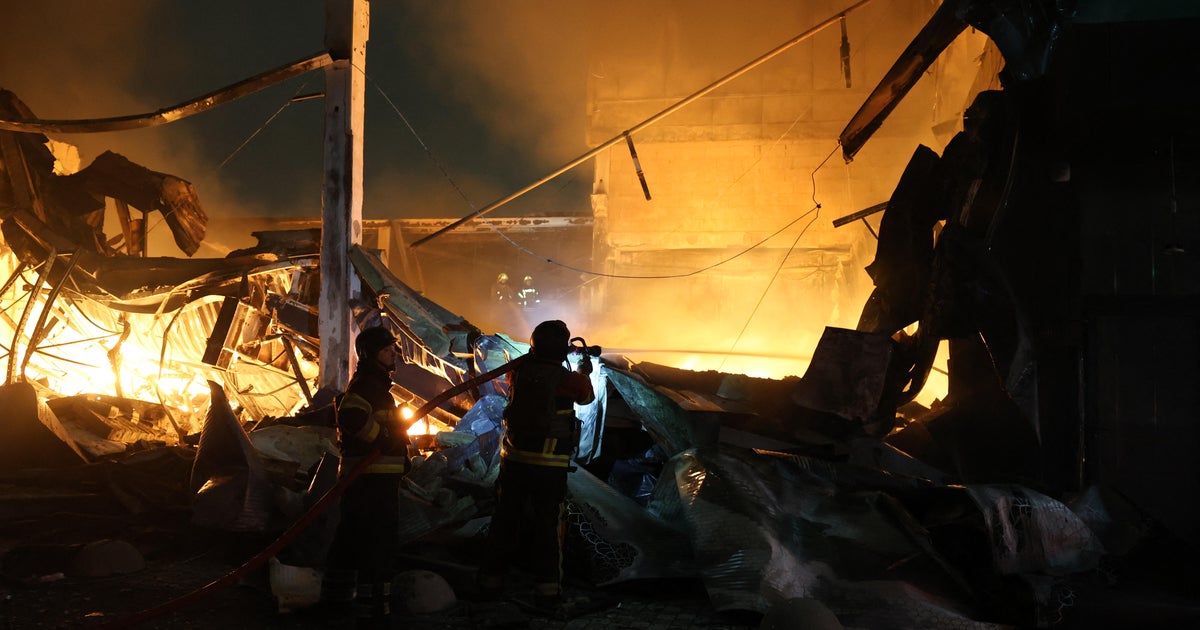
The wider war remained visible away from the energy question. In Kharkiv, a Russian strike destroyed residential homes, and a rescue worker was seen putting out a fire at the damaged buildings on Sunday. That episode underscored that the reported energy arrangement, even if it exists and takes hold, was not presented as a comprehensive halt to violence or a settlement of the conflict.
For Kyiv, the reported strikes following Trump’s statement create a reason for caution about the value of an unelaborated declaration. For supporters of a pause, the same episode highlights the need for a clear public account of what is prohibited and when the restrictions begin. The differing accounts do not by themselves resolve whether an agreement was reached; they show why its terms and implementation would matter.
What happens next will depend on whether Russia and Ukraine provide matching descriptions of the arrangement and whether attacks on energy-related targets continue. Further information would be needed to establish the scope of any pause, its duration and a process for handling disputes. Such an account would need to distinguish a formal bilateral commitment from a public assertion that one exists, and clarify whether either government had conveyed operational instructions to the forces carrying out the war in time to affect events reported on Sunday. Until then, Trump’s announcement stands alongside Ukraine’s report of continuing attacks, rather than as a fully documented agreement.
Source: NPR World
Related articles
Zelenskyy accuses Russia of using cluster warheads in deadly strikes
Russia launched the strikes on Ukraine less than a day after negotiations to end the war, which also involved the United States, ended in St. Petersburg.

Create AI images with your own API key
aixipi runs on desktop/web, uses your own model API balance, and avoids subscription lock-in.
Try aixipi →
At least 16 dead when powerful 7.0 magnitude earthquake strikes Tibet
It was the biggest earthquake in the region in the last five years, China

See how Big Tech is transforming Spain's landscape
A drought-stricken region of northeast Spain has become a focus for American companies searching for locations to place their data centers.