
Trump says Ukraine needs to stop targeting Russian refineries

President Donald Trump said Sunday that Ukraine should stop striking Russian oil refineries, arguing that the campaign is contributing to a diesel shortage inside Russia. His comments introduced a new public U.S. warning to Kyiv while Russian and Ukrainian forces continued extensive drone operations that brought deaths, injuries and damage on both sides of the war. The intervention came at a moment when attacks on infrastructure and civilian areas remain central to the conflict's wider consequences.
Speaking while in Ireland for the Irish Open at his golf property, Trump was asked whether he had talked with Ukrainian President Volodymyr Zelenskyy after a recent conversation with Russian President Vladimir Putin. Rather than describe any further contact with Kyiv, Trump said Zelenskyy needed to end attacks affecting Russian diesel production. He said Ukraine could pursue other objectives, but should leave diesel-related facilities alone because of the reported fuel shortfall. The exchange linked Trump's call directly to the effects he said were being felt by Russian consumers and businesses.
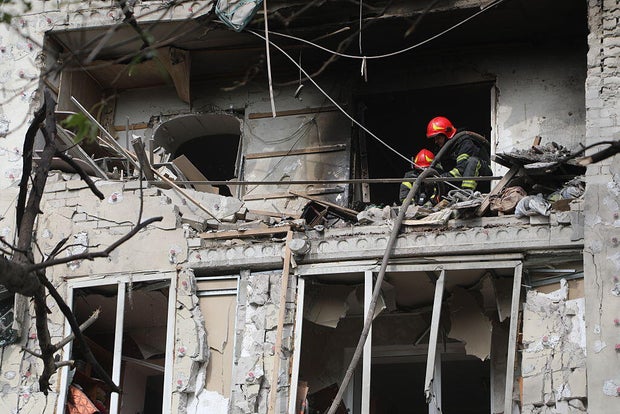
The request focuses attention on Ukraine's expanding use of long-range drones against Russia's energy system. Kyiv has presented oil and gas installations as valid wartime targets, saying the sector supplies revenue for Moscow's invasion and provides fuel used by Russian forces. The campaign has also reached beyond industrial sites: Ukraine has struck major online retailers, extending the disruption felt by Russians farther from the front line.
Russia is a major exporter of oil and natural gas, yet the drone offensive has been associated with fuel rationing in parts of the country. That contrast illustrates why refineries have become strategically important in the conflict. Damage or interruptions at processing facilities can affect the availability of refined products even when a country remains a substantial producer of crude oil and gas. For Ukraine, the stated objective is to impose costs on a system it says supports the Russian military effort.
Trump's position differs from Kyiv's stated rationale for targeting the industry. Ukraine describes the energy sector as intertwined with Russia's ability to finance and sustain the war; Trump emphasized the domestic consequence for diesel supplies. The remarks did not establish whether Kyiv would change its targeting decisions, nor did they set out a broader agreement between the United States, Ukraine and Russia on energy infrastructure. It was also unclear whether the issue featured in Trump's recent discussion with Putin.
The exchange came after another night of reciprocal aerial attacks. Officials in Russia's Tatarstan region said two people were killed. Ukrainian authorities, meanwhile, reported Russian drone strikes on the Black Sea port city of Odesa and said a fire broke out near a crossing on the Polish border. The latest incidents underscored the continuing risk to civilians and critical transport or commercial areas far from some battlefield positions.
Russia has intensified its aerial campaign in recent weeks, deploying ballistic missiles and jet-powered drones in attempts to overcome Ukrainian air defenses. The pressure comes as Ukraine's supply of interceptor missiles has diminished. Ukrainian officials say Moscow has also directed attacks at the power grid before winter, a pattern they view as intended to erode civilian morale as colder weather approaches. Damage documented in Odesa included residential buildings, warehouses and utility facilities, highlighting the overlap between military operations and daily life.
Another strike highlighted the danger to rail connections in western Ukraine. Ukrainian rail operator Ukrzaliznytsia said a Russian drone hit the engine of a train at Yahodyn, near the Polish frontier, after trains carrying senior Western figures had travelled along the same route. The company said passengers had been evacuated and no casualties were reported. Russia said it had struck railway infrastructure used to move military cargo from Europe.
The officials who had travelled through the area included former CIA Director David Petraeus, former British Prime Minister Boris Johnson and former Swedish Prime Minister Carl Bildt, according to reports cited by CBS News. Ukrzaliznytsia said it was possible that a diplomatic train was the intended target, though that was not independently established. As fighting and long-range strikes persist, attention will remain on whether Trump's refinery appeal affects Ukraine's drone strategy and whether renewed diplomatic contacts lead to substantive talks. Any such shift would occur against a backdrop of continued attacks and competing accounts of their military purpose.
Source: CBS World
Related articles
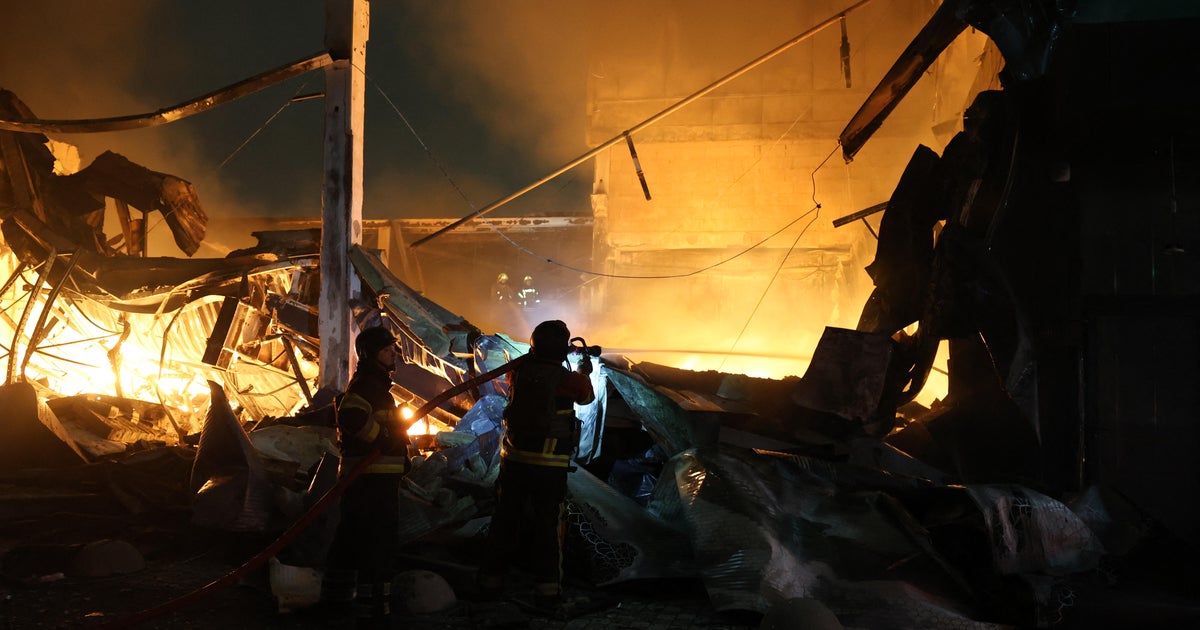
Zelenskyy accuses Russia of using cluster warheads in deadly strikes
Russia launched the strikes on Ukraine less than a day after negotiations to end the war, which also involved the United States, ended in St. Petersburg.

Create AI images with your own API key
aixipi runs on desktop/web, uses your own model API balance, and avoids subscription lock-in.
Try aixipi →
At least 16 dead when powerful 7.0 magnitude earthquake strikes Tibet
It was the biggest earthquake in the region in the last five years, China

See how Big Tech is transforming Spain's landscape
A drought-stricken region of northeast Spain has become a focus for American companies searching for locations to place their data centers.