
Trump says U.S. will "go back to doing what we were doing" if Iran talks stall
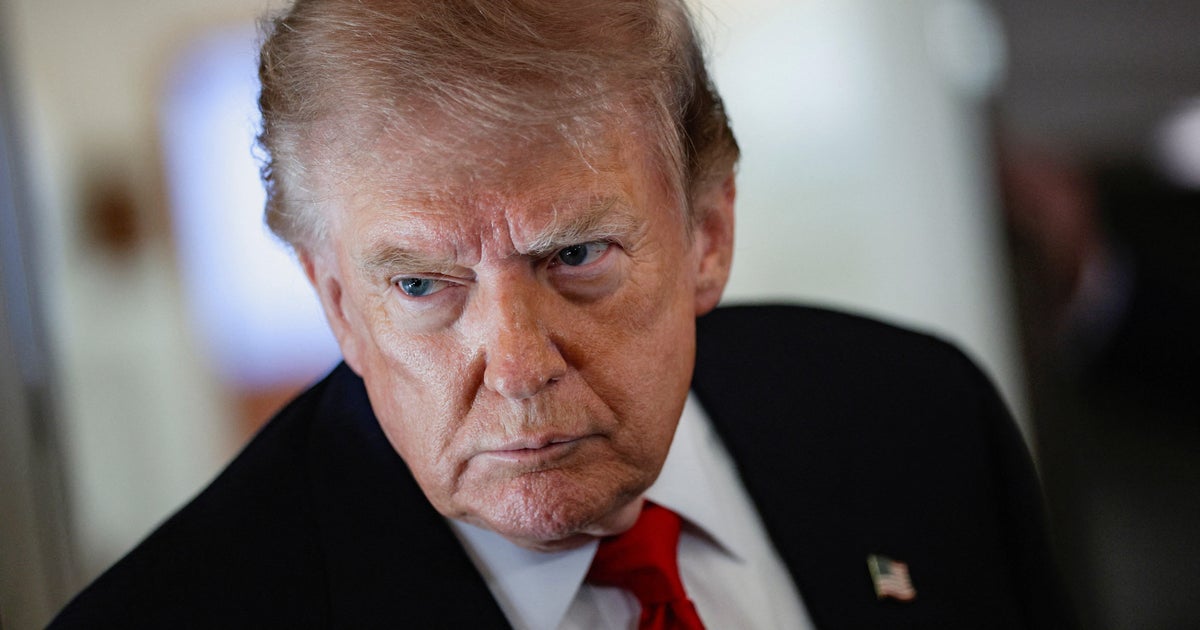
The United States and Iran remain in a period of restrained fighting while officials work toward an arrangement that could allow shipping through the Strait of Hormuz again. President Donald Trump has said Washington would return to its earlier course if the discussions fail to produce a result. His comments place the diplomatic effort alongside a warning that the pause could prove temporary rather than become a durable settlement. The two tracks — negotiation and military preparation — are moving forward at the same time.
The administration has not treated negotiations as a reason to ease its military posture. Even as contacts continue over the waterway, the United States is maintaining a buildup of forces, according to the account of the situation. That combination of diplomacy and preparation underscores the uncertainty surrounding the talks: the sides are pursuing a practical agreement, but the possibility of renewed confrontation remains part of the calculation.
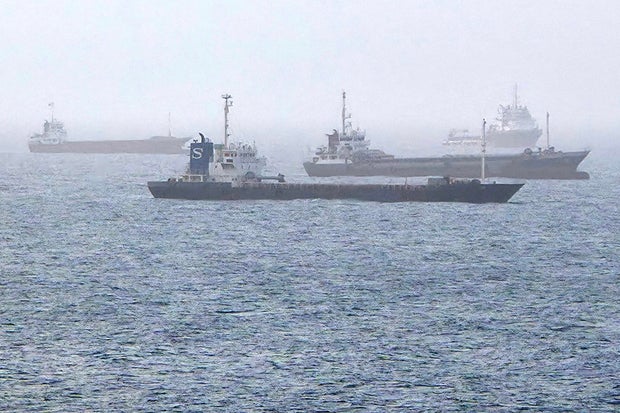
Reopening the Strait of Hormuz is at the center of the immediate effort. The passage is a strategically important sea route, and its availability matters to ships moving through the region. Disruption there can affect commercial planning, maritime security assessments and the movement of cargo between regional waters and international markets. An agreement that restores access would address a specific problem, but it would not by itself resolve the wider tensions reflected in the U.S. military deployment and Trump’s warning about what may follow a breakdown in negotiations.
For Washington, the stated approach appears to leave room for a deal while preserving leverage if no deal emerges. Trump’s formulation did not set out a timetable or identify the precise actions the United States would take should dialogue stall. It nevertheless signals that the current restraint is linked to progress at the negotiating table, and that the administration sees continued preparations as compatible with the diplomatic track. Whether that posture encourages compromise or makes an agreement harder to reach will depend on the positions taken in the talks.
The regional discussions are unfolding as Iran faces separate scrutiny over its treatment of people detained after anti-government demonstrations in January. On Monday, a group of United Nations specialists urged Iranian authorities to withdraw death sentences imposed on 10 young men in connection with those protests. The appeal introduced a human-rights dimension to a period already shaped by security concerns and negotiations over the strait.
The cases cited by the U.N. experts involved 12 male defendants, ranging from the end of their teenage years into their early twenties. All 12 received death sentences, and two of them were put to death on July 19. The experts’ call focused on the remaining condemned men and on the way the proceedings were conducted, rather than offering an assessment of the allegations against any individual defendant. Their intervention raised questions about whether each case had been considered separately.
In their statement, the experts said the group sentencing had failed to meet recognized requirements for a fair trial. They highlighted that the hearing was closed and that there was no clear public account of each accused person’s separate responsibility. Their criticism was directed not only at the use of capital punishment but also at the process used to reach the verdicts, which they described as inconsistent with established legal safeguards. The experts called for the penalties imposed on the 10 young men still facing execution to be cancelled.
Iran’s response to the U.N. appeal was not included in the available account, and the outcome of the request to halt the sentences remains unclear. Likewise, the negotiations over Hormuz have not yet produced a publicly described agreement. The next test will be whether the talks can reopen the passage and sustain the current restraint, or whether their failure brings the United States back to the course Trump has indicated it is prepared to resume. Both the diplomatic process and the cases highlighted by the U.N. experts remain unresolved.
Source: CBS World
Related articles
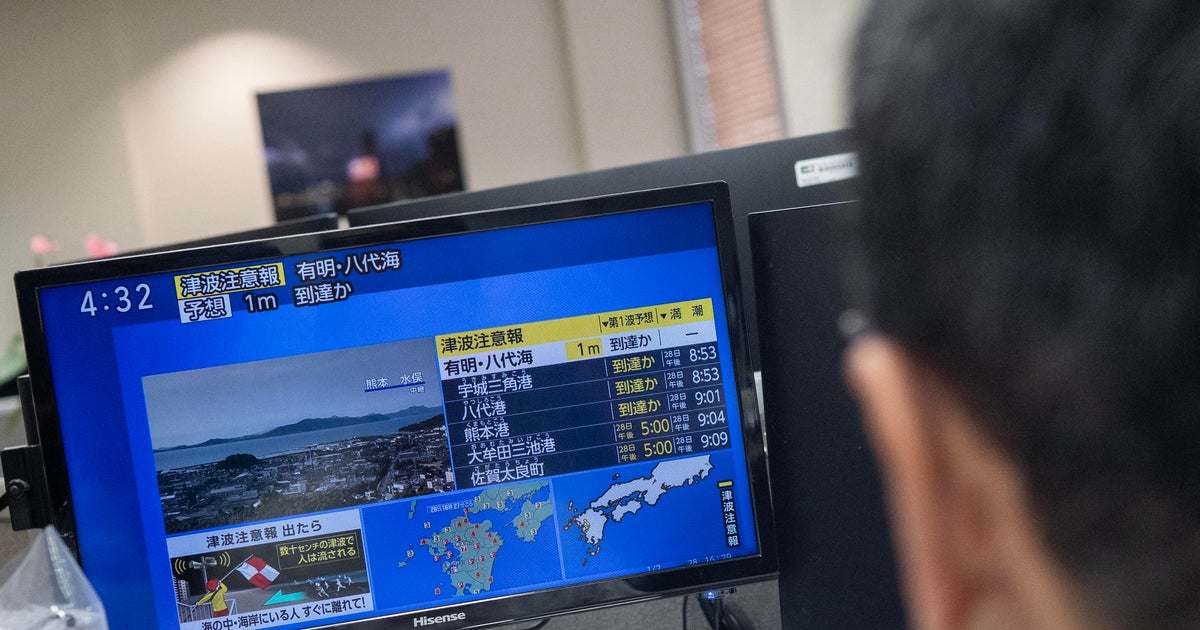
Strong 7.1 magnitude earthquake strikes southern Japan
A powerful 7.1-magnitude earthquake hit southern Japan, disrupting transport but causing no major damage.

Create AI images with your own API key
aixipi runs on desktop/web, uses your own model API balance, and avoids subscription lock-in.
Try aixipi →
Netanyahu to meet Trump in a first encounter since the Iran war began
The meeting comes as both face pressures at home. Netanyahu is up for reelection, embattled in part due to his deteriorating relationship with Trump. Trump is under pressure to end an unpopular war.

With wildfires raging in France and Spain, fire crews race against next heat wave
French authorities ordered nearly 4,000 people evacuated Tuesday from tourist sites on the Atlantic coast as returning heat threatened firefighters' fragile hold on a vast wildfire west of Bordeaux.