
U.K., Israel both claim a moral win with apparent truce in diplomatic feud
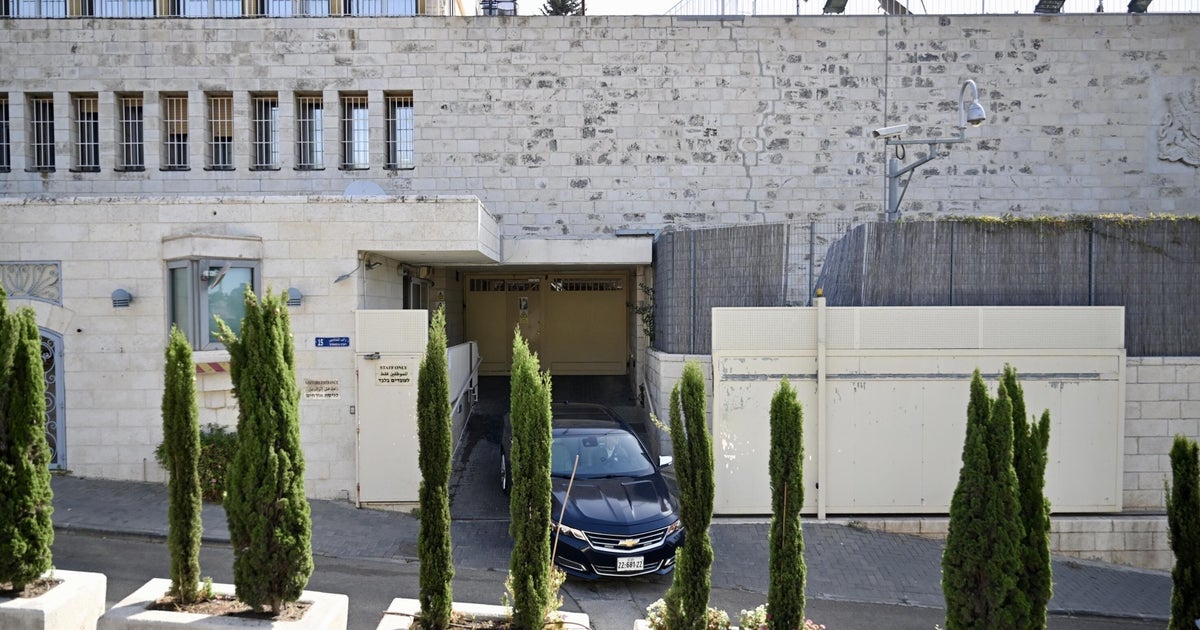
Britain and Israel appear to have stepped back from a potentially serious diplomatic rupture after reaching an arrangement that will keep Britain’s long-established mission in east Jerusalem operating. The compromise preserves a British presence at the site, which has existed for close to two centuries, while changing its designation and sharply reducing the number of personnel based there. Both governments have presented the result as a vindication of their own position, reflecting the unusually strained state of relations between two longtime partners.
The immediate danger had been the possible closure of the British facility. Israel had indicated that it could move against the mission amid a dispute over British measures targeting products made in Israeli settlements in the occupied West Bank. Britain’s restrictions prevent those goods from being imported, a policy that became the central point of contention in the row over the Jerusalem office.
The new formula avoids the most dramatic outcome: the disappearance of Britain’s diplomatic foothold at the location. Yet the preservation of the office comes with meaningful limits. Its revised identity and reduced staffing suggest that the agreement is not simply a return to the previous arrangement, but a negotiated retreat designed to prevent the disagreement from becoming a broader bilateral crisis.
London can point to the continued operation of the mission as evidence that it resisted an effort to force a complete shutdown. For Israel, the altered status and smaller presence allow officials to argue that they secured changes in response to Britain’s stance on settlement goods. The different accounts of the deal matter because they show that neither side is describing the outcome as an uncomplicated concession.
At the center of the dispute is the political weight attached to activity in the Palestinian territories. British sanctions on imports from settlements in the West Bank were intended to draw a line between those areas and Israel itself. Israel’s threat involving the Jerusalem mission showed how quickly disagreements over that distinction can spill into practical diplomatic relations.
The episode also underlines the sensitivity surrounding east Jerusalem. A diplomatic facility there carries significance beyond its staff size or administrative name because it operates in a place tied to wider disputes over the future of the city and the Palestinian territories. That made the threatened closure more than a routine bureaucratic clash, even if the eventual settlement was narrower than a full diplomatic break.
For European governments, the confrontation is a reminder that policy decisions concerning settlements can produce direct consequences for relations with Israel. Britain’s position placed it in a dispute that has wider relevance for other European capitals facing pressure to respond to Israel’s conduct in Palestinian areas while maintaining working ties with the Israeli government.
The agreement may cool tensions for now, but it does not remove the underlying disagreement over settlement-linked trade or the broader conflict over Israel’s policies in the occupied territories. The reduced British presence may also become a continuing symbol of how far the relationship has been tested. Future disputes over sanctions, trade, or diplomatic access could quickly reopen the arguments that led to the standoff.
What happens next will depend on whether both sides treat the arrangement as a practical off-ramp or as a temporary pause in a deeper contest. The immediate crisis has been contained, but the competing claims of success leave little sign that London and Tel Aviv have resolved the political issues that brought them to the brink of a more damaging confrontation.
Source: CBS World
Related articles
Zelenskyy accuses Russia of using cluster warheads in deadly strikes
Russia launched the strikes on Ukraine less than a day after negotiations to end the war, which also involved the United States, ended in St. Petersburg.

Create AI images with your own API key
aixipi runs on desktop/web, uses your own model API balance, and avoids subscription lock-in.
Try aixipi →
At least 16 dead when powerful 7.0 magnitude earthquake strikes Tibet
It was the biggest earthquake in the region in the last five years, China

See how Big Tech is transforming Spain's landscape
A drought-stricken region of northeast Spain has become a focus for American companies searching for locations to place their data centers.