
U.K. prime minister teases possible return of booze to soccer matches
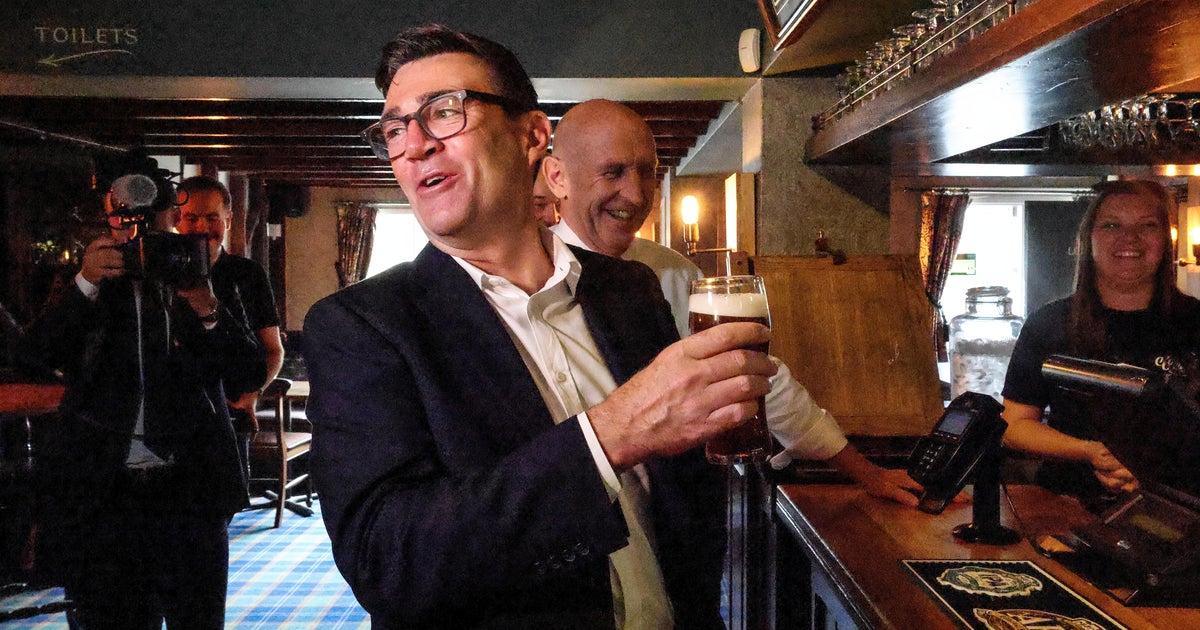
Prime Minister Andy Burnham has raised the prospect that spectators at leading men’s football matches in England and Wales could once again be permitted to drink alcohol from their seats, reopening a debate over rules that have shaped the matchday experience for more than four decades. Speaking in New York while attending the United Nations General Assembly on Wednesday, Burnham said the present restriction treats football followers differently from other sports fans. He suggested that any change could begin as a limited test rather than an immediate nationwide overhaul.
The rule dates back to 1985, when Margaret Thatcher’s government barred alcohol from the viewing areas at men’s football grounds in England and Wales. Leon Brittan, then home secretary, said alcohol had been an important contributor to violence and disorder at stadiums. The measure was introduced amid severe concerns about football-related unrest during the 1970s and 1980s, a period in which clashes between groups connected to rival clubs and damage around grounds became widely associated with English football.
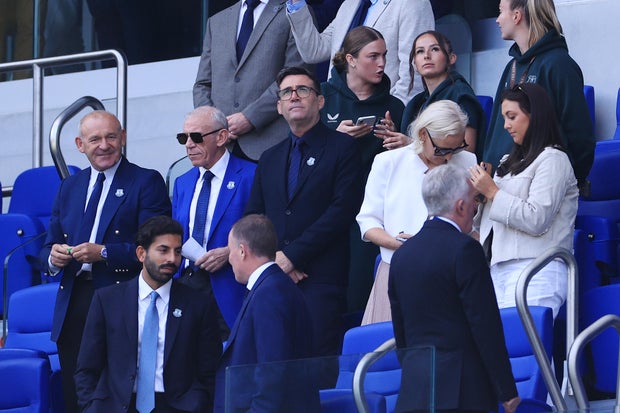
Today, the restriction applies to supporters attending matches in the top five divisions of the men’s game. Alcohol can still be bought and consumed in concourses before kickoff and at halftime, but spectators may not take drinks back into the seating or standing areas from which they can watch the pitch. Comparable limits do not apply across other British sports, a distinction Burnham has questioned.
Burnham, an Everton season-ticket holder, had criticized the policy before entering Downing Street. Asked whether he retained that view, he said the law came from a markedly different football era and argued that there was a case for ending what he described as unequal treatment. “Football fans” should not be singled out, he told reporters. He added that there were several possible ways to proceed and pointed specifically to a trial arrangement.
The practical effects are visible at some older grounds, where facilities are less able to handle a rush for refreshments. Halftime queues for beer can become long enough that some fans leave their places before the first half is over in order to avoid missing the restart. Supporters of changing the law say that experience illustrates how the current arrangement moves drinking away from the viewing area without necessarily making the interval easier for attendees.
The Football Supporters’ Association welcomed Burnham’s remarks on Thursday. The group said it had consistently objected to treating the act of having a pint during a match as a criminal matter for football fans, and said many clubs favor bringing alcohol back into the stands. In its view, the legislation no longer reflects the modern game. A fan-led examination of British football law in 2021 had also urged authorities to review the alcohol rules.
There is already a recent domestic example that advocates can cite. After a pilot in the Women’s Super League, England’s top women’s competition, supporters have been allowed to drink in the stands since the start of the current season. That change followed a successful trial, but it does not automatically settle the question for the men’s professional game, whose restrictions emerged from a particular history of crowd disorder.
That history remains central to objections. The violence often called the “English Disease” included confrontations involving rival supporter groups and vandalism in and around stadiums. Among the deaths linked to that era was a 14-year-old boy who died after police pushed fans into a wall following violence involving Birmingham City and Leeds United supporters. Such incidents helped build the case for the 1985 ban.
Police bodies have urged caution about reversing it. A spokesperson for the U.K.’s Football Policing Unit said football, even if only among a minority of supporters, sees violence and criminal conduct that other sports do not experience to the same extent, with alcohol frequently involved. The unit said expanding drinking during games without a full review of evidence and meaningful consultation with police specialists would be reckless. Scotland, where alcohol has been prohibited at football stadiums since 1981, has recently run trials and now permits sales at Hampden Park, the national stadium. Any proposal in England and Wales will therefore face questions over the design, safeguards and evidence required for a pilot.
Source: CBS World
Related articles

Zelenskyy accuses Russia of using cluster warheads in deadly strikes
Russia launched the strikes on Ukraine less than a day after negotiations to end the war, which also involved the United States, ended in St. Petersburg.

Create AI images with your own API key
aixipi runs on desktop/web, uses your own model API balance, and avoids subscription lock-in.
Try aixipi →
At least 16 dead when powerful 7.0 magnitude earthquake strikes Tibet
It was the biggest earthquake in the region in the last five years, China

See how Big Tech is transforming Spain's landscape
A drought-stricken region of northeast Spain has become a focus for American companies searching for locations to place their data centers.