
U.S. and Iran trade strikes for the first time in a month
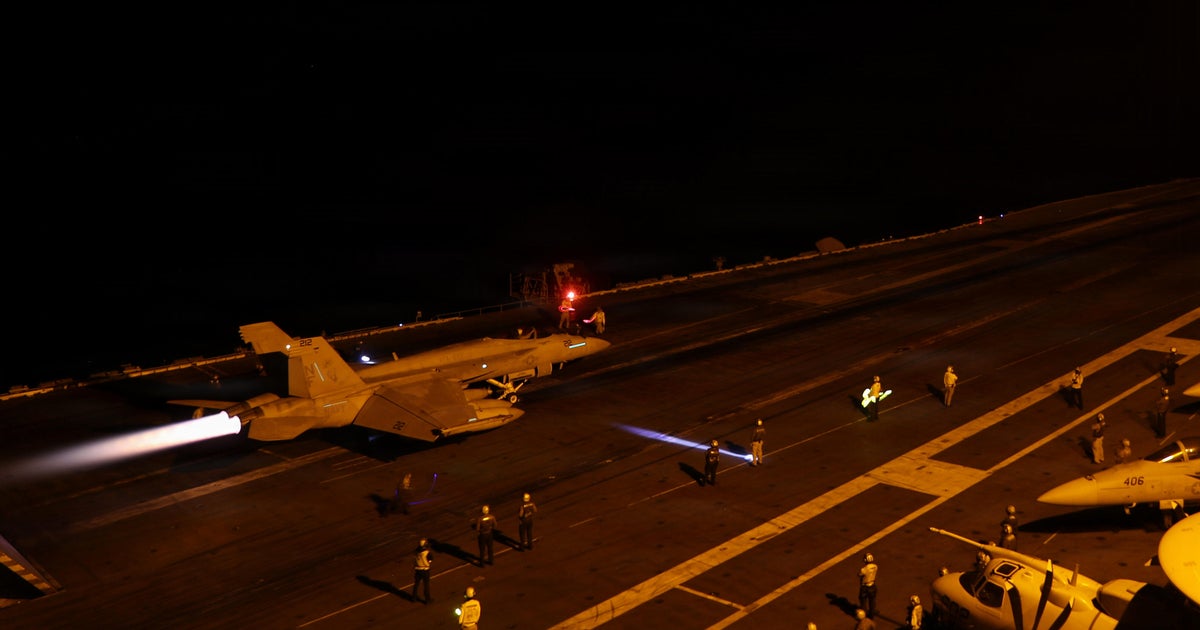
Iran and the United States exchanged military action on Monday in a new flare-up that followed roughly a month without reported direct strikes between them. U.S. Central Command said it had struck rocket-launching equipment on an Iranian island in the Strait of Hormuz. Iran then said it had answered by targeting American bases in Jordan, linking its move to the U.S. operation near the narrow waterway.
The developments also drew the United Arab Emirates into the immediate picture. Emirati authorities condemned what they described as an Iranian attack on the country, while Iran’s military presented the action as a response to the American strikes on the island. The two accounts framed the same sequence from sharply different positions: Tehran characterized its actions as retaliation, while Abu Dhabi treated them as an attack on its territory and security.
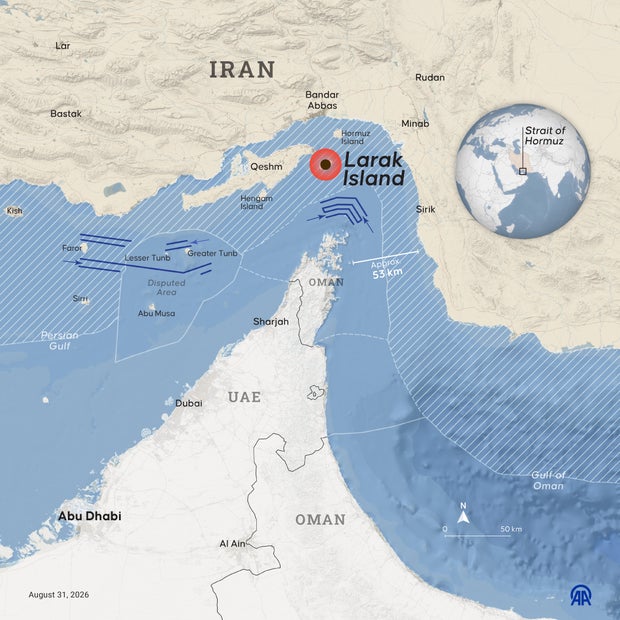
In a statement issued Monday, the UAE foreign ministry called the Iranian action a serious escalation and said it could not be accepted. The ministry said the episode endangered the country’s security and stability and challenged its territorial integrity. Its response underscored that the repercussions of the U.S.-Iran confrontation were not limited to the two governments directly involved.
The ministry also said the UAE military intercepted an Iranian drone above the country’s territorial waters. That account described a defensive action rather than damage on the ground, and the available information did not specify further operational details. Iran’s military, meanwhile, tied its stated retaliation to the U.S. strikes in the Strait of Hormuz, an area whose security is closely watched because it sits at the center of regional maritime tensions.
Central Command’s announcement focused on rocket launchers located on the Iranian island, while Iran’s statement pointed to U.S. facilities in Jordan. Those claims place the reported exchange across several jurisdictions, illustrating how quickly an operation in or near a strategic sea passage can create political and military pressure elsewhere in the region. The reported UAE drone interception added another layer, involving a state that publicly rejected Iran’s conduct.
The timing is notable because the headline development marked the first reported exchange of strikes between Washington and Tehran in about a month. A pause in direct action had not eliminated the underlying risks; instead, Monday’s events showed how a new strike and an announced counterstrike can rapidly revive them. The public statements also left key questions unresolved, including the extent of the reported operations and whether either side intends additional action.
For the UAE, the immediate priority described by its foreign ministry was national protection. By emphasizing its sovereignty, territorial integrity and stability, Abu Dhabi signaled that it viewed the alleged Iranian drone activity as more than a spillover from a dispute between other powers. Iran’s account offered a different rationale, portraying its military activity as an answer to U.S. action against equipment on its island.
That contrast matters for assessing what may follow. The United States has publicly identified the launchers it said it hit, and Iran has publicly connected its subsequent targeting claim to that operation. The UAE has separately reported intercepting a drone and has issued a forceful diplomatic condemnation. None of those positions, on their own, settles the broader dispute over responsibility, intent or the likely scale of any next response.
Attention will now focus on whether official statements are followed by further military moves, additional air-defense activity, or diplomatic efforts to contain the confrontation. The Strait of Hormuz and the countries around it remain central to the immediate concern, as does Jordan because of Iran’s stated claim regarding U.S. bases there. With competing official narratives and limited operational detail, the next indications from the governments and militaries involved will be crucial in determining whether Monday’s exchange remains contained. Any further action would test whether the confrontation can be kept from widening beyond its reported locations.
Source: CBS World
Related articles
Zelenskyy accuses Russia of using cluster warheads in deadly strikes
Russia launched the strikes on Ukraine less than a day after negotiations to end the war, which also involved the United States, ended in St. Petersburg.

Create AI images with your own API key
aixipi runs on desktop/web, uses your own model API balance, and avoids subscription lock-in.
Try aixipi →
At least 16 dead when powerful 7.0 magnitude earthquake strikes Tibet
It was the biggest earthquake in the region in the last five years, China

See how Big Tech is transforming Spain's landscape
A drought-stricken region of northeast Spain has become a focus for American companies searching for locations to place their data centers.