
U.S. forces exit Iraq amid Iran war. And, SCOTUS revives Trump deportation policy

The United States has completed the removal of its remaining troops from Iraq, ending the American military deployment there at a moment when the war involving Iran has sharpened regional uncertainty. The departure leaves Iraq facing unanswered questions about its defense outlook after the final U.S. personnel exited the country. It also places fresh attention on how Baghdad, Washington and other governments will assess security needs in a region affected by the conflict. No timetable for what comes next can be assumed from the withdrawal itself, but the move marks a clear change in the American role inside Iraq.
The significance of the exit lies not only in the number of troops now gone, but in the absence of a continuing U.S. force on Iraqi territory. Iraq's future security arrangements are therefore less certain than before, according to the account of the withdrawal. That uncertainty arrives during an Iran-related war, when developments beyond Iraq's borders can quickly influence calculations within the country. The news does not establish how Iraqi authorities will respond, or what form future cooperation may take. It does establish that the U.S. presence has reached its endpoint.

For the United States, the withdrawal separates a military decision in Iraq from the broader pressures created by the regional conflict, without removing those pressures. American forces are no longer positioned in Iraq, while the questions raised by the Iran war remain. The practical consequences will depend on events that have not yet unfolded: the course of the conflict, Iraq's own defense choices and any future decisions by Washington. The immediate fact is simpler and consequential: the last troops have left, and Iraq enters the next stage without that deployment.
On a separate front, the Supreme Court has given the Trump administration a temporary legal victory over its approach to deportations to third countries. The court's action supports the administration for the present, rather than delivering a final answer to every dispute surrounding the policy. A third-country deportation involves sending a person to a country other than the one from which that person originally came. The ruling therefore matters beyond the narrow procedural question before the court, because it affects how the administration may pursue that policy while the legal picture continues to develop.
The wording of the court's action is important. By siding with the administration for now, the justices have allowed its position to prevail at this stage, but the outcome should not be read as a permanent resolution of the broader immigration-policy debate. The decision gives federal officials room to proceed under the policy as the litigation moves forward. At the same time, it leaves open the possibility that later legal developments could alter the policy's standing, its application or both. The report identifies an interim judicial result, not the last word.
The two developments concern different institutions and different forms of government power: one is a completed military withdrawal overseas, and the other is a court decision affecting executive immigration policy. Yet both turn on uncertainty after a decisive event. Iraq must consider its defense future once U.S. troops are gone. The administration, meanwhile, has court support to continue pursuing third-country removals for the time being, even though the longer legal path remains unsettled. In each case, the headline development frames rather than finishes the questions that follow.
What to watch next is whether the Iraq withdrawal changes the country's security calculations as the Iran war continues, and whether further Supreme Court action or other litigation reshapes the deportation policy. Supporters of the court's interim outcome can view it as confirmation that the administration may advance its approach now. Critics can point to its temporary nature and the unresolved issues still surrounding the policy. Similarly, the troop exit can be seen as a completed U.S. departure, while Iraq's defense future remains an open question. The next consequences will emerge after these initial decisions, not from them alone.
Source: NPR World
Related articles
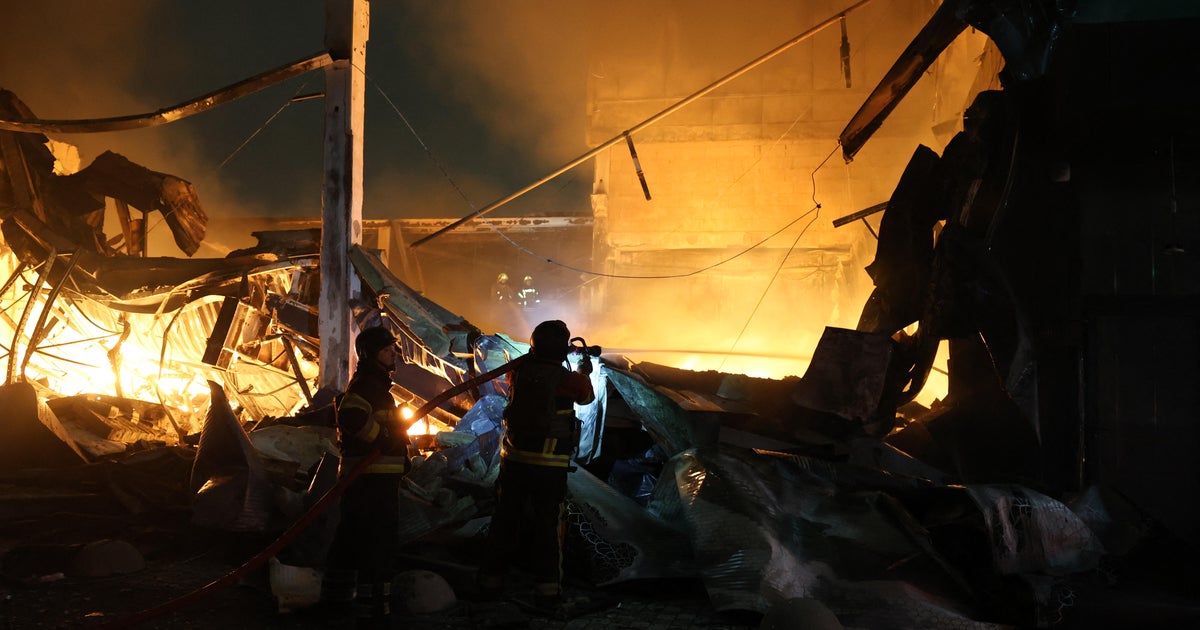
Zelenskyy accuses Russia of using cluster warheads in deadly strikes
Russia launched the strikes on Ukraine less than a day after negotiations to end the war, which also involved the United States, ended in St. Petersburg.

Create AI images with your own API key
aixipi runs on desktop/web, uses your own model API balance, and avoids subscription lock-in.
Try aixipi →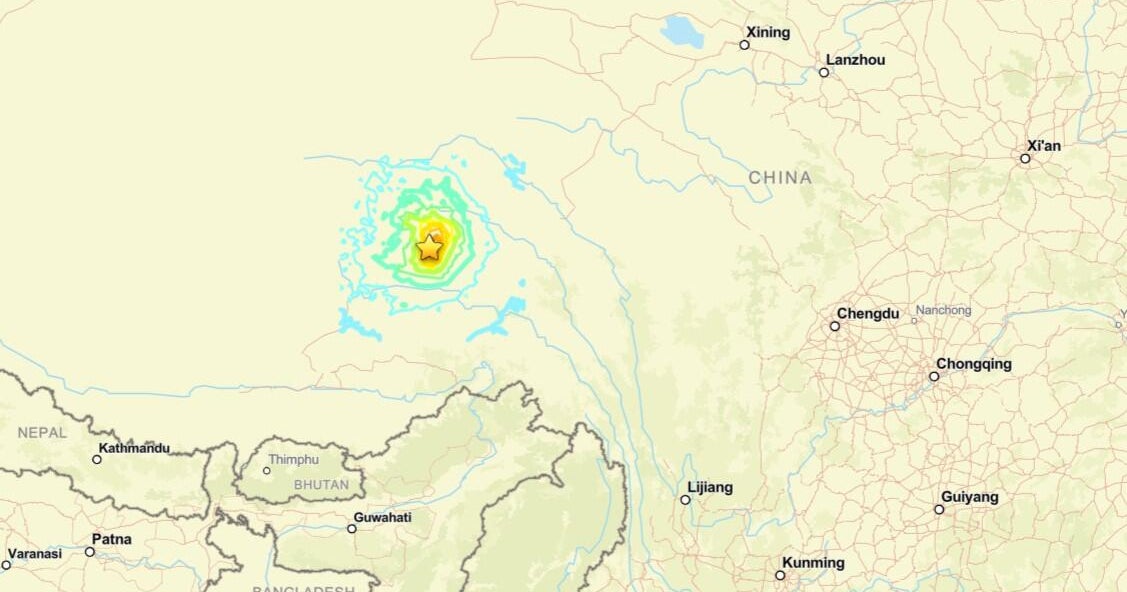
At least 16 dead when powerful 7.0 magnitude earthquake strikes Tibet
It was the biggest earthquake in the region in the last five years, China

See how Big Tech is transforming Spain's landscape
A drought-stricken region of northeast Spain has become a focus for American companies searching for locations to place their data centers.