
Was Hitler behind niece's death? Documents raise questions about alibi
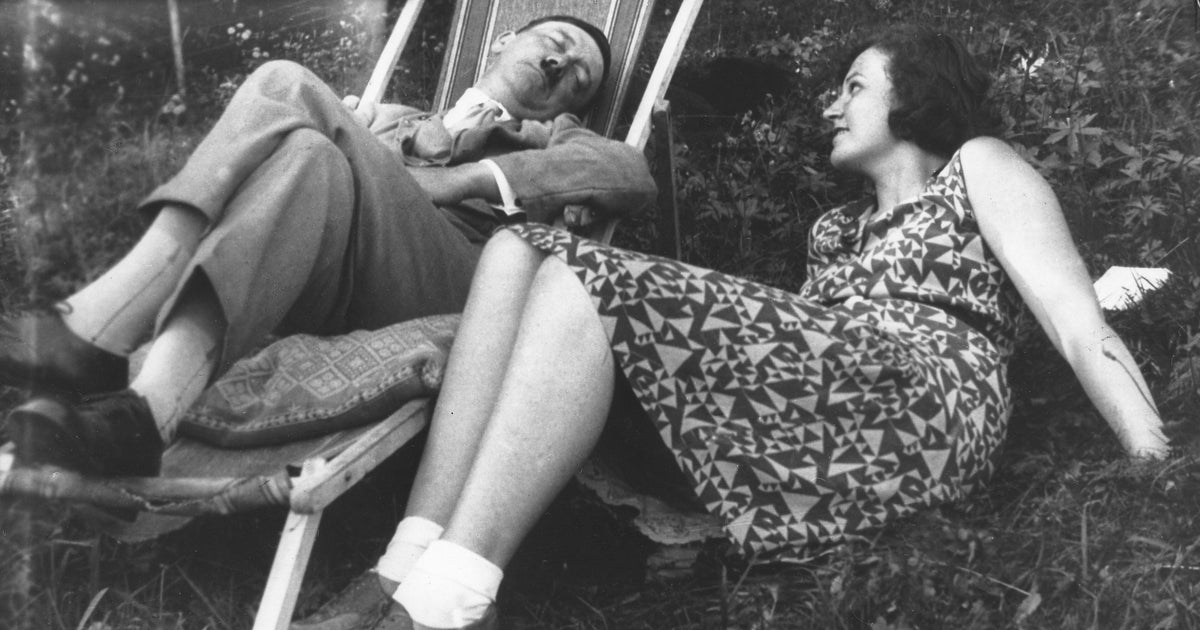
Records recently located in a Munich archive have reopened questions about Adolf Hitler’s account of where he was when his niece, Geli Raubal, died under suspicious circumstances in 1931. The documents, reported by the German news magazine Der Spiegel, do not themselves establish responsibility for her death. But they challenge an alibi associated with one of the most scrutinized private episodes in Hitler’s life and renew attention on a case long marked by uncertainty.
Raubal’s death occurred in an atmosphere that was troubling even at the time. Her connection to Hitler was widely viewed as unusually intimate, and accounts of their relationship have described him as possessive and controlling. Those circumstances helped fuel speculation for decades about what happened in the period surrounding her death. Contemporary newspaper coverage also raised the possibility that Hitler might have been involved, leaving a public record of suspicion that was never fully erased.
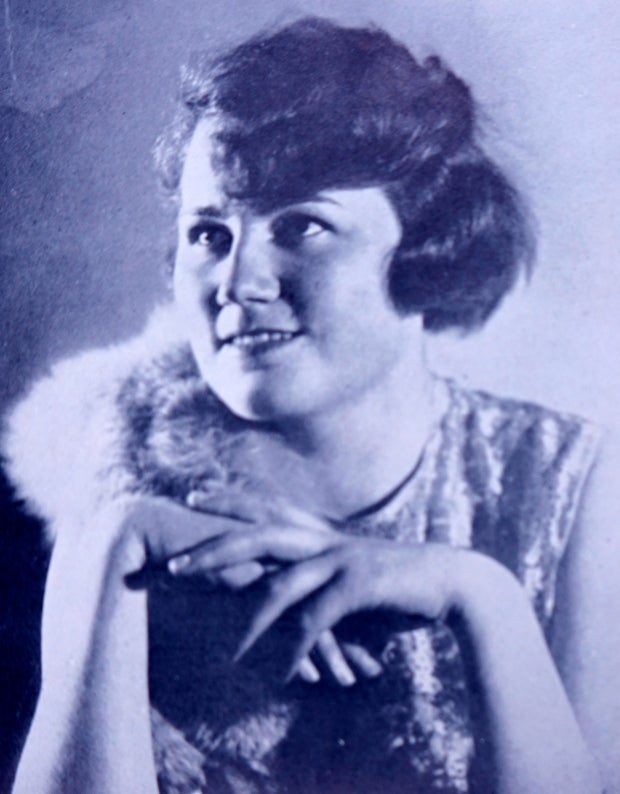
The official conclusion was suicide. Raubal had suffered a gunshot wound to the chest, and the weapon was a pistol owned by Hitler. That finding provided the formal explanation for the death, yet the combination of a fatal shooting, Hitler’s gun and the reported nature of their relationship ensured that the case remained a source of rumor and historical debate. The newly reported archival material is significant because it focuses not only on the death itself, but on whether Hitler’s stated location can be reconciled with the available records.
Questions about an alibi matter differently from proof of a crime. A discrepancy can alter how historians assess a person’s account of events without, by itself, resolving how Raubal died or identifying who was present. The report therefore adds a new line of inquiry rather than a final answer. Any assessment of the documents will depend on their contents, their dates and how they compare with other evidence tied to the case.
The episode has endured in part because it joins private conduct to a figure whose public actions later had enormous historical consequences. Raubal’s relationship with Hitler has repeatedly drawn scrutiny precisely because it was portrayed as both close and restrictive. In that setting, the official suicide ruling has existed alongside persistent doubt, rather than ending discussion. The latest disclosure brings the question of Hitler’s movements back to the center of that unresolved tension.
Der Spiegel said the material was found in a Munich archive, a detail that points to the continuing role of archival research in revisiting old cases. Documents preserved outside the original public debate can sometimes test accounts that had been accepted, repeated or left unexamined. In this instance, the reported records have raised concerns about Hitler’s whereabouts at the relevant time. They have not, on the information available, overturned the official finding or supplied a conclusive alternative account.
There are competing ways to view the development. For those who have long questioned the circumstances of Raubal’s death, an apparent problem with Hitler’s alibi may strengthen the case for renewed examination. For others, the official determination remains the established conclusion unless further evidence directly connects any person to the shooting. Both positions turn on the same limitation: uncertainty about location is not the same as a demonstrated explanation for a death.
What happens next is likely to rest on closer examination of the archival files and on whether researchers can place them alongside the existing record. The central issues are narrow but consequential: where Hitler was, whether his account accurately described that period, and what, if anything, the answer changes about the 1931 death. The documents have revived questions around a case that has resisted a settled historical narrative, while leaving its official classification intact for now.
The renewed attention also underscores the distinction between historical suspicion and verified conclusion. Reports from the era had already suggested a possible role for Hitler, while the authorities recorded Raubal’s death as suicide after she was found with the chest wound caused by his pistol. The archive discovery places fresh pressure on one element of the story—his claimed whereabouts—without resolving the broader dispute. Its value may lie in prompting a more exacting review of a case whose uncertainties have outlasted the original investigation.
Source: CBS World
Related articles
Zelenskyy accuses Russia of using cluster warheads in deadly strikes
Russia launched the strikes on Ukraine less than a day after negotiations to end the war, which also involved the United States, ended in St. Petersburg.

Create AI images with your own API key
aixipi runs on desktop/web, uses your own model API balance, and avoids subscription lock-in.
Try aixipi →
At least 16 dead when powerful 7.0 magnitude earthquake strikes Tibet
It was the biggest earthquake in the region in the last five years, China

See how Big Tech is transforming Spain's landscape
A drought-stricken region of northeast Spain has become a focus for American companies searching for locations to place their data centers.