
Were Two Ancient Chinese Astronomers Beheaded for Failing to Predict an Eclipse in 2134 B.C.E.? The Story May Be a Myth, but It Underscores the Real Risks of Interpreting Celestial Events
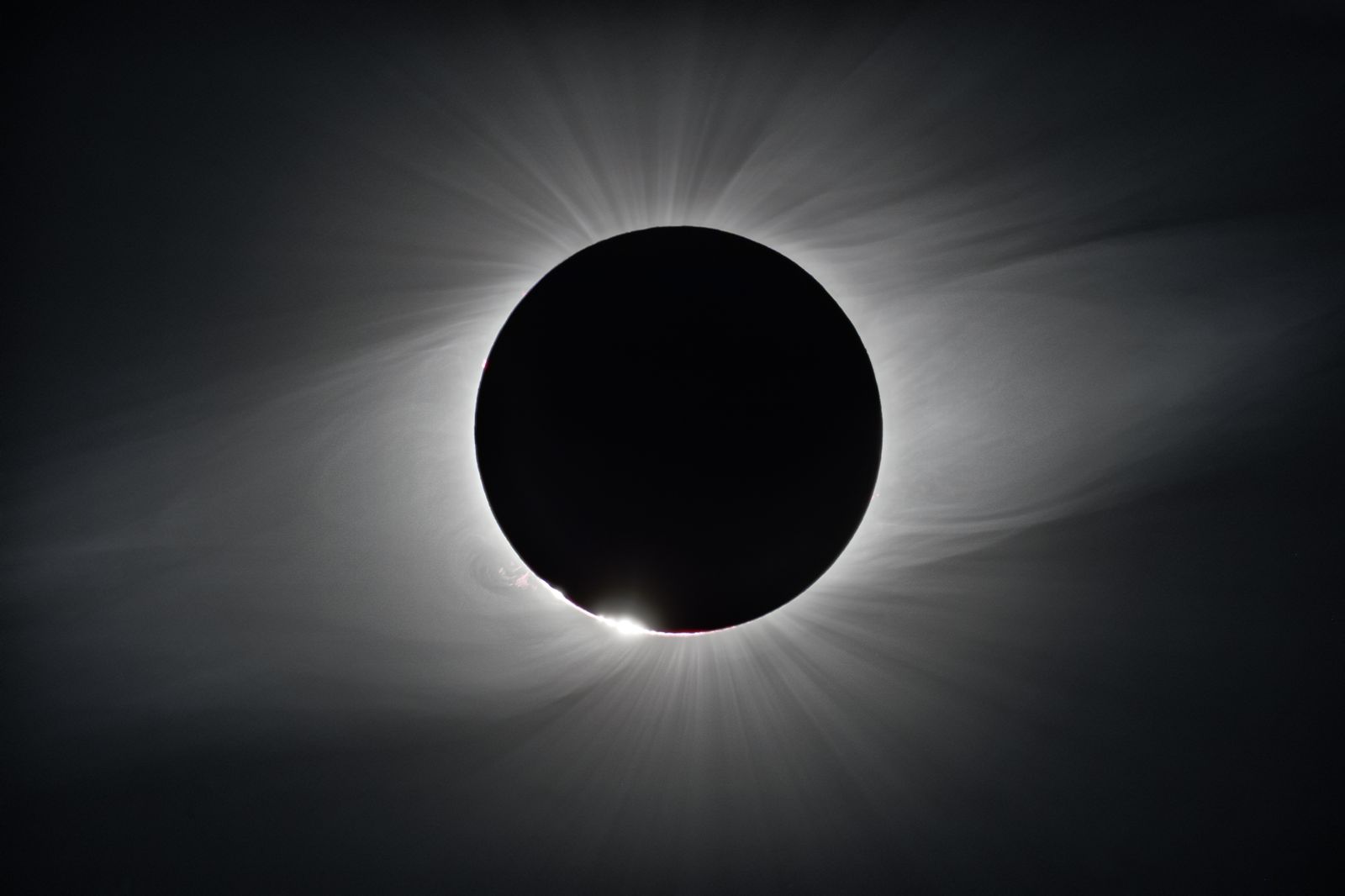
An enduring tale from ancient China says two court astronomers faced the ultimate punishment after an eclipse caught them unprepared more than four millennia ago. The episode is commonly dated to October 22, 2134 B.C.E., though accounts do not agree on when it supposedly occurred. Specialists caution that the familiar story may be more legend than documented history, even as it preserves a larger truth about the danger attached to reading the sky for a ruler.
Modern retellings usually call the two men Hsi and Ho. They were said to hold royal positions responsible for observing celestial changes and preparing the court for significant events. In the best-known version, the pair abandoned those obligations for drinking, leaving them incapable of anticipating the eclipse and responding as expected when it arrived.
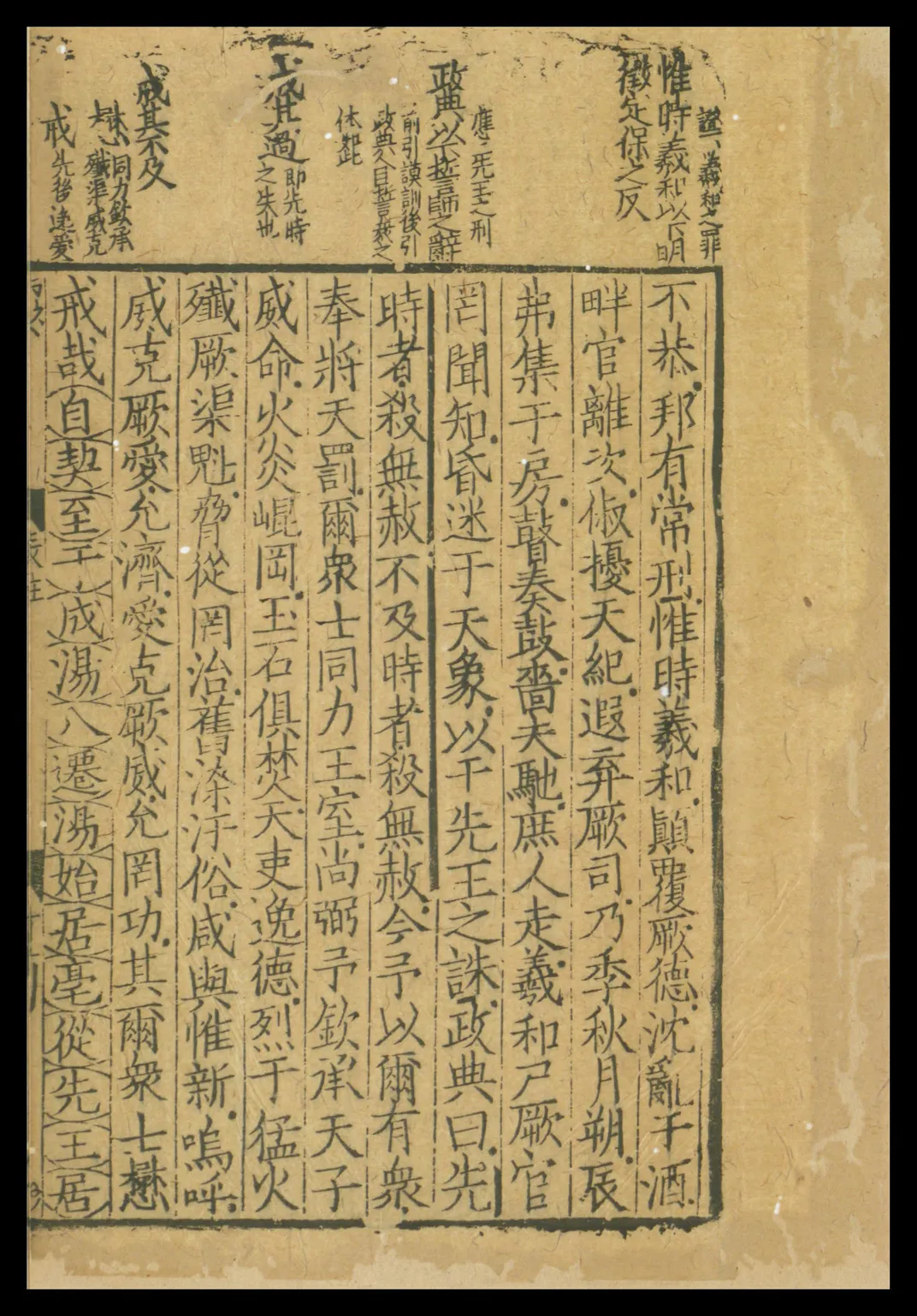
Different versions leave room for uncertainty over exactly what went wrong. Some frame their offense as a failure of calculation: the astronomers did not foresee the darkening of the sun. Others emphasize the ceremonial consequences, saying the required response to an eclipse was not carried out. The story can also be read as combining both failures, turning a lapse in observation into a breach of courtly and religious duty.
Whatever the precise charge, the ruler in the anecdote is portrayed as unforgiving. Later retellings describe a legal standard in which being early or late in reckoning the time of a celestial event could bring the same fatal outcome. Under that account, Hsi and Ho were condemned to execution, their deaths presented as a warning about the stakes of failing the throne.
The severity of the punishment is central to why the narrative has lasted. An eclipse was not treated simply as an unusual sight in the heavens; within the story, it became a test of whether officials could fulfill responsibilities that connected the court, the calendar and public order. The alleged executions therefore give the anecdote a dramatic lesson: a mistake in interpreting the sky could be understood as a political failure as well as a technical one.
Yet the details that make the account memorable also make it difficult to treat as straightforward historical reporting. Its date changes across versions, and the story has been reshaped as it moved between audiences and eras. Experts see possible traces of real concerns about astronomical duties, but that does not settle whether the named astronomers, the eclipse date or the beheadings happened exactly as later narratives describe.

The tale’s long afterlife has helped blur the line between historical evidence and a powerful cautionary story. It began in early Chinese writings and later appeared in a wide range of formats, including periodicals, newspapers, scholarly publications, books and, more recently, social-media posts. Each new retelling has given the episode another opportunity to reach readers who may encounter its drama before its uncertainties.
Its persistence also reflects a broader fascination with moments when natural phenomena appear to expose human vulnerability. In this case, the eclipse is remembered less for what can be firmly established about the event itself than for the consequences assigned to those who were expected to understand it. The story has become a compact illustration of the authority once invested in astronomical knowledge and the risks attached to getting it wrong.
For readers revisiting the alleged 2134 B.C.E. incident, the key point is not to accept every familiar detail without question. The story may contain echoes of genuine ancient expectations placed on court observers, while its most dramatic elements remain uncertain. Its future will likely depend on how carefully new audiences distinguish between an inherited legend and the historical realities that may have helped inspire it.
Source: Smithsonian Magazine
Related articles

Immerse Yourself in the Cosmos at Frank Lloyd Wright's Only Planetarium, Recently Restored to Its Former Glory in Florida
Completed in 1958, the domed building is located on the campus of Florida Southern College, home to 13 Wright-designed buildings, the world's largest single-site collection of the architect's work

Play Tractor online with friends — free
Real-time Sheng Ji / Tractor for 3–5 players, with complete bidding and trump rules across web, iOS and Android.
Play bidfive →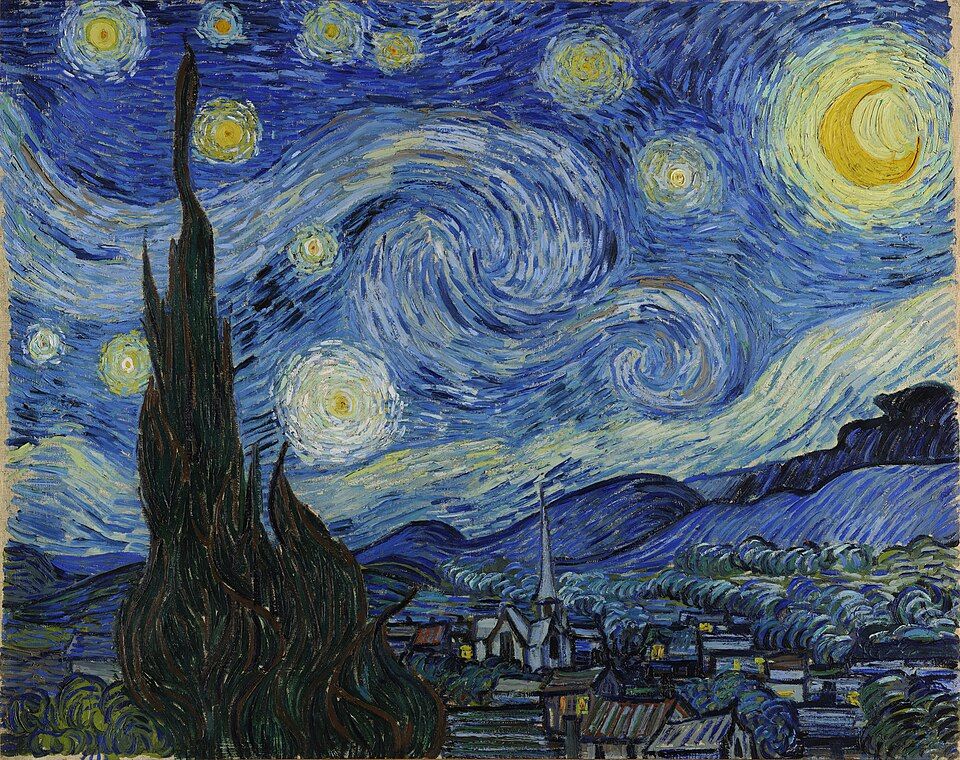
A Team of Astronomers Thinks They Have Identified the Exact Night Sky That Inspired Vincent van Gogh's 'Starry Night.' Not Everyone Is Convinced
Very few night skies seen from the south of France during the summer of 1889 would match the scene on van Gogh's canvas. A new study argues that it could have been July 22

'Pretty Boy' Floyd, One of the Most Notorious Outlaws of the Great Depression, Was Shot and Killed in an FBI Raid 92 Years Ago
Some Americans lauded the 30-year-old bank robber as a Robin Hood-esque folk hero. Others castigated him as a violent criminal whose misdeeds were emblematic of the troubled era

GTA 6 guides, updates and practical reference
Explore a Chinese GTA 6 guide library covering the release, map, characters, missions, vehicles and weapons.
Browse guides →
Create AI images with your own API key
aixipi runs on desktop/web, uses your own model API balance, and avoids subscription lock-in.
Try aixipi →