
What Argentina gets right about youth soccer — and what the U.S. gets wrong

Argentina’s enduring ability to develop elite soccer talent is drawing renewed attention to the earliest stages of the game: the places where children first train, compete and imagine a future in it. In Rosario, the country’s third-largest city, Newell’s Old Boys offers a concentrated example of that pathway. The club is among the city’s best-known teams and operates a youth academy regarded as one of Argentina’s strongest. Its model has become a useful reference point as the United States weighs how to help more young players progress in the sport.
The academy’s scale is visible throughout the week. About 700 boys and girls between four and 12 years old come to the club’s central facilities for training. The setting is not presented as a remote, occasional camp but as part of city life, placing early instruction close to families and to the club’s daily identity. That proximity matters because youth development is shaped not only by drills and fixtures, but also by whether children can repeatedly take part in a familiar football environment.

Newell’s grounds also make the connection between aspiration and local history tangible. Red-and-black artwork on the walls honors former players, including Lionel Messi, the Argentine star who once played for the club. A 2018 photograph showed children waiting for a match in Newell’s junior leagues, linking the academy’s present-day routines to an earlier generation of players. The image captures a basic reality of player development: before a future professional is identified, there are many children waiting simply for their turn to play.
Argentina’s record has made those everyday scenes noteworthy beyond Rosario. The country has produced players widely recognized among soccer’s biggest figures, and its clubs have long supplied young talent to the wider game. That history does not mean that every academy follows one formula or that a mural can create a star. It does, however, focus attention on a system in which a prominent local club gives very young children a defined place to train and a visible line of connection to players who came before them.
For the United States, the comparison raises questions rather than offering a simple transplant. A youth system is more than its playing fields, coaching sessions or a famous alumni list. The relevant issue is how a child’s early participation connects to a sustained route through a club and, eventually, to higher levels of competition. Newell’s example suggests the value of continuity: children enter at young ages, return regularly, and do so inside an institution whose football culture is woven into the surrounding city.
There is also a reason to be cautious about treating Argentina as a finished answer to American concerns. The two countries have different sporting cultures, cities and club structures, so any lesson must be adapted rather than copied. Producing exceptional players is not the only measure of a youth program’s worth; access, enjoyment, safety and the chance to keep playing also matter. The Rosario academy should therefore be read as a case study in organization and belonging, not as proof that a single approach will work everywhere.
What happens next in the debate will depend on whether U.S. soccer institutions look beyond the final stage of the talent pipeline. The children at Newell’s are years away from the level associated with Messi, and most will not become famous professionals. Yet their regular presence at one club illustrates where the process begins: with broad participation, repeated training and a clear local home for the game. Those conditions may be less dramatic than a star’s breakthrough, but they are the foundation any long-term development system must examine.
Rosario’s example ultimately shifts the focus from searching for a shortcut to understanding how football communities are built. Newell’s combines a major city club, a large academy and symbols of a celebrated former player in one place where young children train week after week. The United States can draw questions from that arrangement without assuming that Argentina’s circumstances can be reproduced intact. The most useful comparison is not about assigning blame; it is about asking whether young players have consistent, meaningful routes into the sport from their earliest years.
Source: NPR World
Related articles
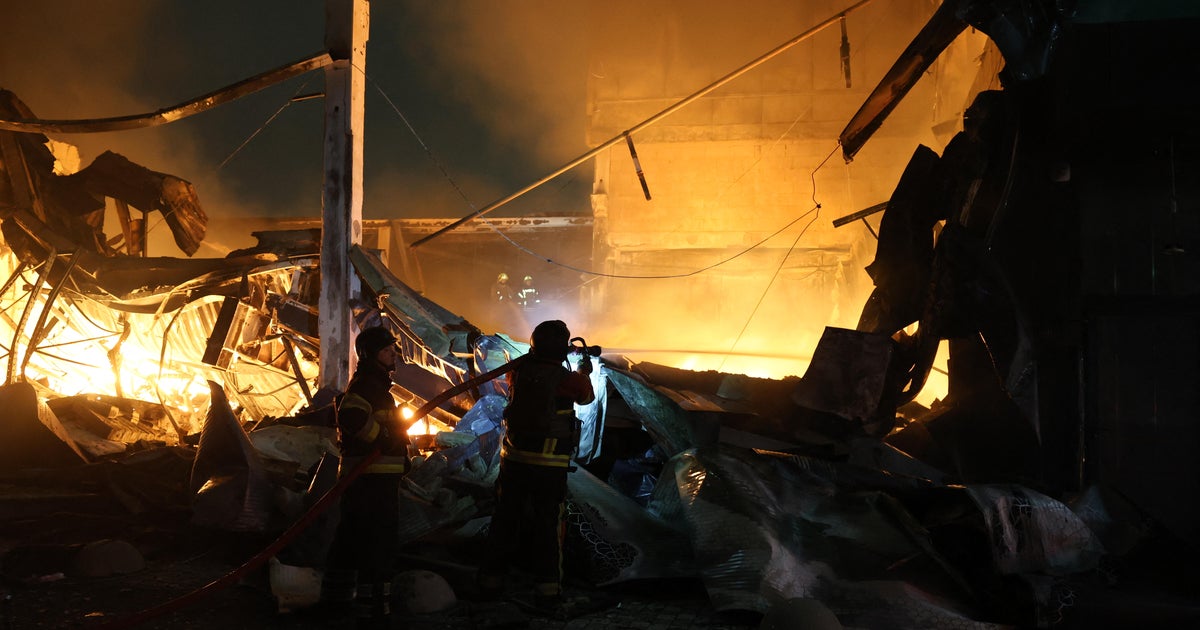
Zelenskyy accuses Russia of using cluster warheads in deadly strikes
Russia launched the strikes on Ukraine less than a day after negotiations to end the war, which also involved the United States, ended in St. Petersburg.

Create AI images with your own API key
aixipi runs on desktop/web, uses your own model API balance, and avoids subscription lock-in.
Try aixipi →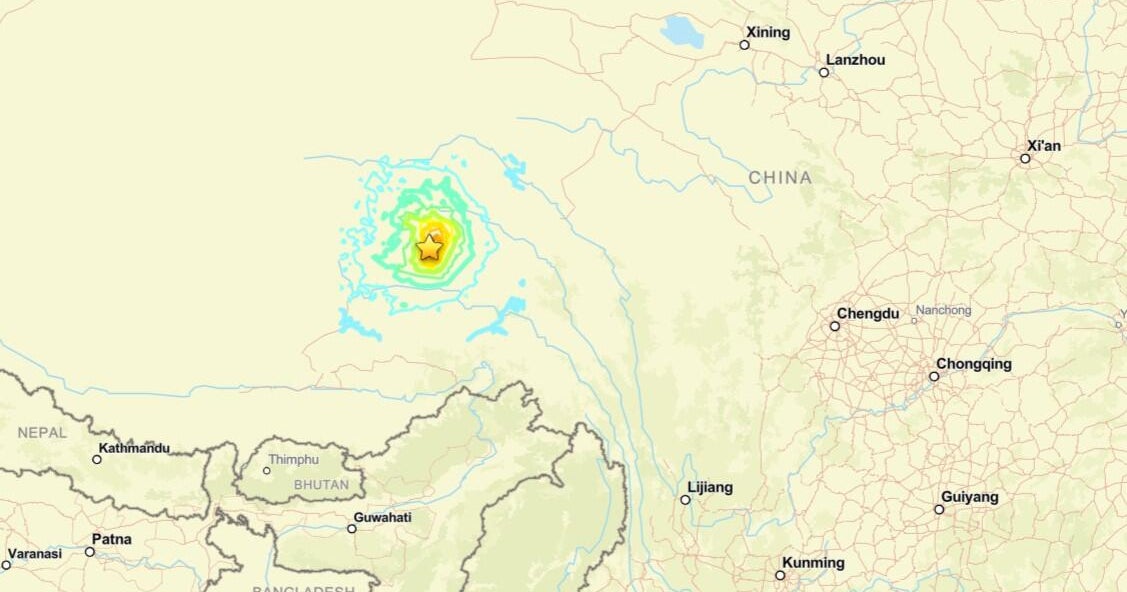
At least 16 dead when powerful 7.0 magnitude earthquake strikes Tibet
It was the biggest earthquake in the region in the last five years, China

See how Big Tech is transforming Spain's landscape
A drought-stricken region of northeast Spain has become a focus for American companies searching for locations to place their data centers.