
When Jane Austen Took a Turn About the Ballroom in Bath, Ancient Roman Artifacts Were Hiding Beneath Her Feet. Now, Archaeologists Have Finally Found Them
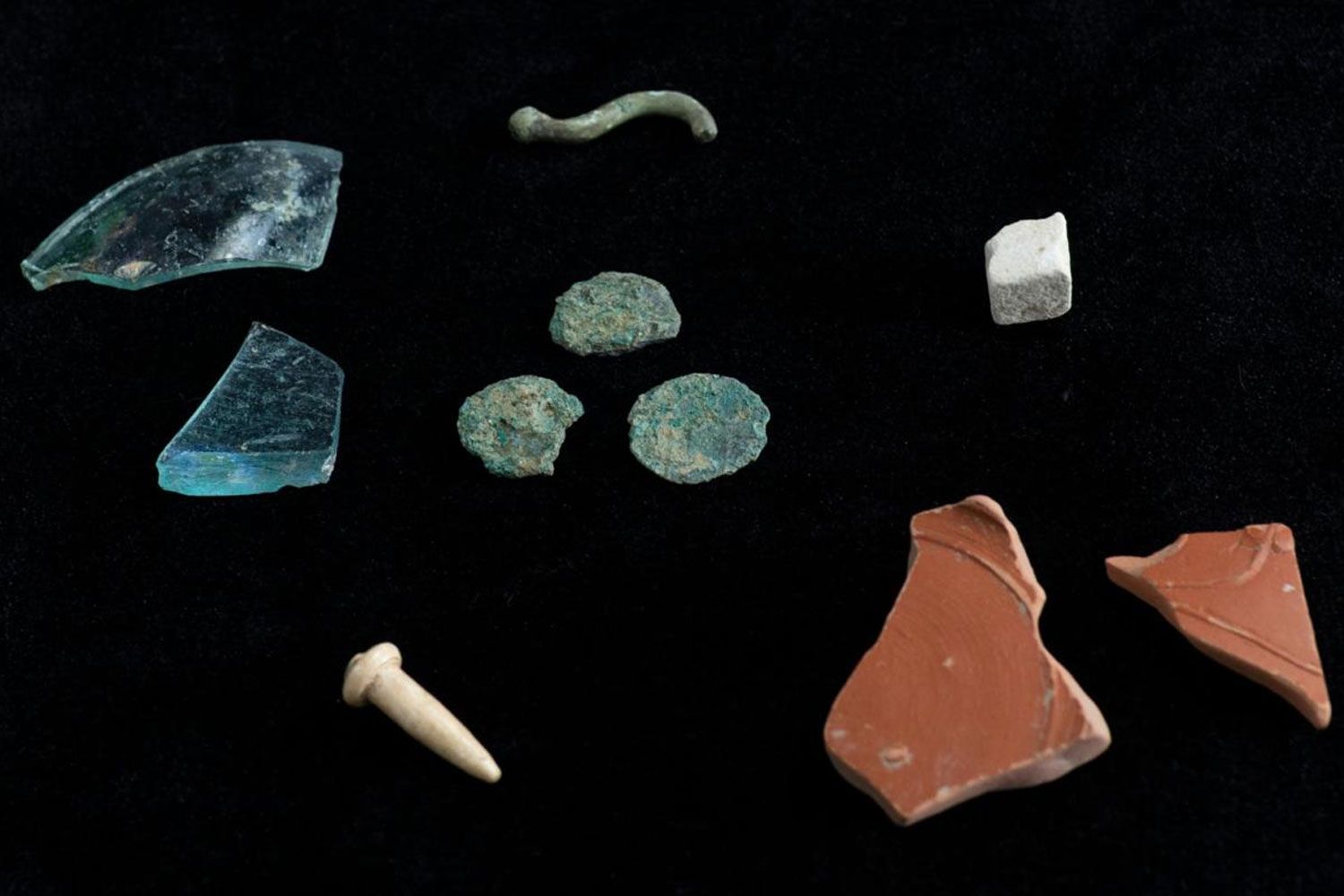
Archaeologists working beneath Bath’s historic Assembly Rooms have uncovered evidence that the site’s story reaches far beyond its celebrated Georgian ballrooms. Excavation during a renovation has brought to light Roman-period material including coins, ceramic vessels, glass objects and pieces of roofing tile. The team also identified a set of ditches and recovered part of a military helmet, placing traces of an earlier landscape directly below a building long associated with fashionable social life.
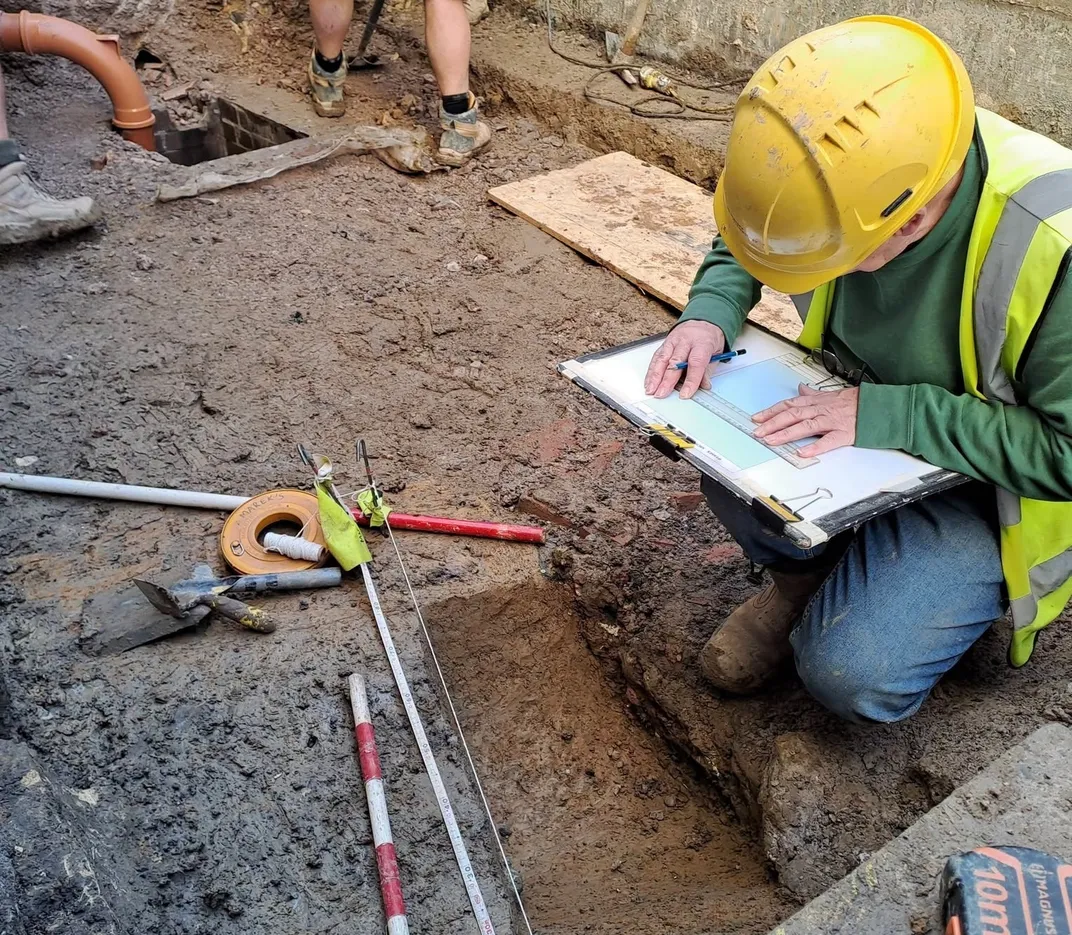
The discovery has emerged while the Assembly Rooms are shut to visitors for restoration work. That closure has opened a rare window for investigation below the floor of a landmark normally known for public gatherings rather than archaeology. Instead of viewing the project solely as work on a later historic interior, researchers have been able to examine ground that had preserved indications of Bath’s Roman past.
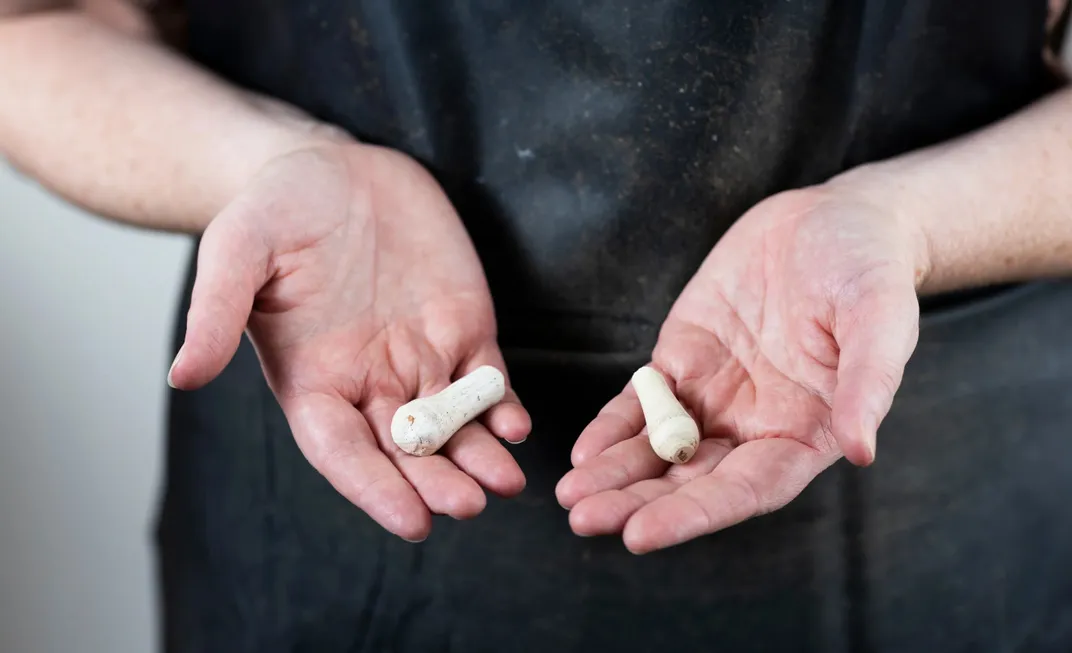
The range of finds is important because it combines small portable objects with features that remain in place. Coins, pottery, glass and tiles can point to everyday activity and the materials used around a settlement, while the ditches record the shape of activity in the ground itself. The helmet fragment adds a military-associated object to the group, although the discoveries described so far do not, on their own, settle every question about precisely how the area was used in the Roman era.
Above that buried evidence stands one of Bath’s best-known Georgian venues. The Assembly Rooms became a focal point for the city’s social calendar, drawing people to dances and musical performances. Its grand rooms were made for meeting, watching and being seen. The contrast between those later public events and the objects below them gives the renovation an unusually layered setting: a place remembered for elegant entertainment is now yielding remnants from a much older chapter.
Jane Austen is central to the building’s modern cultural appeal. In the early nineteenth century, someone attending a Bath ball might have encountered the novelist amid the city’s social scene. Admirers of Austen, often called Janeites, continue to visit the Assembly Rooms because of that association. The new archaeological work therefore broadens the meaning of a destination already familiar to literary visitors, connecting its Austen-era memory with material remains that had stayed unseen underground.
The excavation also illustrates why repairs and conservation projects can create opportunities for research. Work intended to renew a historic building can expose portions of a site that are otherwise inaccessible, allowing specialists to document what lies beneath before construction is completed. In this case, the renovation has not displaced the Assembly Rooms’ Georgian and literary importance; it has made room for a second line of inquiry, one concerned with the Roman traces below the later structure. It also requires the practical work of renovation and archaeological recording to proceed together, so that what is uncovered can be considered before the renewed building returns to use.
There is a necessary limit to what can be concluded from an early account of a find. A coin or roof tile can establish the presence of Roman-era material, and a ditch network can show that the ground was altered in the past, but such evidence needs careful recording and interpretation alongside its location and relationship to the other remains. The reported discoveries make the site more complex rather than providing a finished account. Further study will determine how fully the excavated material can clarify the sequence of activity beneath the rooms.
For now, the finds offer a reminder that Bath’s most recognizable cultural spaces can contain several histories at once. Visitors have long approached the Assembly Rooms through the lens of Georgian sociability and Austen’s world. When the building reopens after its renovation, that familiar story will sit alongside the newly revealed Roman evidence: ditches, building materials, domestic objects, currency and a fragment linked to military equipment, all recovered from ground beneath the former ballroom.
Source: Smithsonian Magazine
Related articles
Immerse Yourself in the Cosmos at Frank Lloyd Wright's Only Planetarium, Recently Restored to Its Former Glory in Florida
Completed in 1958, the domed building is located on the campus of Florida Southern College, home to 13 Wright-designed buildings, the world's largest single-site collection of the architect's work

Play Tractor online with friends — free
Real-time Sheng Ji / Tractor for 3–5 players, with complete bidding and trump rules across web, iOS and Android.
Play bidfive →
A Team of Astronomers Thinks They Have Identified the Exact Night Sky That Inspired Vincent van Gogh's 'Starry Night.' Not Everyone Is Convinced
Very few night skies seen from the south of France during the summer of 1889 would match the scene on van Gogh's canvas. A new study argues that it could have been July 22

'Pretty Boy' Floyd, One of the Most Notorious Outlaws of the Great Depression, Was Shot and Killed in an FBI Raid 92 Years Ago
Some Americans lauded the 30-year-old bank robber as a Robin Hood-esque folk hero. Others castigated him as a violent criminal whose misdeeds were emblematic of the troubled era

GTA 6 guides, updates and practical reference
Explore a Chinese GTA 6 guide library covering the release, map, characters, missions, vehicles and weapons.
Browse guides →
Create AI images with your own API key
aixipi runs on desktop/web, uses your own model API balance, and avoids subscription lock-in.
Try aixipi →