
Why Did Claude Monet Paint the Same Scenes Over and Over Again? The Impressionist Artist Was Obsessed With Capturing the Fleeting Nature of Time
A forthcoming Tate Modern exhibition will bring together more than 60 works Claude Monet made from the 1870s through the 1920s, placing renewed attention on a question that has long defined his reputation: why return to the same view so persistently? The selection is set to show that repetition was not a retreat from invention. For Monet, a familiar subject became a way to record conditions that never held still, especially the shifts in illumination and weather that could remake a landscape or a building within hours.
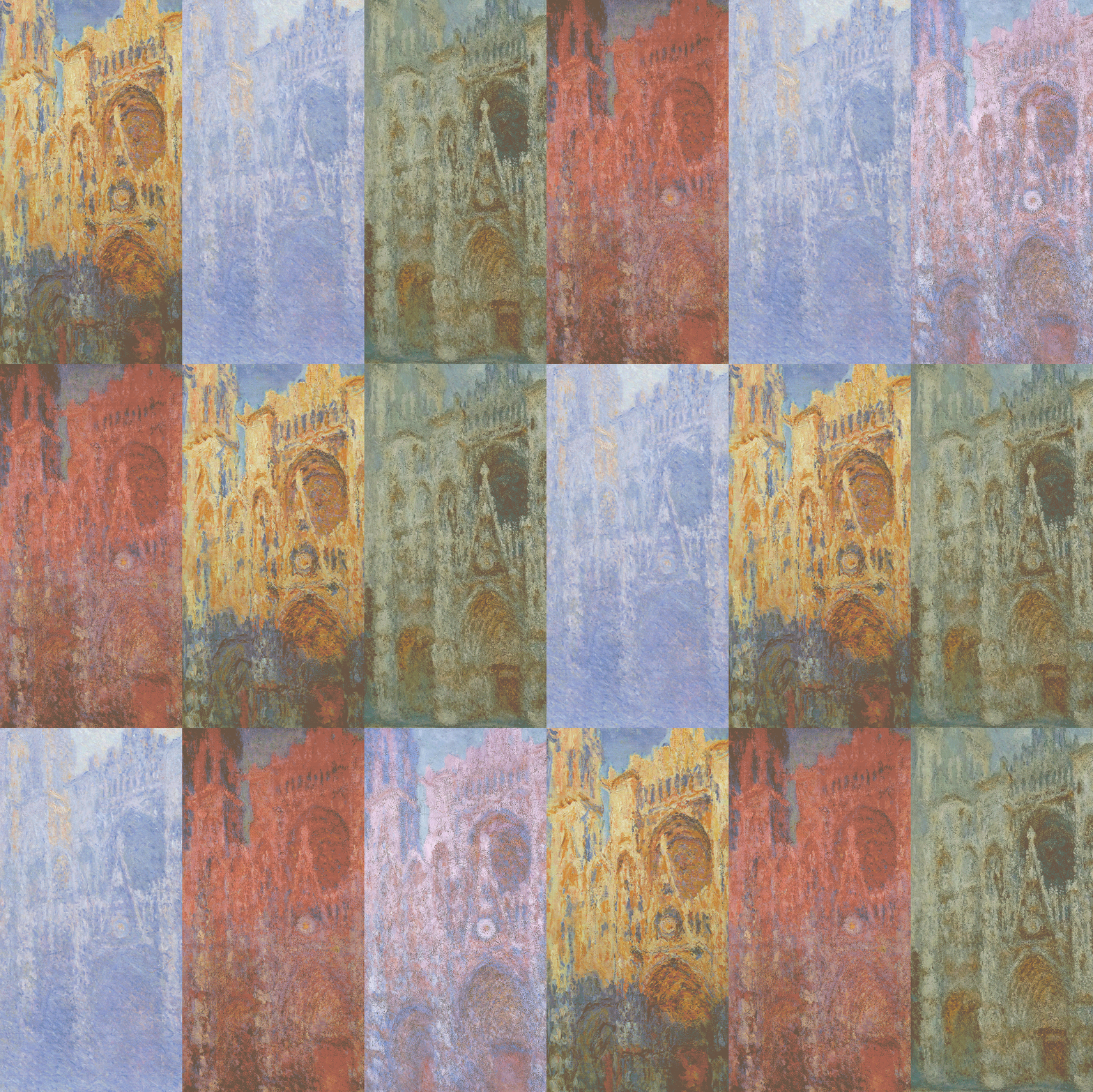
That idea is vividly illustrated by his paintings of Rouen Cathedral. During the 1890s, Monet made more than 30 versions of the French church, choosing a subject whose monumental stone front might seem resistant to change. Instead, he treated its facade as a surface transformed by its surroundings. Haze, cloud cover, the season and the hour could alter the colors visible to him, making the cathedral appear golden, rosy, violet or gray rather than permanently fixed in one recognizable tone.
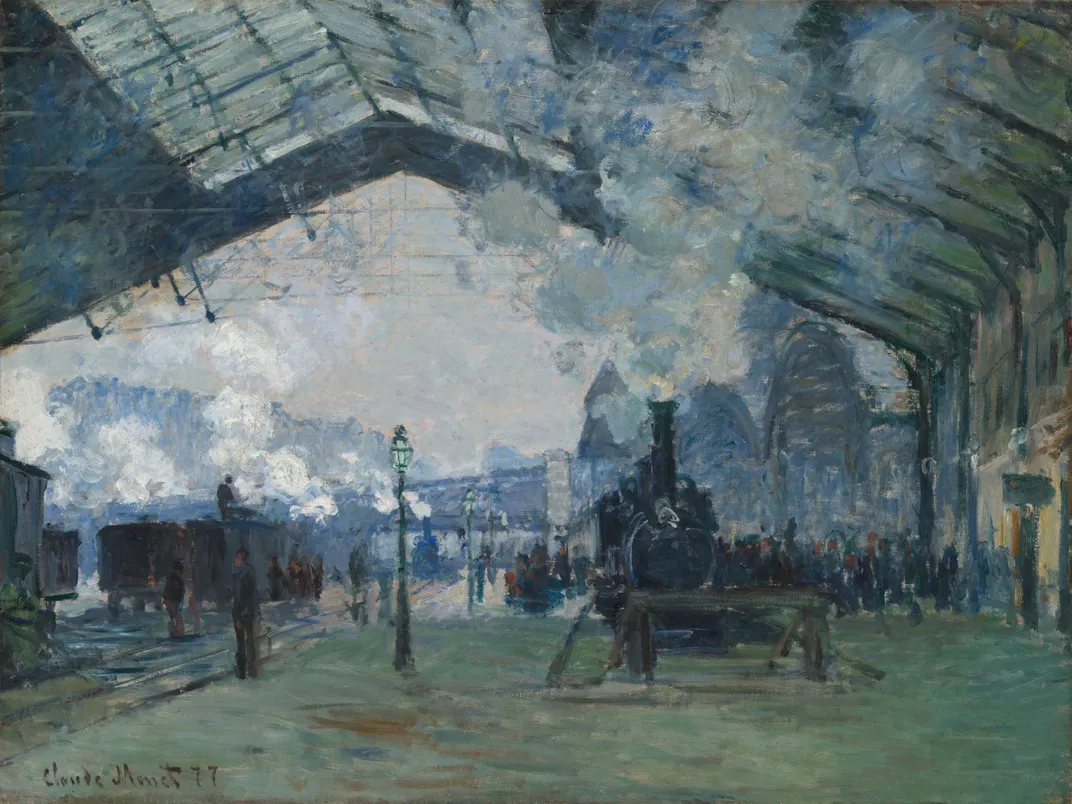
The undertaking began in the winter of 1892, when Monet arranged to use an apartment facing the cathedral so he could work directly from that vantage point. In a letter to Alice Hoschedé, his long-term partner, he described himself as absorbed in the effort, saying he thought only of his “Cathedrals.” The practical detail of renting a room opposite the church underscores the project’s purpose: this was a sustained observation of one site, not a series assembled from casual visits or memory.
Monet’s interest was not simply architectural. A cathedral is built to endure, yet the image reaching an observer changes with mist, sun and overcast skies. Morning fog produced one version; early afternoon, later afternoon and cloudy conditions produced others. The works turn a durable structure into evidence of passing time, because the painter’s subject was as much the atmosphere around the stone as the stone itself.
His own words made the principle explicit. “Everything changes,” Monet wrote, adding that even stone was subject to that transformation. The challenge, therefore, was to preserve fleeting effects rather than declare a final, definitive appearance for Rouen Cathedral. Each canvas could register a particular encounter between light, weather and facade. Seen together, the paintings suggest a sequence of moments rather than competing attempts to establish which rendering of the building was most accurate.
The series also exposes the limits of that ambition. Monet came back to Rouen the next winter to carry on the work, but progress did not arrive easily. Writing again to Hoschedé after nearly a week there, he complained that the cathedral was exceptionally difficult and said he had spent every day on the same two paintings without achieving the result he wanted. He nevertheless expected persistence and struggle to bring the work closer to his goal.
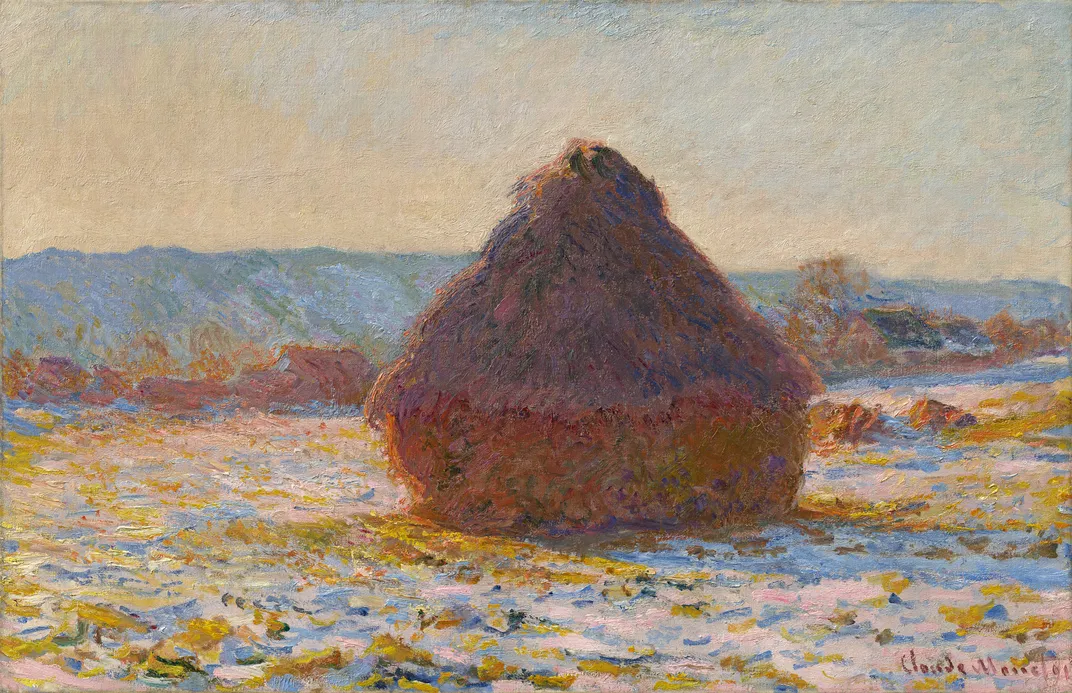
That frustration offers a useful counterpoint to the popular image of Impressionism as effortless speed. Monet was pursuing momentary effects, but the record in his letters describes concentration, revision and dissatisfaction. The changing scene did not automatically yield an easy picture; it created a moving target. A visitor viewing dozens of related works may see variation as the central fact, while Monet’s correspondence shows that producing those variations demanded prolonged attention and a willingness to return when the desired conditions remained elusive.
The Tate Modern presentation, spanning roughly five decades of the artist’s output, will extend that perspective beyond a single cathedral. By grouping works made between the 1870s and 1920s, the exhibition is expected to foreground Monet’s continuing concern with changeable light and weather. What to watch is how the display connects individual scenes to that longer practice: the repeated motif can be read not as sameness, but as a method for noticing how time, climate and daylight alter what appears to be stable.
For audiences, the Rouen paintings offer a clear entry point into that method. The church remains identifiable across the series, allowing the differences to become the story. A view that seems unchanged at first glance can become newly colored, obscured or illuminated as conditions move on. Monet’s repeated returns made that instability visible, and the forthcoming exhibition will invite viewers to consider how an artist turned observation of the temporary into a long-running body of work.
Source: Smithsonian Magazine
Related articles
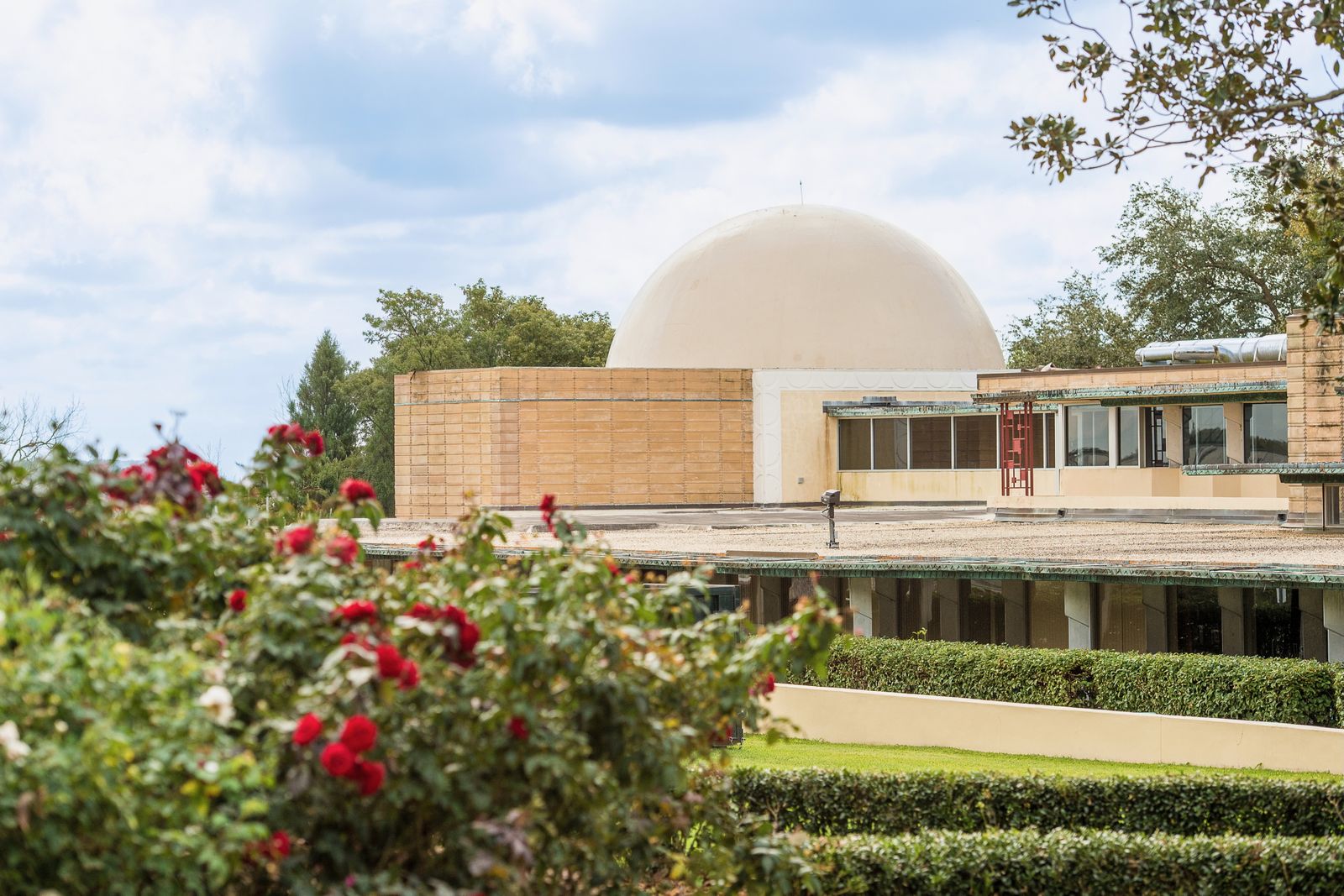
Immerse Yourself in the Cosmos at Frank Lloyd Wright's Only Planetarium, Recently Restored to Its Former Glory in Florida
Completed in 1958, the domed building is located on the campus of Florida Southern College, home to 13 Wright-designed buildings, the world's largest single-site collection of the architect's work

Play Tractor online with friends — free
Real-time Sheng Ji / Tractor for 3–5 players, with complete bidding and trump rules across web, iOS and Android.
Play bidfive →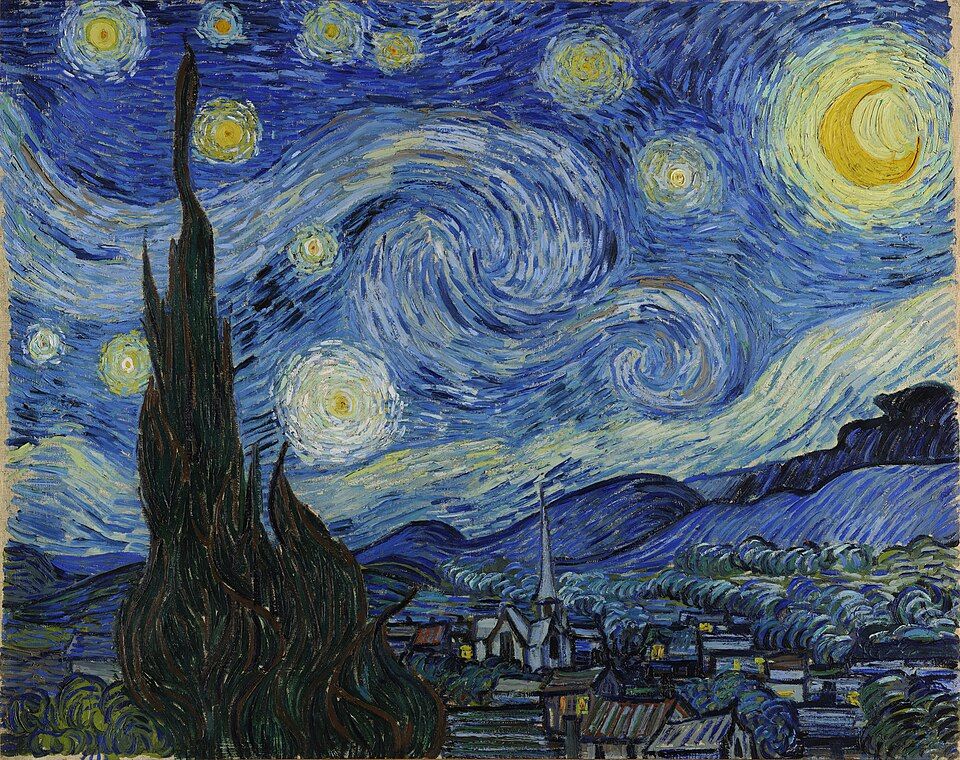
A Team of Astronomers Thinks They Have Identified the Exact Night Sky That Inspired Vincent van Gogh's 'Starry Night.' Not Everyone Is Convinced
Very few night skies seen from the south of France during the summer of 1889 would match the scene on van Gogh's canvas. A new study argues that it could have been July 22

'Pretty Boy' Floyd, One of the Most Notorious Outlaws of the Great Depression, Was Shot and Killed in an FBI Raid 92 Years Ago
Some Americans lauded the 30-year-old bank robber as a Robin Hood-esque folk hero. Others castigated him as a violent criminal whose misdeeds were emblematic of the troubled era

GTA 6 guides, updates and practical reference
Explore a Chinese GTA 6 guide library covering the release, map, characters, missions, vehicles and weapons.
Browse guides →
Create AI images with your own API key
aixipi runs on desktop/web, uses your own model API balance, and avoids subscription lock-in.
Try aixipi →