
Why Houthi gains in Yemen could push gas prices even higher

Fighting in Yemen is again raising concerns about energy costs after Houthi forces made a new push on the country’s Red Sea shoreline and claimed control of Mokha, a port city near the Bab al-Mandeb waterway. The development comes alongside Houthi attacks directed at oil installations in Saudi Arabia, creating a combination of military and supply-risk concerns that could add further pressure to gasoline prices.
The change on the ground marks a further breakdown of the uneasy pause in Yemen’s war. That fragile arrangement had held, with strain, for years, but it deteriorated sharply this week as the Houthis moved against Yemeni troops supported by Saudi Arabia. Their advance displaced those forces from an important section of the Red Sea coast, according to accounts of the fighting. The episode shows that the truce did not resolve the underlying contest for territory or prevent new confrontations among the combatants.

On Friday, the Houthis said they had taken Mokha. A Yemeni commander aligned against them gave a matching account to The Associated Press, indicating that the city had fallen under Houthi control. Mokha lies just north of Bab al-Mandeb, making the claim particularly significant because the reported advance is tied to a coastal area rather than an isolated inland position.
Neither the military claim nor the potential market effect alone settles the larger question of what comes next. Control of a city can change the immediate balance between Yemeni factions, while attacks on Saudi oil facilities introduce a separate source of uncertainty. Together, those developments give traders and consumers another reason to watch whether the conflict broadens, intensifies or disrupts energy-related activity.
The connection to prices is not presented as a certainty. The concern is that the Houthi coastal gains and strikes aimed at Saudi oil infrastructure may make an already unsettled energy outlook more difficult, potentially pushing fuel costs higher. Markets can react to the prospect of disruption as well as to confirmed damage, so the perceived risk may matter even before the full military picture is clear. How much any increase would reach drivers would depend on events still unfolding in Yemen and on the scale and persistence of the attacks.
The Houthis are backed by Iran, while the Yemeni forces pushed from the coastal stretch have Saudi support. That alignment places the latest battlefield movement within a wider regional rivalry, even as the immediate contest remains rooted in Yemen. The collapse of the long-running truce underscores how quickly a local shift in territory can carry implications beyond the country’s borders. It also leaves both regional sponsors facing decisions about their next response while the facts on the ground remain fluid.
Images from Sanaa illustrated the group’s continued mobilization. On Thursday, Sept. 10, a Houthi fighter was seen carrying a rocket-propelled grenade launcher during a march connected to a recruitment and mobilization campaign in Yemen’s capital. The display came as the group was extending pressure elsewhere, including along the coast and against Saudi oil sites.
For Saudi Arabia and its Yemeni partners, the loss reported at Mokha would represent a setback on a strategically sensitive part of the country. For the Houthis, the announcement is both a territorial claim and a signal that they can act beyond a static front line. But the rival commander’s confirmation of the takeover does not answer whether either side can consolidate its position or whether fighting will produce a new counteroffensive.
The next indicators will be whether control of Mokha is maintained, whether combat spreads along the coast, and whether attacks targeting Saudi oil facilities continue. Those answers will matter to Yemenis living through another rupture in the truce, to regional governments weighing the security risk, and to consumers who may face higher prices if the conflict deepens the pressure on fuel markets.
Source: NPR World
Related articles
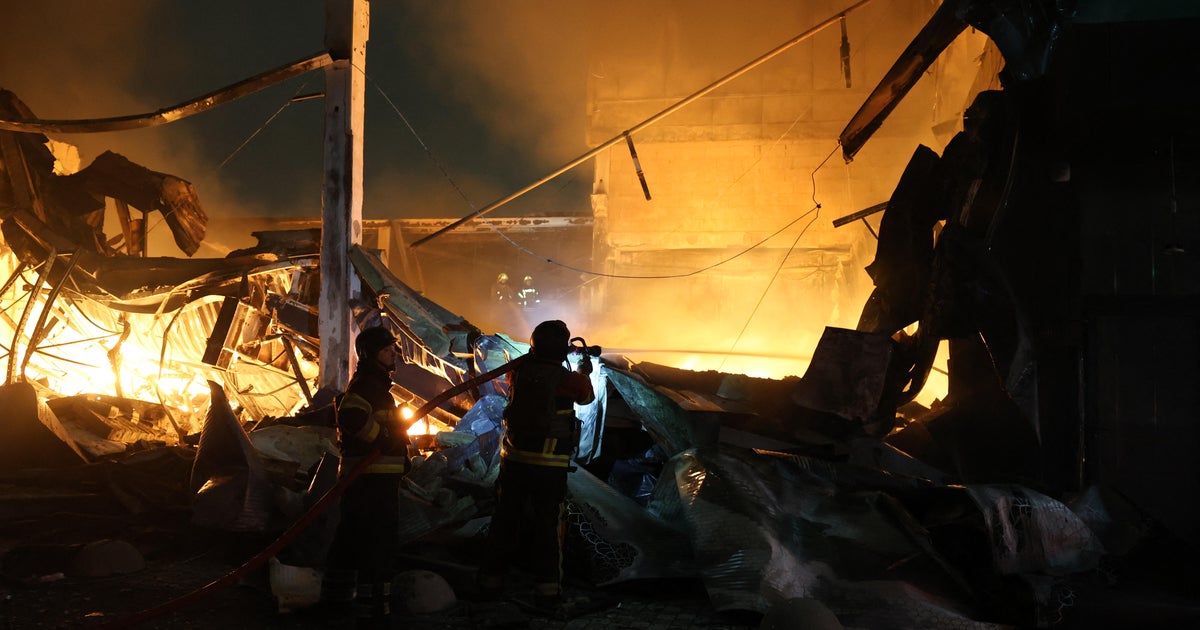
Zelenskyy accuses Russia of using cluster warheads in deadly strikes
Russia launched the strikes on Ukraine less than a day after negotiations to end the war, which also involved the United States, ended in St. Petersburg.

Create AI images with your own API key
aixipi runs on desktop/web, uses your own model API balance, and avoids subscription lock-in.
Try aixipi →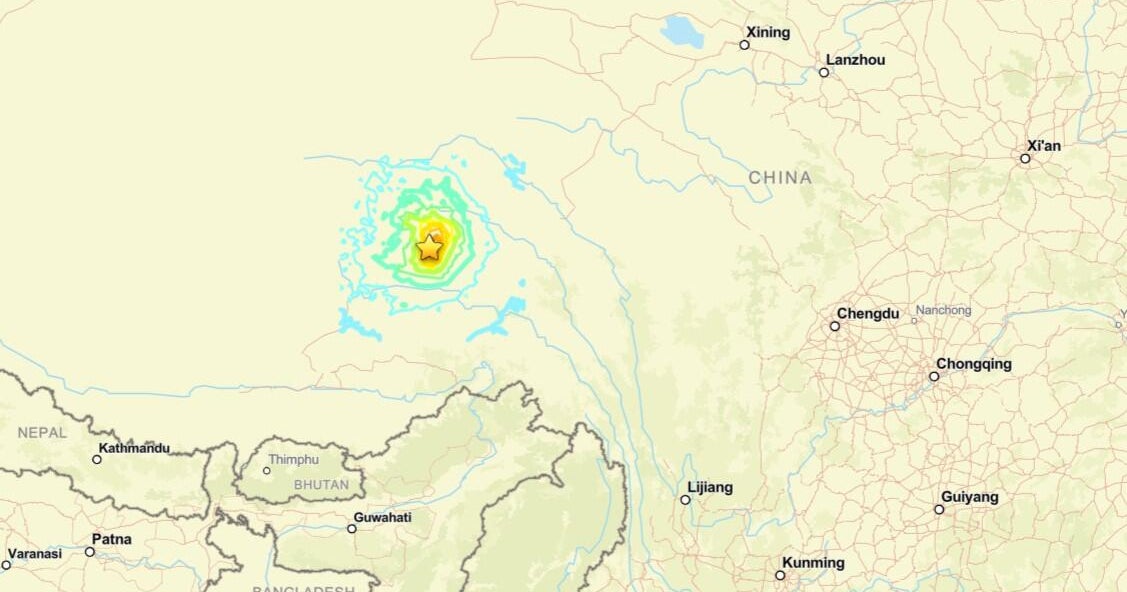
At least 16 dead when powerful 7.0 magnitude earthquake strikes Tibet
It was the biggest earthquake in the region in the last five years, China

See how Big Tech is transforming Spain's landscape
A drought-stricken region of northeast Spain has become a focus for American companies searching for locations to place their data centers.