
World’s Largest Collection of Serial Killer ‘Murderabilia,’ From John Wayne Gacy to H.H. Holmes, Opens in Chicago
A new Chicago exhibition is bringing together an unusually large archive of objects associated with serial murder, placing material linked to figures including John Wayne Gacy and H.H. Holmes before the public. Serial Killer: The Exhibition has opened in a 21,000-square-foot venue, where more than 2,000 pieces trace cases connected to about 150 serial killers from many parts of the world.
The scale of the show is central to its premise. Rather than focusing on one case or one country, the exhibition assembles possessions, case-related evidence, original art and other objects commonly described as murderabilia. The materials place the familiar mythology of true crime alongside the physical remnants left by investigations and by the people at their center.
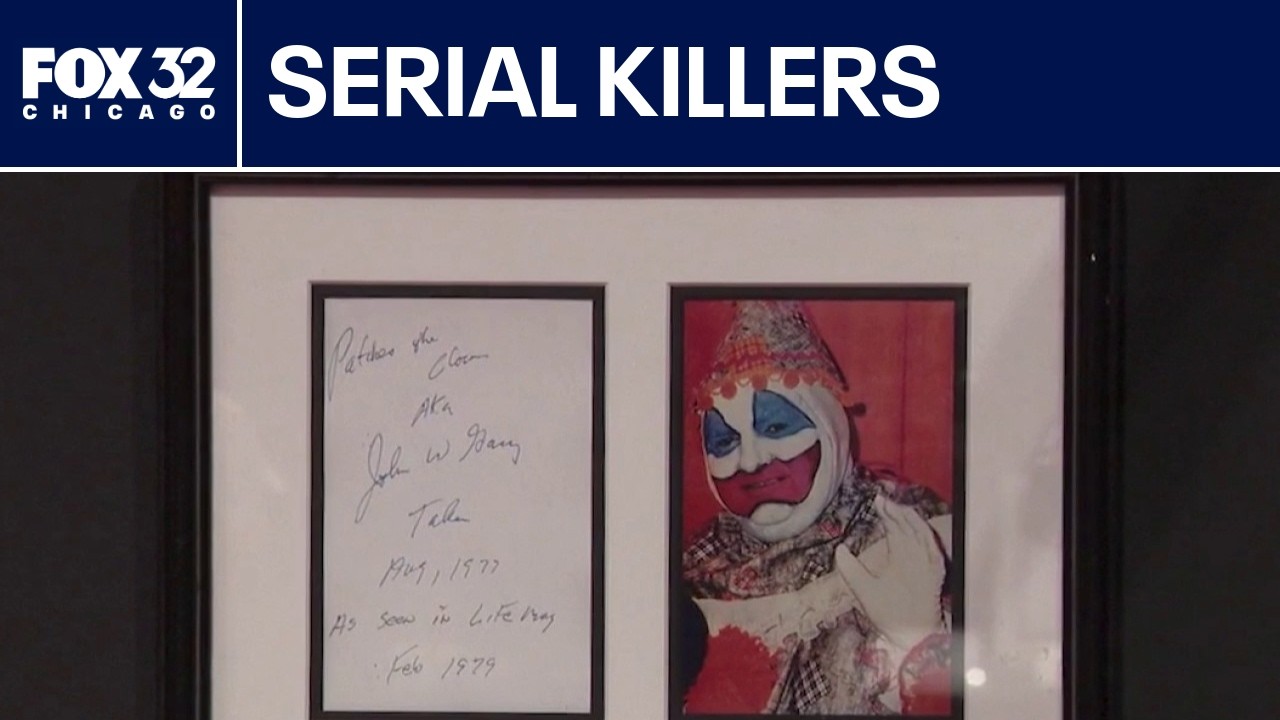
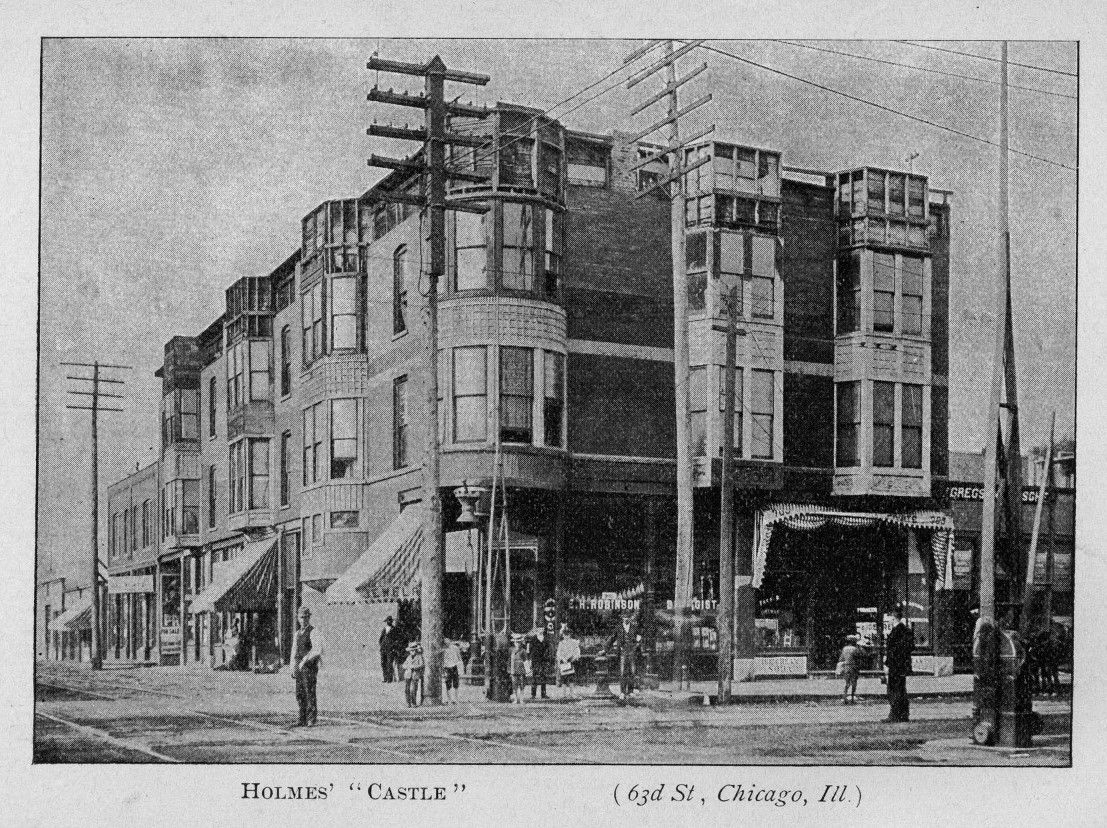
Gacy, often remembered through the “Killer Clown” label, is among the best-known names represented. Holmes provides a historical Chicago connection. Widely described as the first serial killer in the United States, Holmes operated the building later called the Murder Castle while the city hosted the 1893 World’s Fair. That setting gives the new exhibition a local historical frame even as its collection reaches far beyond Chicago.
The objects on display span dozens of countries and include both items used as evidence and belongings tied to the killers. By combining personal effects with investigative material, the exhibition presents crime not only as a subject of books, films and podcasts, but also as a record shaped by police work, court cases and surviving physical artifacts. Its approach puts recognizable names beside lesser-known cases from abroad.
John Borowski, a filmmaker and author who studies the histories of serial killers and serves as an exhibition consultant, said the collection’s authenticity distinguishes it. “These are all original,” he told Fox 32 Chicago. He also said he knew of no other show that had gathered artifacts connected with so many serial killers in one location.
That claim reflects a wider shift in how true-crime stories are consumed. The genre moves between historical research, entertainment and public memory, while public interest can make notorious offenders more recognizable than the victims and investigators connected to a case. An exhibition built around artifacts must therefore navigate the tension between documentation and spectacle, especially when the objects are presented in a setting designed for visitors.
Supporters of displays like this may regard original evidence and personal artifacts as a way to challenge simplified or fictionalized accounts. Other viewers may be uneasy about a commercial-style presentation of objects linked to extreme violence, or about the attention devoted to perpetrators. The exhibition’s emphasis on real materials does not erase that divide; instead, it makes the question of how such history should be shown more immediate.
For Chicago, the Holmes connection adds another layer. The city’s 1893 fair is often associated with technological ambition and civic display, while Holmes’ crimes became a darker part of the period’s historical afterlife. Positioning that story near a vast international collection may invite visitors to compare a famous local legend with the very different cases represented elsewhere in the exhibition.
What visitors take from the show may depend on whether they see it primarily as an archive, a warning about the consequences of violence, or a challenging entry in the true-crime economy. The next measure of its impact will be how clearly the individual cases are distinguished. With material related to roughly 150 killers in one venue, each object comes from a separate history and requires context. The exhibition’s breadth creates an opportunity for that context while making careful presentation especially important.
Source: Smithsonian Magazine
Related articles
Immerse Yourself in the Cosmos at Frank Lloyd Wright's Only Planetarium, Recently Restored to Its Former Glory in Florida
Completed in 1958, the domed building is located on the campus of Florida Southern College, home to 13 Wright-designed buildings, the world's largest single-site collection of the architect's work

Play Tractor online with friends — free
Real-time Sheng Ji / Tractor for 3–5 players, with complete bidding and trump rules across web, iOS and Android.
Play bidfive →
A Team of Astronomers Thinks They Have Identified the Exact Night Sky That Inspired Vincent van Gogh's 'Starry Night.' Not Everyone Is Convinced
Very few night skies seen from the south of France during the summer of 1889 would match the scene on van Gogh's canvas. A new study argues that it could have been July 22

'Pretty Boy' Floyd, One of the Most Notorious Outlaws of the Great Depression, Was Shot and Killed in an FBI Raid 92 Years Ago
Some Americans lauded the 30-year-old bank robber as a Robin Hood-esque folk hero. Others castigated him as a violent criminal whose misdeeds were emblematic of the troubled era

GTA 6 guides, updates and practical reference
Explore a Chinese GTA 6 guide library covering the release, map, characters, missions, vehicles and weapons.
Browse guides →
Create AI images with your own API key
aixipi runs on desktop/web, uses your own model API balance, and avoids subscription lock-in.
Try aixipi →