
Zelenskyy claps back after Trump calls for new Ukrainian president
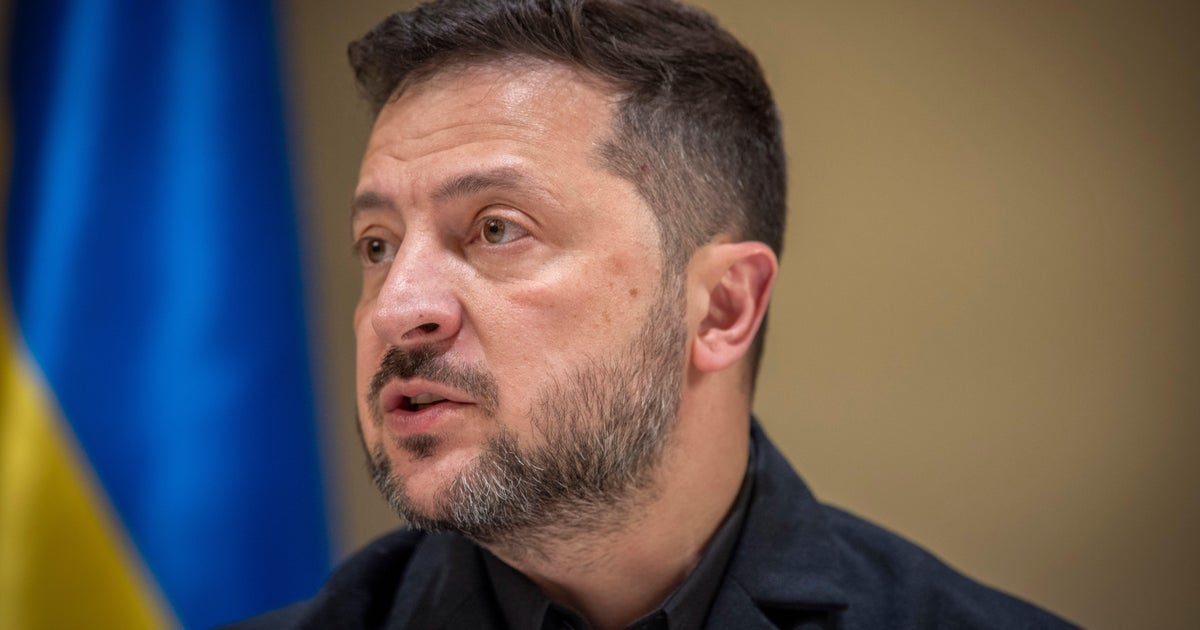
Ukrainian President Volodymyr Zelenskyy answered criticism from President Trump by placing responsibility for the war squarely on Russia and signaling that Ukraine intends to keep targeting Russian oil refineries unless Moscow changes course. The response followed Trump’s call for a different Ukrainian leader and his comments connecting Zelenskyy to elevated diesel prices. The exchange brought a dispute over wartime leadership and energy supplies into the public view at a moment when attacks on infrastructure remain central to the conflict.
Zelenskyy’s message was direct: Ukraine’s position is that the country did not cause the war and that Russia is accountable for it. His remarks rejected the suggestion that a change at the top of Ukraine’s government would address the underlying conflict. Instead, he framed the issue around Russia’s actions and the continuing damage to Ukraine’s energy system. The president’s response also made clear that Kyiv sees military pressure on Russian fuel facilities as tied to the protection of its own vital infrastructure.

In a post on X, Zelenskyy offered a condition for ending the refinery strikes. Ukraine, he said, would be prepared to halt such operations if Russia stopped attacks on Ukrainian energy infrastructure. The proposal presented the two sets of strikes as connected rather than separate issues. It also left the next move with Moscow, from Kyiv’s perspective: a halt in Russian attacks on the energy system would be met by a halt in Ukrainian attacks on refineries.
The statement focused attention on a difficult feature of the war: energy sites can matter both to civilian life and to a country’s ability to sustain a conflict. For Ukraine, its energy infrastructure is a target whose damage can disrupt ordinary services as well as strain the country during wartime. For Russia, oil refineries are part of a fuel network that Ukraine has sought to hit. Zelenskyy’s formulation linked these pressures and argued that restraint by one side should be matched by restraint from the other.
Trump’s intervention added a political dimension to that military argument. By suggesting Zelenskyy should be replaced, Trump challenged the Ukrainian president’s leadership. By associating him with diesel prices, Trump also cast the conflict in terms of costs felt beyond Ukraine’s borders. Zelenskyy did not accept either premise in his response. His answer returned to a broader contention: the cause of the war, in his view, is Russia’s decision and conduct, not Ukraine’s leadership or its response to attacks.
The disagreement illustrates how debates about the war can shift quickly between the battlefield, domestic politics and household fuel costs. Trump’s comments addressed leadership and diesel prices, while Zelenskyy replied with a condition centered on strikes against energy assets. They were therefore speaking about overlapping but different consequences of the same conflict. The exchange did not indicate that either side had reached a shared approach to the refinery attacks or to the question of how to reduce attacks on energy infrastructure.
There is also an important limit to Zelenskyy’s proposal. It was not described as an unconditional end to Ukrainian strikes on refineries. It depended on Russia ceasing attacks on Ukrainian energy facilities. That distinction matters because it defines the offer as reciprocal: Ukraine would change its operations only in response to a corresponding Russian change. No Russian response to the condition was included in the account, leaving the proposal as a public position rather than an announced agreement.
For Ukraine, the exchange serves as a defense of both its wartime strategy and its political leadership. Zelenskyy’s comments combined a rebuttal to Trump with a stated rationale for continued refinery strikes. For Trump, the criticism underscored his willingness to question the Ukrainian president and to link the war to fuel prices. Neither position, as presented, resolved the immediate dispute. Instead, the comments set out competing explanations of responsibility and competing views of what should change first.
What happens next will depend on whether attacks on Ukraine’s energy system continue and whether Russia responds to Kyiv’s stated condition. If Russia were to stop those strikes, Zelenskyy’s post says Ukraine would be ready to end its refinery operations. If the attacks persist, his message indicates that Ukraine expects to continue them. The public clash with Trump may also keep attention on questions of Ukrainian leadership, energy security and the economic effects of a war whose consequences extend beyond the front lines.
Source: CBS World
Related articles
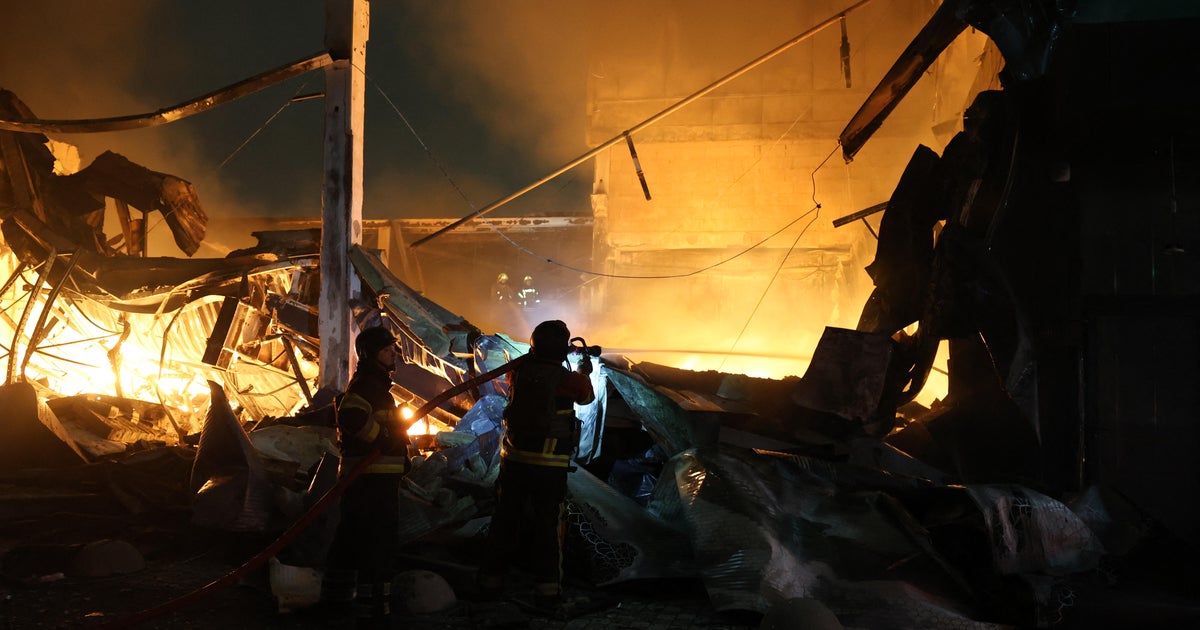
Zelenskyy accuses Russia of using cluster warheads in deadly strikes
Russia launched the strikes on Ukraine less than a day after negotiations to end the war, which also involved the United States, ended in St. Petersburg.

Create AI images with your own API key
aixipi runs on desktop/web, uses your own model API balance, and avoids subscription lock-in.
Try aixipi →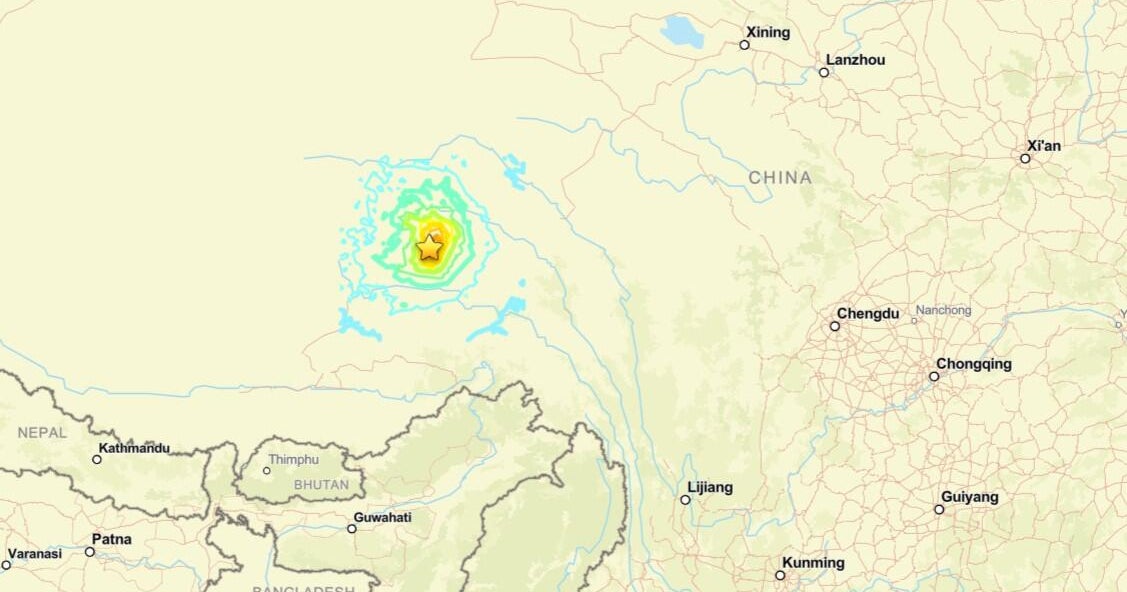
At least 16 dead when powerful 7.0 magnitude earthquake strikes Tibet
It was the biggest earthquake in the region in the last five years, China

See how Big Tech is transforming Spain's landscape
A drought-stricken region of northeast Spain has become a focus for American companies searching for locations to place their data centers.