
Zelenskyy says it's Putin who wants an endless war, not him
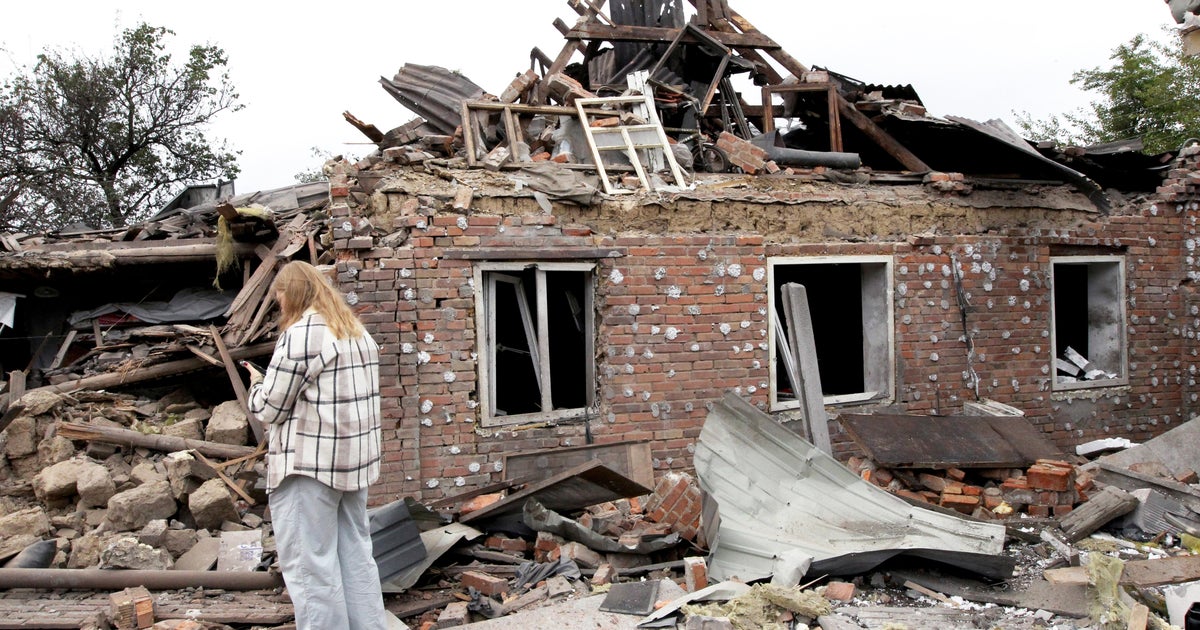
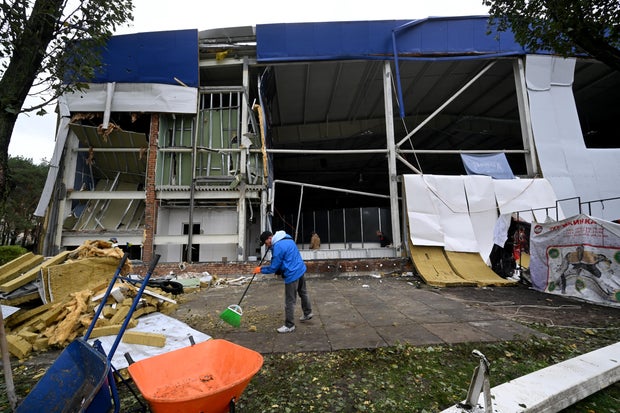
Ukrainian President Volodymyr Zelenskyy said Russia launched missiles and drones against his country overnight, and he used the attack to challenge a growing argument in Washington over who is blocking an end to the war. His message was directed in part at President Donald Trump, who had said over the weekend that Zelenskyy did not want the conflict to stop. Zelenskyy’s response was that the Kremlin, not Kyiv, has an interest in prolonging the fighting.
In a statement issued Monday, Zelenskyy said Ukraine had once again faced an aerial assault without advance warning from its partners. The reference underscored Ukraine’s concern that it is receiving less intelligence support at a moment when Russian attacks remain a central threat. For Ukrainians, warning information can shape how quickly authorities and residents respond when missiles or drones are approaching.
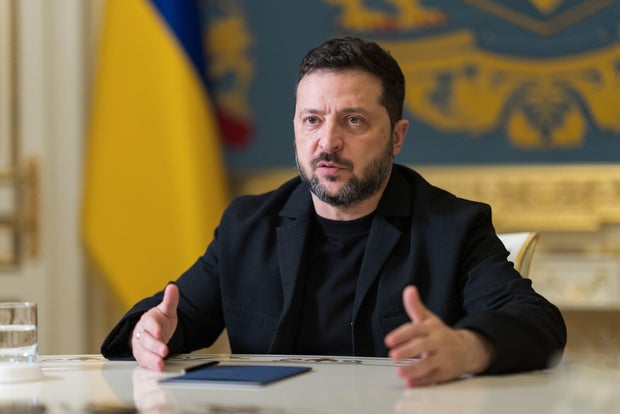
The comments followed a sharp change in the tone of U.S.-Ukraine relations. Zelenskyy has said the United States is restricting intelligence shared with Ukraine and suggested that other forms of assistance may also be affected. The dispute has unfolded as Trump publicly presses for an end to the war while questioning whether Ukraine’s leader is committed to reaching one.
Trump’s approach toward Moscow has also shifted the political backdrop. His administration has eased sanctions in a way that permits Russian energy sales, linking the move to an effort to reduce U.S. gasoline prices. That policy has prompted concern in Kyiv, where officials see Western economic pressure as one of the few external forces capable of changing Moscow’s calculations.
Zelenskyy argues that reduced pressure and reduced support can have consequences beyond any one overnight strike. In his view, such steps could encourage Russia to keep fighting and to increase the scale of its operations. The argument reflects Ukraine’s broader position that negotiations are less likely to succeed if Moscow believes it can gain ground, absorb fewer costs, or wait for international backing for Kyiv to weaken.
The war has already continued for about four and a half years since Russia began its full-scale invasion. That duration has made questions of military supply, economic sanctions and intelligence-sharing part of the conflict’s daily strategic balance, rather than separate policy debates. Zelenskyy’s latest remarks placed the U.S. intelligence issue directly alongside the immediate reality of strikes on Ukrainian territory.
Trump’s criticism presents a different view of the diplomatic problem: that pressure on Kyiv may be needed to bring the war to a close. Zelenskyy’s account points in the opposite direction, contending that pressure on Ukraine without comparable constraints on Russia risks rewarding the side that launched the invasion. Neither position resolves the basic challenge of how a ceasefire or settlement could be secured and sustained.
The disagreement is significant because intelligence and other outside assistance affect Ukraine’s ability to respond to attacks, while sanctions policy influences the wider economic environment around Russia’s war effort. A decision in Washington intended to address domestic fuel costs can therefore carry implications far beyond the U.S. energy market. Kyiv fears those implications may be read in Moscow as a sign that its campaign can continue without greater restraint.
What happens next will depend on whether the United States changes the level or terms of its support, whether Russia maintains or expands its attacks, and whether diplomatic contacts produce a path that both sides regard as workable. At issue is not only the amount of backing, but also the message sent by the conditions attached to it. Kyiv says uncertainty over intelligence or sanctions can shape Russian expectations, while Washington is weighing its push to end the conflict against domestic energy concerns. For now, the overnight strikes and the dispute over advance warning have made the policy gap visible.
Source: CBS World
Related articles
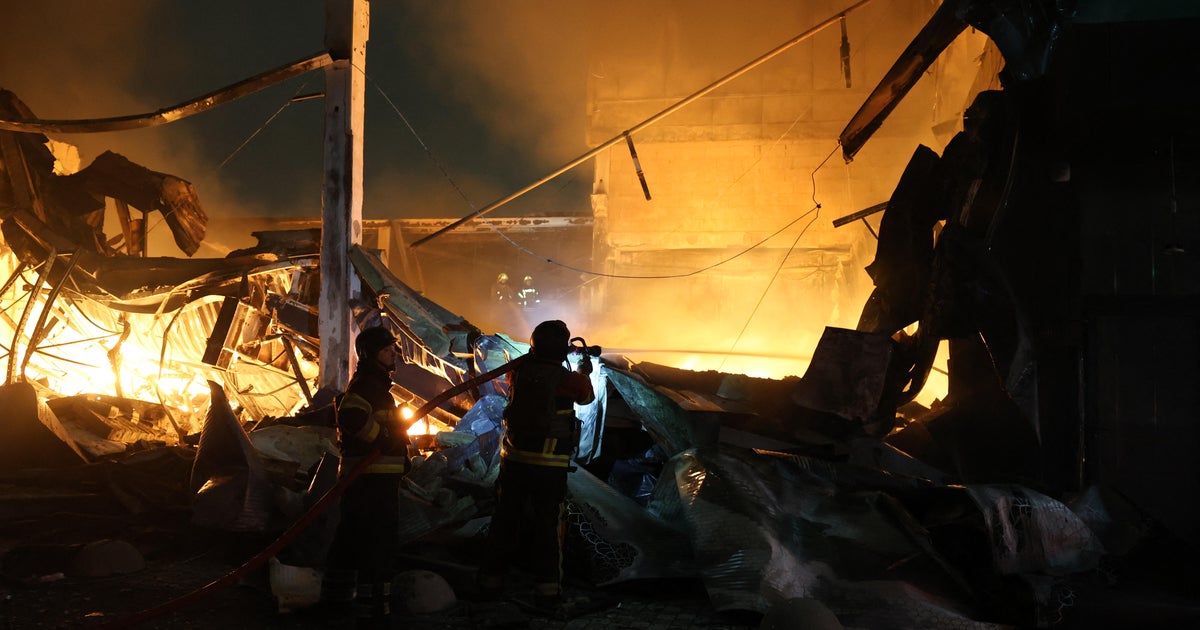
Zelenskyy accuses Russia of using cluster warheads in deadly strikes
Russia launched the strikes on Ukraine less than a day after negotiations to end the war, which also involved the United States, ended in St. Petersburg.

Create AI images with your own API key
aixipi runs on desktop/web, uses your own model API balance, and avoids subscription lock-in.
Try aixipi →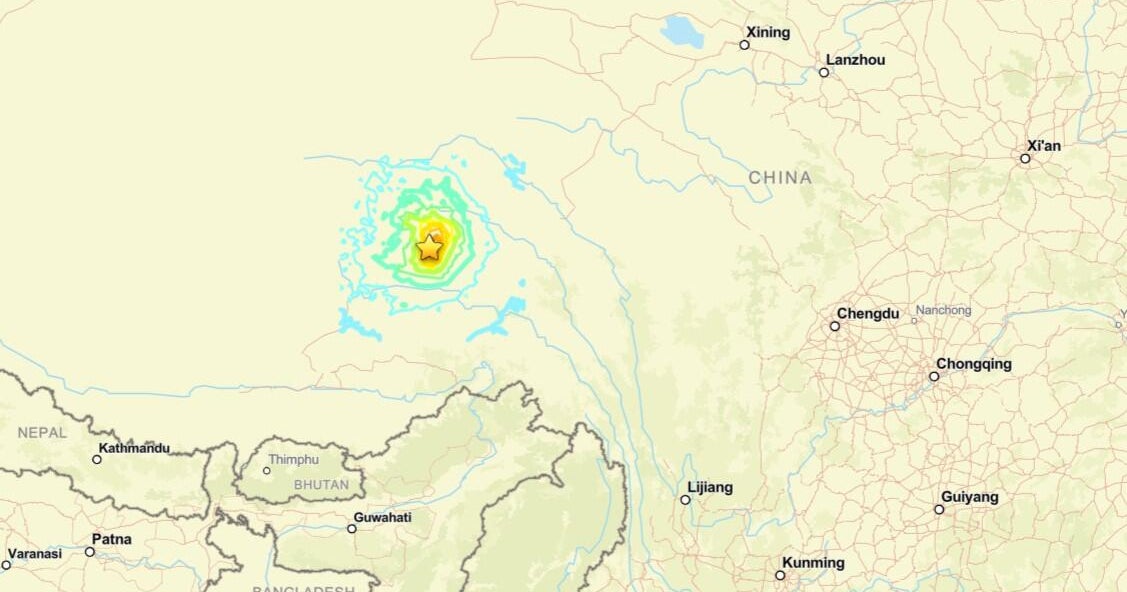
At least 16 dead when powerful 7.0 magnitude earthquake strikes Tibet
It was the biggest earthquake in the region in the last five years, China

See how Big Tech is transforming Spain's landscape
A drought-stricken region of northeast Spain has become a focus for American companies searching for locations to place their data centers.