
Zelenskyy says Russia isn't honoring Trump's energy ceasefire
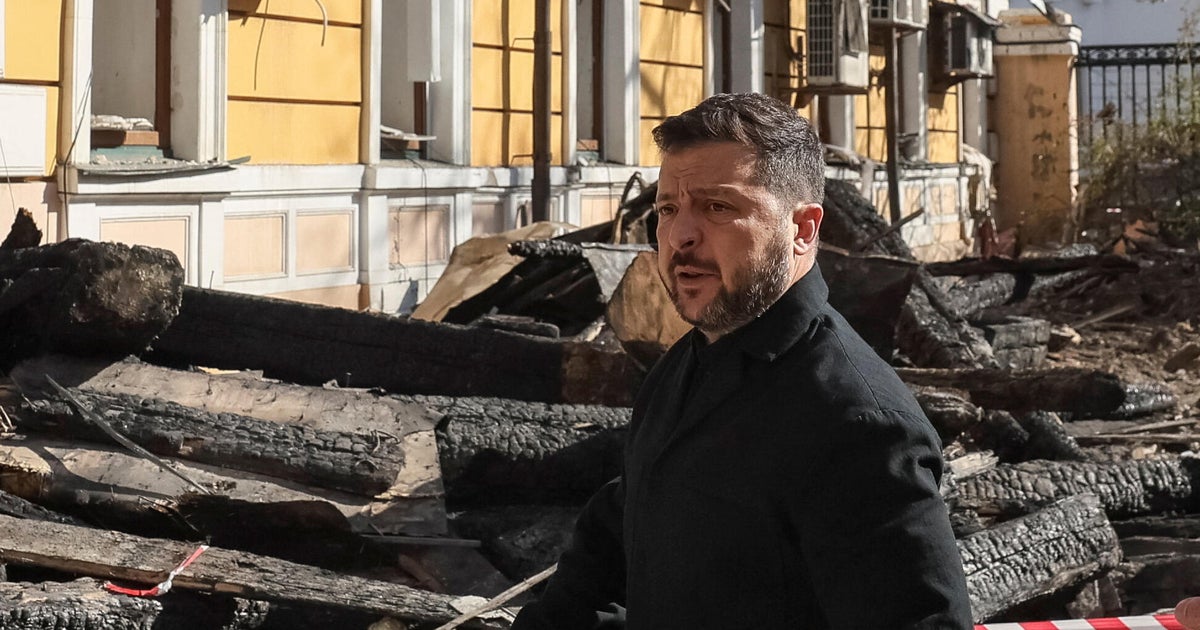
Ukrainian President Volodymyr Zelenskyy said Monday that Russia had not shown it was following an energy ceasefire announced by President Donald Trump a day earlier, raising immediate doubts about whether the proposed pause could protect Ukraine’s power system. Zelenskyy said the test of the arrangement was not the announcement itself but whether attacks on facilities that supply electricity and other essential services would actually stop.
According to the Ukrainian leader, the first warning signs came within hours. He said a power station in eastern Ukraine was struck after Trump made the ceasefire announcement. By Monday afternoon, Zelenskyy said, six more energy sites around the country had been attacked. The account described a pattern of strikes continuing while Kyiv was being asked to treat the energy truce as in effect.
In a post on X, Zelenskyy said Ukraine was prepared to uphold the energy-related pause put forward by the U.S. president. He argued that Moscow must make an equivalent commitment in practice, not merely leave the proposal unanswered. “No indication” of Russian adherence had emerged, he wrote, framing the issue as one of observable conduct rather than diplomatic language.
The claims underscored how difficult it can be to turn a stated halt in hostilities into a functioning ceasefire. An agreement focused on energy targets is narrower than a complete end to fighting, but it still depends on clear definitions, reliable communication and a way to determine what happened after every reported strike. Without those elements, each side can accuse the other of breaking an arrangement before its terms are fully established.
For Ukraine, attacks on energy installations carry consequences beyond the immediate damage at a site. Power infrastructure supports homes, businesses, hospitals, transport and public services, so disruption can spread quickly through daily life. The timing of attacks also matters: even a limited pause can be judged by whether people and institutions see a sustained reduction in the threat to the systems they rely on.
Zelenskyy’s statement placed Kyiv on record as willing to honor the proposed restriction while insisting that Russia face the same standard. His language did not claim the ceasefire had produced a mutual halt; instead, it portrayed Ukraine as ready to participate if Russia took corresponding action. That distinction could become central to any effort by Washington or other parties to assess whether the initiative has moved beyond an announcement.
Russia’s position on Zelenskyy’s allegations was not included in the information provided, and the reported strikes cannot be assessed here independently. That leaves a significant gap between the ceasefire described by Trump and the competing picture emerging from Kyiv. In conflicts involving long-range attacks, establishing responsibility, identifying the target and measuring compliance can take time, particularly when accounts are issued during an active confrontation.
The next question is whether the proposal develops into a verifiable, reciprocal pause or becomes another disputed point in the wider war. Officials will be watching for further attacks on energy facilities, any public clarification of the ceasefire’s scope, and signs that both sides are using the same understanding of what is prohibited. A continued sequence of reported strikes would make it harder to present the initiative as a meaningful safeguard.
For now, Zelenskyy’s message signals that Ukraine does not consider Russia’s conduct consistent with the energy ceasefire Trump announced. The dispute illustrates the distance between a political declaration and conditions on the ground. Whether the arrangement can reduce danger to civilian infrastructure will depend on actions that can be tracked over time, rather than on the initial announcement alone. It will also depend on whether allegations are addressed with enough detail to separate claimed breaches from other military activity. Until there is a shared account of the terms and evidence of compliance, every new accusation is likely to deepen skepticism about the arrangement and limit its immediate protective value for civilians.
Source: CBS World
Related articles
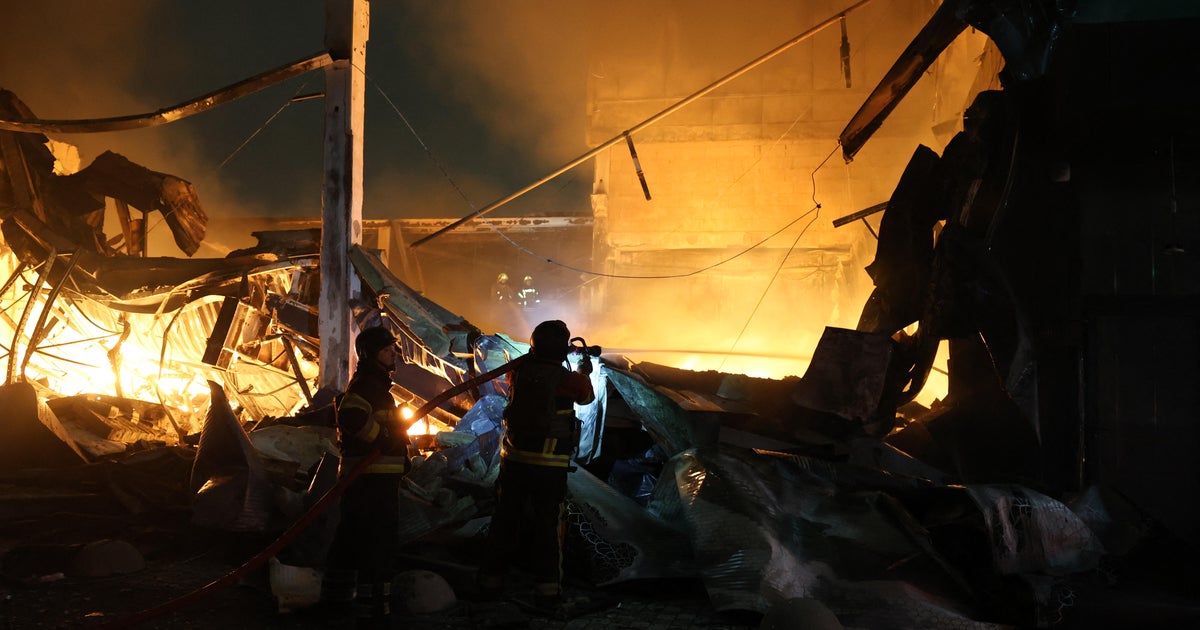
Zelenskyy accuses Russia of using cluster warheads in deadly strikes
Russia launched the strikes on Ukraine less than a day after negotiations to end the war, which also involved the United States, ended in St. Petersburg.

Create AI images with your own API key
aixipi runs on desktop/web, uses your own model API balance, and avoids subscription lock-in.
Try aixipi →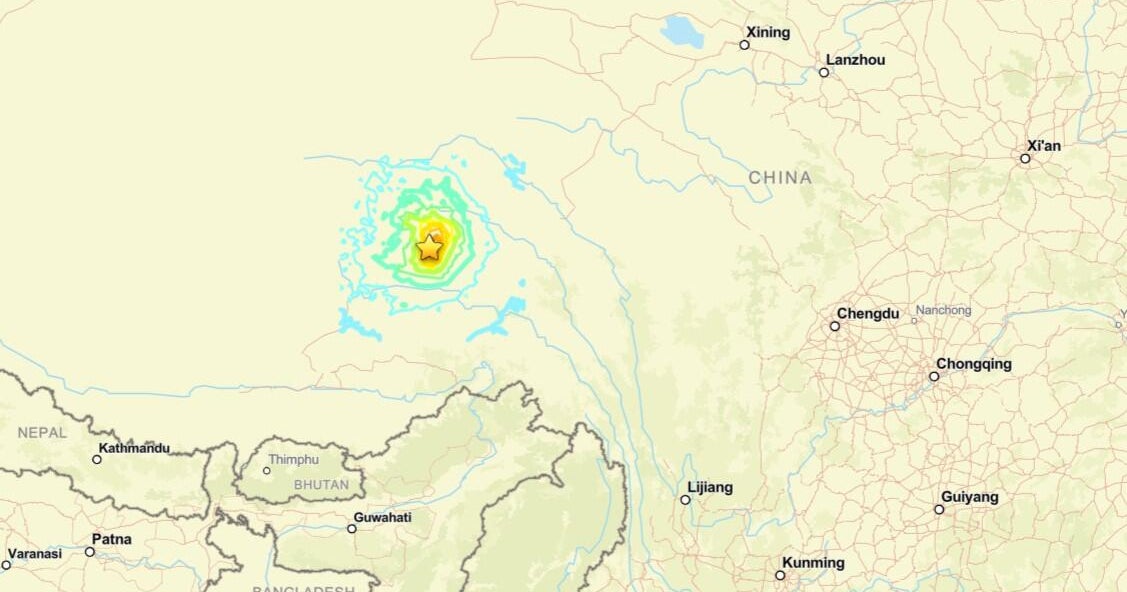
At least 16 dead when powerful 7.0 magnitude earthquake strikes Tibet
It was the biggest earthquake in the region in the last five years, China

See how Big Tech is transforming Spain's landscape
A drought-stricken region of northeast Spain has become a focus for American companies searching for locations to place their data centers.